
Pants for Lipedema: Fit, Fabric, and Flattering Styles
Key Takeaways
- Tip: Seek out loose cuts, wide legs, and adjustable waistbands to offset your generous hips and thighs while fitting your smaller waist. Experiment with styles such as wide trousers, harem pants, and maxi dresses to discover flattering everyday and work wear options.
- Pick breathable stretch fabrics like cotton blends, bamboo, or viscose. Look for flat seams and soft linings to minimize irritation and enhance comfort for sensitive legs.
- With compression wear under flowy pants or choose jeans or leggings built for compression therapy and compression that is snug and doesn’t roll or bunch.
- Take precise hip, thigh, and waist measurements and check each brand’s size guide prior to purchase. Note favorite fits and track changes over time.
- Think modifications or made-to-measure pieces to customize waist, hips, and length for an individualized fit. Consider tiny labels or tailors familiar with lipedema-friendly tweaks.
- Focus on comfort and function over trends. Try out color, pattern, and layering to craft flattering shapes. Connect with community groups for brand recommendations and advice.
How to find pants that fit lipedema legs – shop brands with stretch and extra space in hips and thighs and ‘diaper cut’ waist.
Lipedema results in disproportionate fat accumulation in legs and usually requires stretch fabrics, elevated waistlines and reinforced seams. Many brands these days have adaptive cuts, wide calf openings, and elastic panels.
This guide walks through practical options, fit tips, and shopping signals to help find pants that strike an ideal balance between comfort, support, and everyday style.
The Lipedema Fit
Finding pants for lipedema legs that fit is a delicate balance of support, comfort, and shape. Many of us with lipedema have a hard time finding clothes that fit hips and thighs without gaping at the waist. Things that feel fine in the morning may constrict and cause points of pressure by the afternoon, so your choices should accommodate shifts.
Concentrate on pieces that fit generous hips and thighs and a smaller waist, with no constricting seams, and create a closet with pieces for everyday, work, and workouts.
Proportions
Pick pants with a loose fit or wide leg to even out hips and thighs with a slim waist. Wide-leg trousers, culottes, and straight-cut work pants offer a crisp line that doesn’t pull across the thigh. Harem pants and wide palazzo cuts flow and don’t cling, and can be balanced with fitted or cropped tops for a clean silhouette.
Brands offering extended sizes and more generous cuts include Universal Standard, Eileen Fisher, Good American, Torrid, and Boden. Smaller boutique and adaptive labels to consider include Izzy + Liv, Mimi Holliday adaptive lines, and local specialty makers.
Maxi dresses and wide skirts provide a vertical line that redirects attention away from the upper thigh region. A-line shapes maintain proportion. Avoid skinny jeans, tapered cuffs, and tight ankles that emphasize swelling or a puffy cuff look.
Sensitivity
Instead, choose breathable fabrics like cotton, bamboo, and viscose to prevent heat build-up and skin irritation. Breathable cloth controls afternoon swelling and keeps skin drier in warm weather. Choose pants with flat seams, covered zippers, and soft linings to reduce chafing.
Even tiny seam ridges can become uncomfortable after hours. Seek out soft elastic or adjustable waistbands that won’t cut into your skin and leave marks. Drawstring waists, internal adjusters, and side-tab elastics adjust as the body shifts throughout the day.
Ditch stiff denim and abrasive synthetics. Hard materials and coarse trims frequently trigger pain or exacerbate sensitivity. Light, loose tops and bottoms typically provide the most mobility and least risk of pressure.
Compression
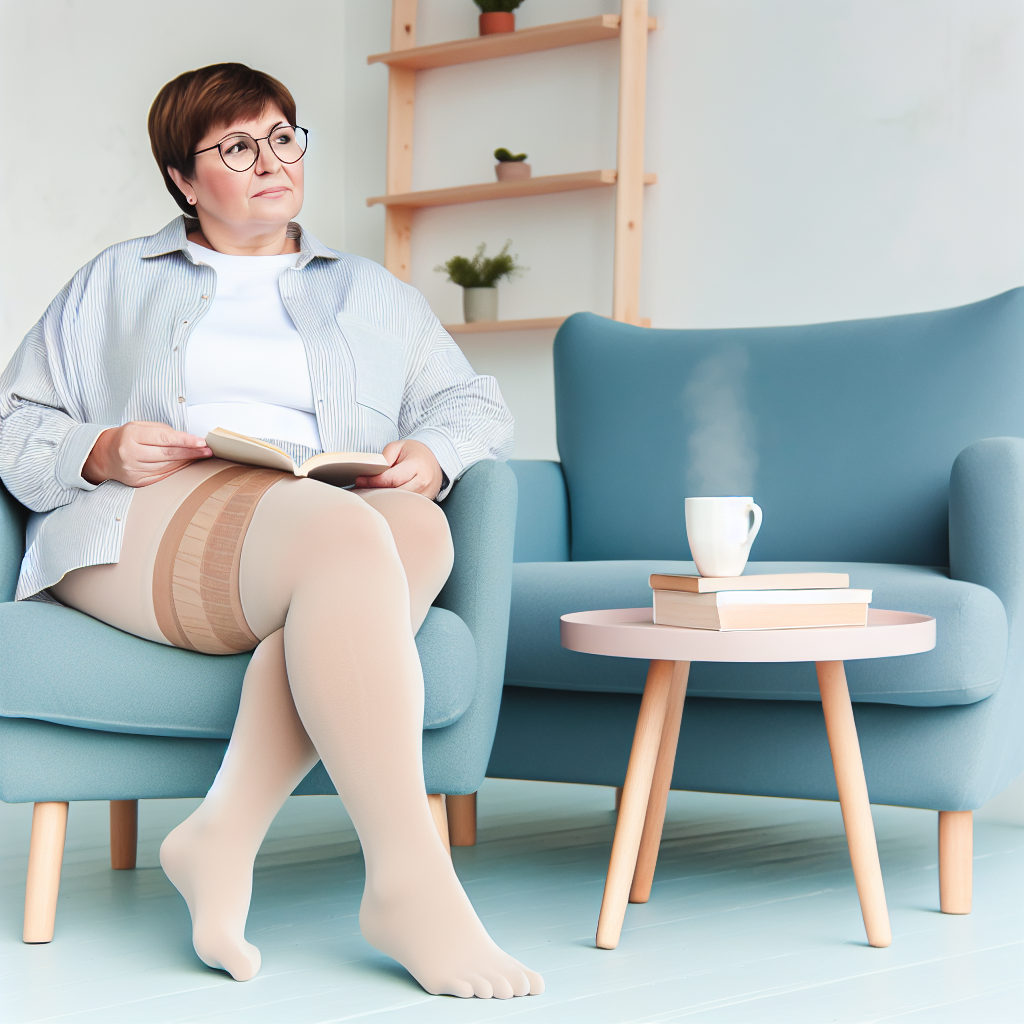
Compression garments are an essential component of lipedema treatment as they support lymph flow and decrease swelling. Wear compression leggings or pants therapy wear under loose trousers. Brands that are clinic-certified or recommended, like CZ Salus compression leggings, provide trusted, measured pressure.
Make compression fits good at the waist and legs so it doesn’t roll down or bunch when you move. Pair compression base layers with loose-fitting outerwear to maintain fashion and promote blood flow.
For workouts, choose breathable, graduated compression that you can combine with wide-leg joggers or loose shorts to prevent restriction.
Your Pant Guide
Lip-appropriate pants are a mix of fabric, cuts and considerate construction. Measure first and then use the tips below to focus choices, test styles and shop assured.
1. Fabric
Stretch wovens and knits made of blends that move with the body minimize binding and fit better over larger hips and thighs. Seek out blends with elastane or spandex and natural fibers such as cotton or Tencel for breathability.
Lightweight, breathable materials count in warm weather. Linen blends, lightweight cotton, and modal provide air flow. For summer, swim leggings in nylon-spandex blends provide coverage without holding heat when wet.
Stay away from tight, thick, non-breathable fabrics that trap sweat and rub skin raw. Thick denim and stiff twill bug me. Pair with recycled or climate-pledge fabrics to align sustainability goals while still achieving stretch and light weight.
Others sew vertical elliptical inserts at the upper hip or upper thigh for fit relief. Fabrics with excellent recovery make these inserts lay without bulk. Several narrow elastic channels in stretch waistbands can feel softer than a single wide elastic.
2. Cut
Opt for loose-cut, wide-straights, or traditional slacks with a flat front waist for a sleek appearance. Wide straight legs and tulip or flared cuts minimize thigh cling and even out proportions for the small waist-large hip figures.
Stay away from skinny jeans and very tight cuts that impede circulation and display swelling. Try tulip-front patterns or princess seams to contour the dress without constricting. Princess seam options in pant patterns provide contouring and give space through the hips.
Brands such as Torrid, Lane Bryant and boutique makers provide extended cuts. Pietra pants have been successful for a few years. Burda patterns are great for home sewing because they have multisizing and very fine drafting.
3. Waistband
Check for elastic or adjustable waistbands for simpler dressing and a snug fit all day. High-waisted styles offer support and more coverage over the midsection and alleviate pressure on the hips.
No mini stiff waistbands that cut in. Seek out multicolour or decorative waistband offerings that bring style without additional bulk. Elasticized channels provide several ways to disperse pressure and feel more comfortable than one wide band.
4. Construction
Check seams and stitching to prevent irritation. Flat seams and soft seam allowances help sensitive skin. Reinforced inner thighs minimize friction wear, which is a necessity with generous hips.
Minimal hardware matters: fewer buttons, studs, and heavy zippers lower pressure points. A good pair of pants will not only last longer but will stay fitted longer.
5. Measurements
Measure your hips, thighs, and waist accurately and record them. Consult each brand’s size guide and track your good-fitting pants for future purchases.
Monitor size fluctuations throughout and post-surgery. Having the precise measurements accelerates the search for stand-ins and assists when experimenting with new cuts or patterns like Pietra or Burda.
Style & Silhouette
It really does make a difference to pick the right silhouettes and styling moves when you have lipedema. Concentrate on styles that minimize stress on the legs, even out proportions, and redirect attention to other areas of the body.
Wide skirts, maxi dresses, tulip-shaped trousers, and harem pants are great starting points since they provide space through the hips and thighs while maintaining a smooth line from waist to hem. Flouncy peplums and airy dresses give just a bit of a feminine feel without having to cling, and they can redirect eyes upward toward the waist and bust.
Color
Dark colors or vertical stripes will best slim the look of your legs by creating uninterrupted lines. Vertical pinstripes on trousers or long skirts add length.
Darker hues on the lower half and lighter colors on top will draw attention upward. Experiment with multi-color waistbands or subtle color-blocking near the waist to draw attention there instead of on the legs.
Flattering colors depend on your skin tone. Deep navy, forest green, burgundy, plum, charcoal, and black suit most folk, but it’s worthwhile to test some lighter shades close to the face to illuminate the complexion.
Steer clear of shiny or ultra-light fabrics on your legs because they reflect light and can emphasize swelling and lumps or bumps.
Pattern
Small subtle patterns are better than big busy prints if you are trying to minimize attention to the legs. Teeny florals, micro-checks, and thin pinstripes distract the eye and prevent it from isolating one zone.
Use patterns on tops or accessories to balance proportions. Patterned blouses, scarves, or statement necklaces draw attention up. Opt for classic prints like narrow pinstripes and small-scale florals to maintain a timeless aesthetic and they can be paired with solid bottoms.
Avoid big bold prints below, as they can exaggerate width and cause visual imbalance.
Layering
Layering is comfortable and flexible, and can alleviate direct pressure on skin.
- Long tunics or oversized shirts that hit mid-thigh
- Lightweight cardigans with vertical drape
- A-line or wrap skirts over leggings
- Compression leggings under skirts or dresses
- Structured blazers that define the shoulder line
Mix compression leggings under skirts or dresses for support while maintaining a flowing outer layer. Throw on longline cardigans or duster coats for coverage and vertical lines.
For swimwear, opt for suits with skirts, swim shorts, or leggings. Flip these pieces in and out each season to keep things fresh without the need for a completely new wardrobe.
| Season | Key Pieces |
|---|---|
| Spring | Lightweight maxi skirts, tunics, airy dresses |
| Summer | Maxi dresses, swim leggings, flouncy peplums |
| Fall | Tulip trousers, harem pants, layering cardigans |
| Winter | Wide wool skirts, long boots, structured blazers |
The Custom Approach
The custom route is frequently the best way to find pants that fit lipedema legs. Custom options and smart alterations let you control fit where it matters most: thighs, hips, and waist. They allow you to select materials and characteristics that minimize friction, maintain equal pressure, and maintain flexibility.
Here are actionable steps and examples to make pants work for your shape and life.
Alterations
Again, shorten or lengthen hems so pants hit at a flattering point for your height and shoe choice. If you’re in flats, a shorter length eliminates fabric drag. For boots, a longer hem covers the shaft.
A good tailor can make a crisp finish without altering the pant’s line.
Tailored: Let waistbands sit. Quite a few with lipedema have a smaller waist compared to the hips. Taking in a waistband while letting out seams at the hips maintains a snug waist without pinching your thighs.
Request a low-tension finish, which uses less rigid interfacing to prevent digging.
Put in elastic inserts or side panels in the waist or upper thigh to allow pants to stretch with daily swelling. A 5 to 8 cm stretch gusset at the side seam or a concealed elastic panel in the waistband can add stretch without altering the look.
Include some softer stretch knit for inserts to reduce chafe.
Strengthen seams and line where friction is greatest. Double-stitching the inner thigh seam and incorporating a lightweight breathable lining in cotton or modal keeps wear and skin irritation at bay.
If you ride often, opt for reinforced seat panels.
Bespoke
Order custom-made pants from lipedema designers. Compare measurements standing and sitting and note where pressure becomes uncomfortable. A custom maker can cut for fuller thighs with a tailored waist and taper below the knee if you wish.
Choose fabrics and finishes that match needs: woven ponte or twill with 5 to 10 percent elastane for smooth hold, breathable linen blends for hot climates, and soft stretch denim for casual wear.
For instance, specialized finishes include anti-chafe seams, flatlock stitching, or softer pocket bags.
Work with designers to add adaptive features: adjustable waist tabs, removable panels, or zip vents that let you change fit through the day.
For instance, a concealed waistband button system allows you to relax the waist one size without compromising the fit.
Construct a capsule wardrobe of custom work, workout, and casual pieces. Begin with one for dress, one tapered for every day, and one flexible pant for movement days.
With experience, modify patterns from wear and comfort observations to improve subsequent garments.
The Mindset Shift
Discovering how to find pants that fit lipedema legs starts with a mindset shift. This piece shows why the shift matters and how to act on it. Prioritize comfort, utility, and actual wear instead of style-following. That shift helps ease everyday stress and turns clothes into a wellbeing instrument instead of an anxiety amplifier.
Redefining Style
Defy rules that declare one silhouette suits all. Experiment with wide-leg trousers, tapered cuts, or high-rise styles that fall above sensitive areas. Each can even out proportions and steer clear of putting pressure on swollen tissues.
Use color and pattern to guide the eye where you want it. Vertical pinstripes, thigh darkening, and patterned lower legs can all alter perceived proportions. Share simple outfit combos: linen wide-leg pants with a structured top for warm days or stretch denim with an elasticated waist paired with a long tunic.
Construct a capsule of pieces that coordinate and you’ll have less bad-fit days. Wear what allows you to move, sit, and stand without pinching or swelling. Confidence comes when clothes accommodate life, not when you cower from it.
Body Neutrality
Be self-compassionate about body changes. Lipedema is full of mindset shifts in size and shape. They can be difficult emotionally and when the heat brings increased swelling or sensitivity in summer, it’s even harder.
Pay more attention to how clothes feel on your skin, whether they’re breathable or if seams press on sore spots. Steer clear of cruel self-chatter about fit issues. Select moisture-wicking fabrics like natural fibers or blends with a bit of stretch and opt for adjustable features like drawcords, side tabs, or elasticated panels that shift with you throughout the day.
Prioritize clothing that aids lymphatic flow: looser cuts around the thighs, gentle compression when recommended by a clinician, and non-constricting waistbands. Health and mobility come first, with style as a consequence of usefulness.
Community Wisdom
Harness peer genius for action-oriented tips. Online forums and social groups provide brand names, sizing hacks and actual pictures that emphasize actual fit. Exchange and compile lists of stores carrying extended sizes, adaptive lines or adjustable waists with shipping and returns notes for various regions.
Trade tips on summer-cool fabrics or tailoring adjustments that provide extra space around the thigh without expanding the waist. Provide emotional backup when a season triggers flare-ups and toast the mini victories of discovering that one perfect pair or a favorite brand.
Mutual experience renders the quest quicker and less solitary.
Functional Design
This functional design for pants that fit lipedema legs prioritizes materials, construction, and adaptable features that minimize pain, safeguard sensitive skin, and provide flexibility. Smart decisions simplify both everyday life and the gym, with a minimal, well-edited wardrobe getting you through nearly all occasions and weather.
Performance Wear
Nina Cnutzen designs select yoga pants, leggings, and activewear cut to provide extra space in the hips and thighs without gaping at the waist. Seek out brands that provide wide hips-to-waist ratios or designated “curvy” fits so it lays smooth at the waistband and does not squeeze your belly while fitting thighs comfortably.
Compression characteristics aid circulation during light activity. Opt for light, graduated compression over medical-grade compression tightness. Fabrics of 10 to 20 mmHg or “mild support” compress with a comforting squeeze that can feel like a hug without the pain.
For walking, low-impact cardio, and low-resistance level cycling, these help proprioception and decrease muscle vibration. Flat seams and soft, brushed insides reduce friction and chafing. Seams off the inner thigh minimize chafing.
Favor single-layer gussets or triangles that open the legs without adding bulk. Four-way stretch fabrics, such as nylon/elastane blends, allow movement without over-constriction. Stock up from brands that provide size ranges and reliable cuts.
Purchase one in your base size and one up if you want additional space for swelling. Consider long lengths or custom hemming to steer clear of those cuff-tight styles that burrow into swollen calves.
Adaptive Features
Adjustable waistbands, drawcords and soft elastic make for quick changes when experiencing daily fluctuations. Waistbands that snap or fold provide additional flexibility when sizing is inconsistent. Elastic cuffs or flared-leg openings simplify pulling pants on and off over compression socks or swollen calves.
Additional stretch panels in the thigh or knee allow pants to flex where necessary. Side panels in mesh or knit zones provide stretch with structure. With inserted gussets or pleats, these designs accept a fuller silhouette without tugging at pockets or zippers.
Minimal hardware and soft linings guard sensitive skin. Metal buttons should be replaced with wide snaps or covered elastics. Stiff waistbands with rigid interfacing should be avoided.
Soft waistbands or inner drawstrings alleviate pressure on the stomach and crotch areas.
List of practical adaptive features to look for: adjustable waistband, side-seam expansion panels, wide-leg openings or elastic cuffs, gusseted crotch, flatlock stitching, breathable mesh panels, mild compression zones, and soft-lined pockets.
Merging these realities into a handful of adaptable items forms a closet that functions for working out, journeys, and diverse temperatures.
Conclusion
Finding anything that fits lipedema legs means defined actions and tiny successes. Start with waist fit. Choose fabrics with stretch that don’t sag, like ponte or knit blends. Go for high-rise cuts to keep the waist smooth and tapered legs to prevent bulk. Use tailored tweaks: widen the thigh, add a gusset, or shorten the rise. Look for brands that actually provide measurements for the thigh and hip. Local tailors are your friend for small tweaks that go a long way.
Lean into what styles feel good and work with everyday life. Keep a record of what fits and why. Over time, you build up a go-to arsenal of cuts, fabrics, and shops that flatter your body and your lifestyle. Try one alteration this week and record the outcome.
Frequently Asked Questions
What pant styles usually work best for lipedema legs?
High-rise, wide-leg, straight-leg, and bootcut styles often work best. They provide proportion balance and relieve snugness around thighs and calves while fitting the waist just right.
How do I choose the right fabric for lipedema-friendly pants?
Opt for fabrics with stretch and recovery such as ponte, stretch denim or knit blends. They work with your legs to minimize pressure while maintaining both shape and comfort.
Should I size up or size for my hips when buying pants?
Size to your biggest area—typically hips or thighs. It is easier to take in the waist than to squeeze tight lipedema legs into skinny jeans. This avoids digging and enhances comfort.
Can compression garments be worn with regular pants?
Yes. Low- to medium-compression garments can work under pants if they fit. Try to seek out seamless, breathable options to prevent additional compression.
Is tailoring worth it for lipedema-friendly pants?
Yes. Tailoring offers a custom fit at the waist and hem with no compromise on spacious legs. Tiny tweaks make a difference in comfort and style!
Where can I find ready-made pants for lipedema legs?
Search for brands with curvy or athletic fits, plus-size, and adaptive clothing lines. Retailers with good return policies let you try on at home.
How can I balance style and function when choosing pants?
Think fit and comfort first, then select silhouettes and colors that flatter. Structured waistbands, deeper pockets, and heavier fabrics provide style and support.
Think you might have lipedema?
Book a free 30-minute video consultation with our team. We’ll review your symptoms and give you an honest stage and plan — no pressure, no obligation.
Book Free Consult →