
When Doctors Dismiss Lipedema: Why You’re Not Being Heard and How to Advocate for Care
Key Takeaways
- Why do doctors dismiss lipedema? Because they get little training, they’re wrought with weight and gender bias, and symptoms overlap. So bring receipts before appointments.
- Bring a daily symptom log with photos, failed weight-loss attempts, easy bruising, tenderness, and chronic pain to help clinicians differentiate lipedema from obesity or lymphedema.
- Agenda appointments with clear goals, come with sorted medical history and comparison points, and inquire directly regarding diagnosis and how to seek out a referral to a specialist.
- If brushed aside, ask for a written referral, get a second opinion, take notes about encounters, and file a complaint if you’re being medically gaslit or neglected.
- Protect your mental health by validating your feelings, seeking out patient communities for support, and using coping strategies to address the emotional toll.
Build a multidisciplinary care team with clinicians experienced in lipedema and maintain regular communication to evaluate conservative and surgical treatment options.
When doctors dismiss your lipedema, it means symptoms and concerns are minimized or misattributed by medical professionals.
Lipedema is a chronic fat disorder that results in painful, symmetrical fat deposits, swelling, and bruising, typically associated with hormonal phases.
Dismissal delays diagnosis, restricts treatment options, and increases the emotional toll.
This is followed by clear advice on seeking second opinions, documenting symptoms, and locating specialists to help readers navigate care and secure suitable treatment.
Why Dismissal Happens
Lipedema is frequently missed or downplayed in clinic because multiple system failures converge: limited clinician education, weight and gender bias, symptom overlap with other conditions, and time-pressured care. The next subsections describe how these factors combine and why patients frequently depart either undiagnosed or unreferred.
1. Education Gap
Many clinicians and general practitioners are trained very little on lipedema and fat distribution disorders, so they don’t have the tools to recognize distinct symptoms. Medical school and residency curricula rarely cover lipedema in depth, so clinicians might not learn to take such a detailed history that asks about onset during puberty, pregnancy, or menopause.
Limited exposure results in a surface-level exam that overlooks diagnostic hints like disproportionate fat on the limbs with sparing of the hands and feet, easy bruising, and tenderness to touch. The result is that doctors may label the problem as “obesity” without documenting suspected lipedema or referring to a specialist.
Updated medical language and targeted clinical skills like limb circumference mapping, skin texturizing, and careful bruising histories need to be incorporated into training. Both patients and providers can utilize trusted resources such as the Lipedema Foundation and the Fat Disorders Resource Society for guidance and continued education.
2. Weight Bias
Physicians who are unfamiliar with lipedema frequently misdiagnose lipedema symptoms as ‘simple obesity’ and recommend conventional lifestyle weight-loss measures which don’t reduce lipedema fat. When clinicians presume weight is to blame, they might not listen to patients who experience flat diets or disproportionate changes in body shape.
This bias results in psychological stress and social stigma, and patients feel as though they, rather than their bodies, are to blame. Dismissing again and again breaks trust and delays care. Patients should record failed weight-loss attempts, persistent bruising, and localized tenderness as objective notes to present to clinicians.
Those notes can invite more targeted investigation instead of automatic counsel to slim down.
3. Gender Bias
Lipedema mainly impacts women. Things that impact women are more likely to be perceived as cosmetic or hormonal and not medical. Symptoms are misread as typical changes related to hormones, and worries are dismissed, particularly in male-centric practices.
Being brushed off cheapens concern and dissuades return. Identifying typical times of onset, such as puberty, pregnancy, and menopause, positions the issue as condition-related rather than simply cosmetic and can encourage physicians to entertain a referral.
4. Symptom Overlap
Lipedema has overlapping signs with lymphedema, venous disease, and metabolic disorders, making diagnosis difficult. Distinguishing lipedema fat from regular fat and fluid requires attention to pattern: symmetric limb enlargement, pain, and easy bruising versus pitting edema or venous stasis.
Patients should maintain a symptom diary that includes pain pattern, bruising frequency, and response to elevation and contrast these with their other conditions. A simple comparison table can help clinicians see differences and cut down on misdiagnosis.
Absent one, they are pressed for time and do not have a magic test, so they simply dismiss it.
Prepare Your Case
Collecting a crystal-clear, specific record in advance of an appointment improves the likelihood your concerns are taken seriously and aids in obtaining a formal diagnosis you can enter in your chart. Gather symptom data, medical notes, images, and a brief timeline so you can demonstrate patterns, historical efforts at treatment, and a petition for referral.
Have the clinician document that you requested evaluation for lipedema and a referral. That one line in the chart can inspire proper next steps.
Document Symptoms
Maintain a daily record of swelling, pain, bruising, or tenderness. Note the time of day, activity level, and any triggers such as standing, heat, or salt. Photograph yourself in the same light and posture from similar angles once or twice a week to demonstrate changes in thighs, lower legs, and fat distribution.
Label each with the date and a short note. Rate severity on a basic scale from one to ten and jot short notes about what helped, such as compression, elevation, or a walk, and what made things worse. Monitor reactions to conservative interventions such as compression garments, anti-inflammatories, and targeted exercises so you can demonstrate if symptoms improved or not.
Compile History
Enumerate any and all previous diagnoses, scans, surgeries, and treatments connected to leg swelling, chronic pain, or unusual fat, including dates and the names of the clinicians if you can. Add family history of similar body habitus, swelling, or metabolism issues. Lipedema is frequently hereditary.
Review weight gain patterns, periods of rapid change like puberty, pregnancy, or menopause, and any hormone treatments taken. Construct a basic timeline connecting symptom onset to interventions and life events and record any complications, such as skin changes, mobility restrictions, or recurrent bruising, that impact quality of life.
Research Specialists
Identify clinicians with lipedema experience: vascular medicine, lymphology, plastic surgery with lipedema training, and dermatology can all be relevant. Use patient communities, the Lipedema Foundation, and professional directories to source names and read patient reports.
Verify credentials and inquire if the clinician regularly diagnoses lipedema, implements conservative care plans, or provides referrals for specialized treatment. Have a short list of 2 to 4 possible specialists, including contact info and why you might want to see each, so your general doc can quickly make referrals.
Once you have a diagnosis in the chart, documented requests for evaluation and referral, and a clear plan for further evaluation, you are much more likely to get the appropriate treatment and access to management strategies.
Navigate The Appointment
Patients at risk of being fired require a strategy for the appointment. Tell them why you came, demonstrate what backs up your worry and ask pointed questions. Navigate The Appointment. This section chops work into actionable pieces to keep the appointment on track and effective.
State Your Goal
State the main goal at the start of the visit: ask for a reliable diagnosis, a referral to a specialist, or a treatment discussion. Describe how symptoms impact activities such as work, sleep, mood, and mobility.
Give concrete examples: difficulty climbing stairs, frequent bruising, clothing that no longer fits, or pain after standing for 30 minutes. Outline desired outcomes: a specialist referral within a set time, documentation in the chart that lipedema was suspected, or a plan for symptom relief while waiting.
Write goals before the visit on paper that you can read aloud. A short list decreases the risk of getting distracted when appointments are 10 to 20 minutes long and can be scheduled months apart.
Present Evidence
Bring a packet: dated photos showing progression, a timeline of symptoms, recent lab results, and notes from prior visits. Try as you like to lose fat or tone your thighs; it will go where it will go, not where you want it to.
Emphasize exam findings you or clinicians observed: localized, symmetric lower-body fat, tenderness, and nodular lumps. Have the doctor make a note of suspected lipedema in your chart and that you requested specialist evaluation. This can expedite referrals and insurance review.
Lipedema commonly coexists with lymphedema, as well as obesity and venous disease. Let this table clear things up.
| Feature | Lipedema | Obesity | Lymphedema |
|---|---|---|---|
| Symmetry | Symmetric lower body | Generalized | Often unilateral or limb-specific |
| Tenderness | Often present | Rare | Variable |
| Response to diet | Poor change in limb fat | Often reduces | No clear effect |
| Stemmer sign | Negative | Negative | Often positive |
Emphasize that early signs can be subtle and that no one test confirms lipedema, which is why clinical history and exam are critical. Have the clinician run your history against diagnostic criteria right at the appointment.
Ask Direct Questions
Inquire if the doctor is familiar with up-to-date diagnostic standards of lipedema and whether they have ever treated it. Otherwise, ask for a specialist referral.
Inquire what diagnoses they entertained and which others they eliminated. Request clear information about treatment options: manual lymphatic drainage, compression garments, referral for liposuction consultation, and conservative care steps you can start now.
If the advice uses jargon, have them explain in plain language and what each alternative means for symptoms and function. If specialist wait times are long, request that the doctor establish a formal referral and record your request.
Make questions short and numbered so you can tick them off during the visit.
When You’re Ignored
Being brushed off by a clinician can leave you at a loss as to what to do next. Here, it describes medical gaslighting indicators, immediate actions to document what occurred, and concrete advice to ask for referrals, pursue second opinions, or lodge complaints. The goal is to assist you in maintaining control of your care and minimize frustration associated with being ignored.
Request A Referral
If you’re being ignored, ask outright for a referral to a clinician who knows lipedema. Name a type of specialist when you can: vascular medicine, lymphology, a physical medicine doctor, or a plastic surgeon familiar with lipedema surgery.
Say why you need a referral: persistent pain, progressive swelling, or failed conservative treatments, and link these facts to function: trouble walking, clothing fit, or reduced activity levels. If the provider dithers, ask them what tests or findings they require in order to justify a referral and explain that you disagree with a purely weight-based rationale.
Put the referral request in a letter. Shoot a secure patient message or e-mail, or request a typed note in your chart that documents the date and which specialist they requested. This gives you a paper trail should you later pursue a second opinion or a complaint.
File a copy for yourself.
Seek A Second Opinion
If you’re dismissed, make another appointment with a new doctor or a clinic specializing in fat-distribution disorders. Bring everything: clinic notes, imaging, labs, a symptom diary with dates, pain scales, and photos showing changes over time.
That context helps a new clinician get a clearer view and prevents rehashing the whole story in tension. Research before you book: look for tertiary centers, academic hospitals, or clinicians recommended by patient communities.
International readers can consult specialist directories or advocacy groups which provide listings by country. Peer recommendations from LGBTQ, multicultural, or older patient groups can be particularly valuable, as those communities tend to experience higher dismissal rates.
Joining lipedema communities will help you track down supportive clinicians and an ally that accompanies visits or assists with notes. An ally can ease nervousness, facilitate conversations, and combat the social stigma that can accompany weight labeling.
File A Complaint
File a complaint with the hospital or clinic if you got neglected or gaslighted. Be factual: include dates, names, direct quotes, and how the dismissal affected your care.
Request a clinical decision and patient communication review. Retain copies of all communication and responses. Ask for timelines to investigate and follow if you don’t hear back.
Documentation not only aids future appeals, it can effect system changes that assist others.
The Mental Burden
Lipedema brushed aside by clinicians brings with it an additional mental burden that coexists with the physical. This chapter unpacks how constant rejection impacts emotional well-being, identity, and day-to-day life and provides actionable strategies to counter and guard your mind.
Acknowledge The Hurt
Acknowledge the hurt and anger as real and deserving of care. To be told things like ‘a little fat is part of being a woman, you have to live with it’ erodes self-value; acknowledging this is the beginning of reconstructing it. Journaling helps both name moments of hurt and map patterns.
Write down specific incidents where a clinician minimized symptoms. Document how it changed behavior at work or home. Trace physical effects that followed. Mark days where pain or limited mobility made things more difficult. Connecting those episodes to emotional reactions demonstrates the long-term toll of dismissal.
Medical gaslighting and stigma can cause long-term self-doubt, so list the concrete ways dismissal altered choices, such as delayed care, avoided social events, or extra hours off work. Giving these results names makes them more concrete and manageable.
Find Your Community
Get involved in online forums, local groups, or social media spaces dedicated to lipedema to meet people who ‘get it’. When you share treatment outcomes, tips, compression, manual lymphatic drainage, or coping strategies, you reduce isolation.
A national survey of more than 700 women with lipedema discovered symptoms can be extremely disruptive. Community data like that helps affirm individual experience. Look for organizations like Fat Disorders Resource Society for reputable resources and links to activists.
Others find meaning in activism, signing up with awareness drives to de-stigmatize and demand more care. These groups assist in locating clinicians who take lipedema seriously and can reduce the long waiting time many experience for diagnosis and treatment.
Protect Your Peace
Draw boundaries with dismissive or minimizing people, including skeptical clinicians and acquaintances. Choose upfront what you’re not going to talk about and how you will exit conversations that turn harmful.
Put first things first: self-care that reduces stress includes regular sleep, easy movement when you can, and mini mental vacations during painful flare-ups. Limit your time with media or people talking about thinness as virtue.
Lipedema patients experience enormous pressure to be a certain ‘ideal’ which exacerbates the suffering. Create safe spaces amongst the lipedema community and friends who listen without judgment. If necessary, find professional mental health help to develop coping skills and safeguard day-to-day function.
Finding Your Team
Most lipedema patients experience years of delays and dismissal before they locate any care. Begin with the knowledge that finding your team means finding clinicians who understand the condition and listen. Anticipate encountering providers who mistake lipedema for obesity. That reality makes self-advocacy and a clear plan crucial.
Build a cross-disciplinary team spanning diagnosis, symptom control and long term function. Core members often consist of a physician familiar with lipedema, which may include vascular medicine, lymphology, or a surgeon experienced with liposuction for lipedema, a CDT-certified lymphedema therapist or PT, a nutritionist familiar with weight neutral support, and a pain or rehab specialist if necessary.
A vascular physician can evaluate circulation and rule out venous disease, while a lymphedema therapist teaches manual lymph drainage, compression, and skin care. A nutritionist should focus on how to reduce inflammation and support mobility, not weight stigma.
Find your team – seek out clinicians who are understanding and respectful. Look for signs: they ask detailed history about onset, family patterns, and disproportionate fat distribution. They avoid blaming language about weight alone. They explain diagnostic criteria and options. They refer to relevant specialists.
Utilize clinic websites, peer reviews, and lipedema advocacy group lists to find names. If a provider brushes off your symptoms or demands exclusively weight loss with no other workup, get a second opinion. Too many patients have to find a new provider just to be correctly diagnosed and treated.
Discuss treatment strategies as a team. Discuss conservative treatments first: compression garments (fit and material matter), manual lymphatic drainage, targeted exercise, and pain management. Inquire about ways each therapy could minimize pain, swelling, and functional restrictions.
If you are considering surgery, discuss with your medical team the medical criteria, expected outcomes, risks, and recovery for lipedema liposuction techniques. For example, some surgeons use tumescent liposuction aimed at removing lipedema tissue while protecting lymphatics; ask about their experience and complication rates.
Discuss supportive therapies such as psychotherapy for body image, occupational therapy for daily activities, and community resources. Stay in communication and check in regularly to adjust care.
Set up regular check-ins for symptoms, garment fit, and mobility. Keep track of treatments tried and results to inform choices. Use online communities and advocacy groups for pragmatic tips, provider recommendations, and emotional support. Peer connections can expedite the path to a useful provider and insulate against isolation.
Conclusion
Facing dismissal over lipedema is weighty and tangible. Maintain symptom notes, photos, and timelines. Come with clear questions and one trusted person to appointments. Request concrete tests and written referrals. Discover clinicians who know the condition or who will learn from trusted sources. Leverage support groups to track down specialists and to alleviate isolation. Protect your mental health with simple habits: short walks, steady sleep, and small goals. Measure inch loss, pain days, or how clothes fit. Be assertive but not aggressive at appointments. Little steps compound. Contact a patient group or specialist directory today to discover your next practical step.
Frequently Asked Questions
What is lipedema and why do some doctors dismiss it?
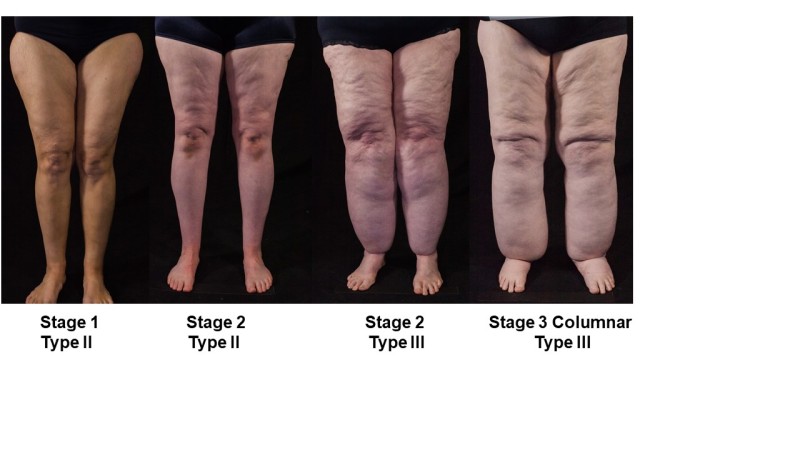
Lipedema is a long-term fat disease that leads to the symmetrical swelling and pain in the legs and arms. Some doctors will dismiss your lipedema because of limited training, overlap with obesity and lymphedema, or lack of awareness. Find specialists that understand its diagnosis and staging.
How can I document symptoms to prove lipedema to my doctor?
Log progress photos, measurements, pain score, bruising, and symptom triggers. Document onset, family history, and treatments attempted. Clear, dated documentation accelerates diagnosis and assists specialists in identifying trends.
What should I say during the appointment to be taken seriously?
Be concise: describe typical lipedema signs, timeline, family history, and functional impact. Send photos and measurements. Ask them direct questions about diagnosis and next steps, including referral to a lymphologist or vascular specialist.
What if my doctor still ignores or minimizes my concerns?
Get a second opinion or referral. Request medical notes documenting the reasons for dismissing your lipedema. Seek out clinicians with lipedema experience, such as vascular surgeons, lymphologists, or certified lymphedema therapists.
How do I manage the emotional impact of being dismissed?
Recognize your emotions and reach out to counseling or patient communities. Do your research from trusted sources. Building your care team and support network reduces isolation and increases your ability to advocate.
Can insurance cover lipedema diagnosis and treatment?
Coverage depends on the country and insurer. Diagnostic visits and conservative treatments such as compression or therapy tend to be covered. Surgery, such as liposuction for lipedema, can require appeals and specialist letters.
How do I find a qualified lipedema specialist?
Look for clinicians with lipedema or lymphedema training. Look at professional societies, patient advocacy groups, and specialist directories. Inquire about expertise, diagnostic methods, and results prior to scheduling.
Think you might have lipedema?
Book a free 30-minute video consultation with our team. We’ll review your symptoms and give you an honest stage and plan — no pressure, no obligation.
Book Free Consult →