
Lipedema and Depression:Emotional Toll, Coping Strategies, and Treatment Pathways
Key Takeaways
- Lipedema tends to be consistently painful and disfiguring, diminishing mobility and enhancing psychological stress. Therefore, make pain management and adaptive movement of utmost priority for preserving mental health.
- Poor body image and social stigma often diminish self-esteem and cause withdrawal. So embrace customized body positivity and find a like-minded tribe.
- Misdiagnosis or delayed diagnosis compounds emotional stress and frustration. Seek out patient education, request specialist referrals, and monitor symptoms in order to facilitate timely diagnosis.
- Because integrated care, combining medical, surgical, and psychological approaches, improves outcomes, incorporate psychotherapy, behavioral therapy, and a multidisciplinary team into your treatment plan.
- Access barriers and inadequate provider communication compound outcomes, so get your questions ready, be your own best advocate with insurers and clinics, and connect with organizations that assist with resources and referrals.
- Build resilience with self-compassion, gentle movement, community, and symptom tracking to reinforce coping skills and celebrate tangible gains.
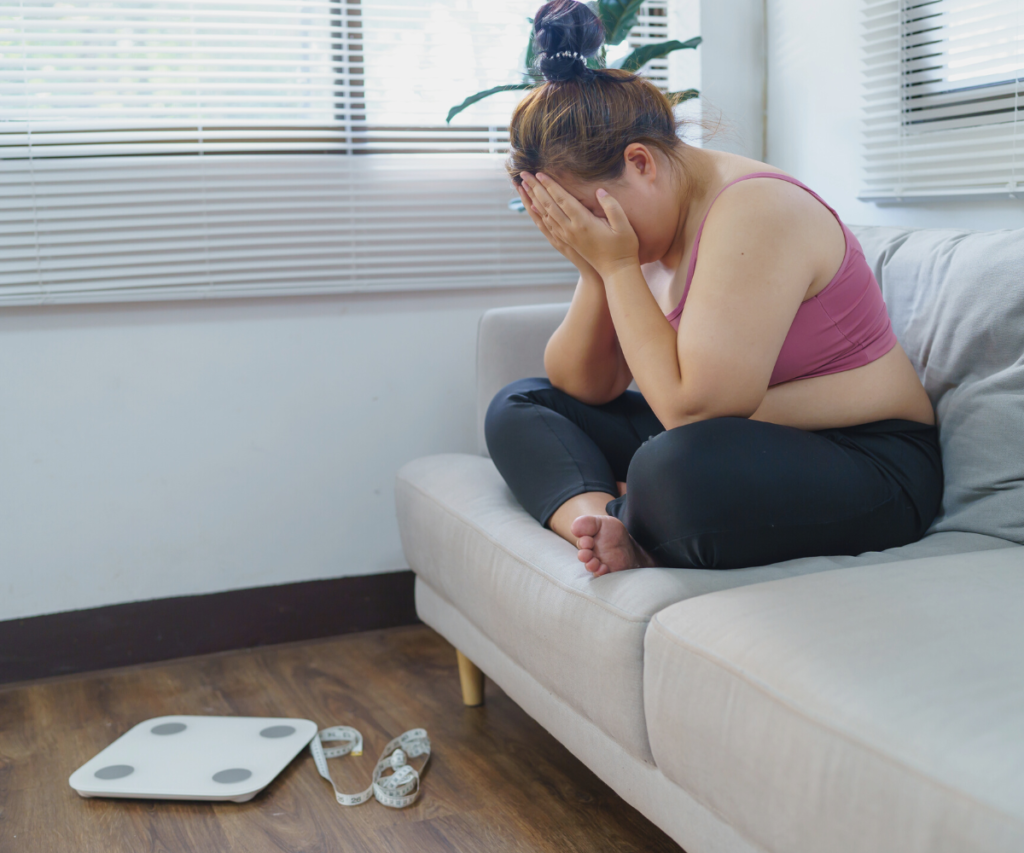
Lipedema and depression go hand in hand as years of chronic pain, swelling, and body changes increase the risk of low mood and social isolation. Research indicates that people with lipedema experience greater anxiety and depressive symptoms than the general population.
Physical boundaries, episodic symptoms, and diagnostic difficulties can compound this stress. Below we review causes, common signs, coping strategies, and practical steps to better mental and physical care.
The Emotional Weight
Lipedema is a chronic adipose tissue disorder that delivers constant aches and a soul-crushing psychological weight. The chronic pain, visible disproportions, and repeated misdiagnoses paint an emotional backdrop that colors your daily decisions, relationships, professional life, and eventually, your long-term psychological state.
The subsections below break down how those forces interact and point to practical ways to minimize damage.
1. Physical Pain
Continual pain, tenderness, and swelling in the legs and arms contribute additional stress and exhaustion. Pain gnaws at focus, saps stamina, and makes even simple activities seem monumental, which increases the likelihood of stress and depression. Chronic pain often limits mobility and reduces exercise, starting a cycle where less movement increases stiffness and weight gain in other areas, which deepens feelings of helplessness.
That cycle can spiral into clinical depression when pain is unremitting and a sense of control is elusive. Pain control is thus important, whether through compression therapy, specialized physiotherapy, judicious pain medication, or manual lymphatic drainage to deflate the swelling and, with it, the psychological burden.
2. Body Image
Disproportionate fat deposits alter body shape in ways that are difficult to conceal and a great number of patients describe feelings of shame and diminished confidence. About the emotional toll. Feeling bad about how you look can cause aloofness and insecurity, particularly when people confuse the state with simple overweight.
Insensitive remarks and stigmatizing reactions from relatives, peers or passersby compound suffering and may instill permanent insecurity. Practical steps: build a short list of body-positive strategies such as focusing on functional goals, choosing clothing that increases comfort, practicing mirror work, and using CBT techniques to reframe negative self-talk. These don’t cure the condition but they can mitigate its daily blows to self-esteem.
3. Diagnostic Journey
Mistaken for obesity or lymphedema, delayed or misdiagnosis is typical. It’s how constant mislabeling makes you frustrated, angry, and despondent. Patients feel dismissed by clinicians. A proper diagnosis provides comfort and affirmation, but comfort can be tinged with sadness in discovering it is incurable.
Education for both patients and clinicians hastens proper diagnosis. Clear information allows people to get appropriate treatments sooner, which lessens the aggregate emotional damage.
4. Social Isolation
Apparent symptoms and mobility restrictions isolate others from social occasions and pastimes. Loneliness and emotional exhaustion escalate when friends or family don’t grasp the illness. Less involvement in activities restricts support systems and exacerbates mental health season by season.
Joining support groups or online communities provides companionship, actionable advice and a powerful feeling of not being invisible.
5. Hormonal Influence
Hormonal changes during puberty, pregnancy or menopause can all set off or exacerbate lipedema, resulting in an unstable body that feels out of control. Those changes can intensify emotional volatility and dread of what lies ahead.
Symptom tracking against hormone cycles can help illuminate your own patterns and inform your timing of interventions. Knowing these connections between hormones, pain and mood helps you advocate for self-care and treatment decisions.
Beyond The Diagnosis
Lipedema is not just physical. It frequently carries chronic psychological stress that requires nurturing in addition to medical intervention. Patients often deal with pain, restricted mobility, body image challenges and social stigma, which all increase the likelihood of anxiety and depression.
Managing lipedema successfully demands a plan for both body and mind, such that care teams, patients, and families can collaborate toward consistent, life-enhancing progress.
Comprehensive care: physical and psychological together
Physical treatments – compression therapy, manual lymphatic drainage, tailored exercise, and liposuction where appropriate – minimize pain and limb size. Mental health support should be provided concurrently.
Screening for depression and anxiety at diagnosis and follow-up helps identify issues early. A homebound patient who feels lonely might require a walker along with therapy.
Examples: refer a patient to a physiotherapist for gradual strength work and to a therapist for cognitive behavioral therapy that addresses body image and activity avoidance. Schedule the appointments so the patient isn’t hit with intake burden after intake burden.
Treatment plan: mental health and lifestyle changes
An overall plan combines symptom management, mood support, and daily habits. Start with measurable goals: reduce pain scores, add 10 to 20 minutes of low-impact activity three times a week, and set a target for weekly social contact.
Layer in access to a mental health clinician trained in chronic illness and provide practical tools such as sleep hygiene, paced activity, and nutrition modifications that align with local food systems and budgets.
For instance, propose anti-inflammatory meals with local vegetables and lean protein, not a rigid diet that is difficult to implement. Monitor progress with easy charts or apps and adjust the schedule as symptoms or mood fluctuate.
Research and patient education improve outcomes
Continued investigation illuminates causes, optimal treatments, and inflammation-mood connections. Urge patients to participate in registries or trials if they’re able, and feed clinicians the freshest research.
Patient education must be clear: explain what lipedema is, why symptoms vary, and what to expect from treatments. Employ simple materials in multiple languages and mediums—videos, print, online groups—so info is worldwide.
Based on Beyond The Diagnosis, peer-based education normalizes feelings and increases treatment uptake.
Emotional support as a standard option
Add peer support, counseling, and family-based education to regular care. Conduct group sessions on coping skills and tips, such as dressing and energy conservation.
Train clinicians to inquire about mood without stigma and to make warm handoffs to mental health services. Payment systems and clinics should treat emotional care as standard treatment and not an optional extra.
Integrated Treatment
Integrated treatment for lipedema and depression combines medical, surgical, and psychological care to address the individual as a whole, rather than piece-meal treatment of symptoms. This model understands that physical pain, changed body image, and mobility restrictions can fuel anxiety and depressive symptoms. Mental health can in turn influence pain perception and day-to-day coping. Provider coordination keeps care cohesive and lets plans adapt when momentum stalls or needs shift.
Conservative medical care includes compression therapy, manual lymphatic drainage, tailored exercise, and weight management. Compression garments minimize swelling and pain. Manual lymphatic drainage from experienced therapists loosens fluid accumulation and can reduce pain. Exercise regimens emphasize low-impact aerobic work and strength training to enhance mobility and diminish fatigue. Diet work focuses on addressing inflammation and overall health, not on losing an unrealistic number of pounds. These approaches frequently lead to improvement and can be adjusted over months with periodic clinical oversight.
Surgical intervention involves lipedema reduction surgery (liposuction techniques designed for lipedema) and, in selected cases, excisional procedures. Surgery seeks to excise the redundant adipose tissue and to restore limb shape and function. Pre- and post-op mental health screening and expectation management are key. Recovery plans incorporate physiotherapy and continued compression wearing. Results differ; some patients experience significant improvements in motion and mood, while others require additional treatment for alterations in body image.
Pharmacologic and symptom-focused treatments include pain control, management of comorbid conditions, and targeted medications for depression or anxiety when indicated. Analgesics, neuropathic pain agents, and anti-inflammatory strategies help daily function. Antidepressants or anxiolytics are part of an integrated plan when psychotherapy alone is insufficient. Regular medication reviews with prescribers ensure side effects and interactions are managed.
Psychological therapies and behavioral work encompass cognitive behavioral therapy (CBT), acceptance and commitment therapy (ACT), and trauma-informed approaches to help with depression, anxiety, and body image distress. Therapy imparts coping skills, pacing, and pain reappraisal strategies. Stress management, mindfulness, and body awareness exercises, such as guided movement and somatic practices, assist emotional regulation and reduce catastrophizing. Group therapy or peer-led sessions can normalize experience and build skills.
Team-based coordination and social support are essential for effective treatment. Regular case reviews among surgeons, physiotherapists, primary care, mental health clinicians, and nutritionists promote consistent goals and timely changes. Engaging family and peer support groups addresses daily practical needs and isolation. Robust therapeutic relationships with providers enhance adherence and grit.
Integrated treatment tends to help with emotional regulation, anxiety, and coping with pain and daily tasks.
Navigating Healthcare
Navigating healthcare for lipedema is often needed for both physical and mental health. Many patients struggle to find their way. It is often mistaken for plain obesity, which postpones specialist referral, restricts access to suitable treatments and heightens the likelihood of depression due to chronic pain and stigma.
Here are some actionable annotations about barriers, provider interaction, and choices patients encounter in accessing care.
Access Barriers
Financial strain is common. Out-of-pocket costs for conservative care, compression garments, lymphatic therapy, and especially lipedema-specific surgery can be high. In many countries, surgical options are not covered, and patients need to save for months or years.
Geographic barriers matter. Trained clinicians and specialized clinics are concentrated in urban centers, so someone in a rural area may face long travel or virtual-only options.
Systemic issues are limited provider knowledge. Most, if not all, primary care doctors, general surgeons, and even some endocrinologists have never been trained in lipedema diagnosis. This results in underdiagnosis and treatment plans that overlook important components of care, such as manual lymphatic drainage or customized exercise.
Insurance gaps limit access to surgical and psychological care. When insurers refuse claims, patients should demand peer-to-peer reviews and collect specialist letters.
Look to nonprofit organizations, patient communities and local support centers for assistance with financing, recommendations and peer guidance. These can range from international lipedema organizations that maintain lists of certified clinicians and provide grant or fundraising assistance.
Peer support can direct you to clinicians who recognize the mental health dangers associated with chronic disfigurement and pain.
Provider Communication
Clear, empathetic communication transforms outcomes. Patients who can describe symptom history, provide photos, and detail functional limitations tend to get more rapid referrals. Prepare concrete questions: timeline of symptom progression, tests to confirm diagnosis, benefits and risks of surgery, expected recovery, and psychological supports.
Bring a relative or your notes if stress or fatigue disables your memory. With a clinical psychologist on the care team, depression is addressed early. A psychologist can help with coping strategies, provide cognitive-behavioral tools, and collaborate with surgeons to optimize perioperative mental health.
Multidisciplinary care, including a surgeon, lymphedema therapist, dietitian, and mental health professional, decreases these holes and prevents a recurrence of symptoms and mood issues.
Checklist to improve communication with providers:
- Medical summary: concise timeline with dates, symptoms, and prior treatments. Attach photos if you can.
- Goals list: Short- and long-term goals include pain control, mobility, body image, and surgery to align care.
- Questions set: diagnosis certainty, next tests, conservative versus surgical options, expected outcomes.
- Documentation pack: previous imaging, notes, therapist reports, and insurance correspondence.
- Support plan: Name of mental health provider, emergency contact, and preferred follow-up cadence.
Compare providers, clinics, and treatment options in the table below to balance access, cost, and scope of services.
| Provider type | Typical services | Accessibility | Cost range (USD) |
|---|---|---|---|
| Specialized lipedema clinic | Diagnosis, conservative care, surgery | Urban centers, waitlist | High |
| General hospital | Basic diagnosis, referrals | Widely available | Moderate |
| Private surgeon | Liposuction, consults | Variable, quicker access | High |
| Lymphedema therapist | MLD, compression fitting | Often local | Low–moderate |
| Telehealth specialists | Consults, second opinions | Global reach | Low–moderate |
Reclaiming Yourself
Reclaiming yourself is about reclaiming the agency that lipedema and depression strip away. Begin by identifying the ways the condition has influenced your thinking, actions, and decisions. Note specific negative self-beliefs—“I am weak,” “I am less attractive,” or “I can’t be active”—and test them against facts: what you have achieved, care you give others, tasks you complete, or skills you hold.
This step makes the work tangible and reveals where to target change. Establish achievable benchmarks connecting body care and emotional healing. Break larger aims, like improving mobility or reducing pain, into steps: book a lymphatic therapist, try a gentle exercise three times a week, or prepare two anti-inflammatory meals per week using metric portion sizes.
For mental health, aim for small, measurable changes: schedule one counseling session this month, join an online support group, or practice 5 minutes of self-compassion daily. These goals feel achievable and create momentum.
Pretty stupid victories. Mark victories: a session attended, a tough day survived, a compliment from a friend. Use simple trackers: a calendar with ticks, a photo of a healthy meal, or a short journal note. Little victories deflate shame and remind us that growth is tangible even as bodies evolve at a glacial pace.
Examples: after three weeks of consistent walking, note improved mood or better sleep. After a support-group chat, note reduced isolation. Participate in confidence-building activities. Choose work that suits your ability and produces tangible outcomes. Volunteer for a cause, learn a craft, and join a low-stress community class.
Consider exercise with lipedema, whether in the water or through seated strength work, that can help with function and self-image. Better body control translates into being more active socially, sexually, and motivates you to stay healthy. Build compassion and acceptance for yourself in parallel with medical treatment.
Push back on society’s expectations of beauty by restricting social media that advertises limited image ideals. Don’t be afraid to seek counseling for body image disorders, anxiety, or depression that can frequently accompany lipedema. Find peer groups or online communities for mutual tactics and emotional sustenance.
These networks not only normalize your experiences, but provide pragmatic advice on compression garments, pain, and locating expert clinicians. Work out an overall strategy linking physical treatment with mental care. Partner with providers to integrate conservative therapies, potential surgical options, and psychological support.
Reclaiming yourself is a steady, holistic process. It asks for small steps, the undoing of harsh self-beliefs, and steady support from professionals and peers.
Building Resilience
Resilience encompasses the skills and habits that assist individuals in coping with persistent stress, adversity, and the emotional load of a chronic illness like lipedema. It grows from small, steady choices: learning about the condition, setting reachable goals for symptom care, and using regular practices that ease tension and sharpen mood control.
Here are some practical methods for fostering resilience in self-care, social connections, and physical activity.
Self-Compassion
Be kind to yourself when frustration or despair strike. Record neutral bodily fact observations each day — what your body can do, not how it looks. Use affirmations focused on function. For example, say “My legs help me move” rather than using appearance-based lines.
Forgive yourself for boundaries or lapses. These are frequently the nature of living with lipedema. Inject brief self-compassion exercises into routines. Five minutes of journaling each day to name feelings or a quick self-soothing ritual following a hurtful flare statistically decreases emotional reactivity with increased use.
Professional support from therapists experienced with chronic illness can teach specific techniques and provide validation. Use affirming self-talk to combat negative body-image thoughts. Replace ‘I failed’ with ‘I tried and I can pivot’. Small steps prevent burnout.
Schedule one supportive activity weekly and plan short daily practices. These things construct consistent resilience.
Community Support
Joining peer groups alleviates isolation and provides practical advice. Common experiences normalize and offer compassion. Peer support assists advocacy. Those who’ve traversed care trails frequently report what’s worked in terms of which questions to pose to clinicians.
Join a cause to reclaim some agency. Assisting others can boost meaning and toughness. Document your pain levels, daily activities, and treatments you have attempted. Sharing such logs with peers or clinicians enhances decision-making.
Reputable groups and resources include:
- Lipedema Foundation (online resource hub and research updates)
- Local chronic-illness meetup groups (search regional health networks)
- International lipedema support forums (moderated patient communities)
- National patient advocacy organizations (for policy and rights info)
- Certified lymphedema therapists directories (for clinical support)
Mindful Movement
Choose gentle activities that suit current limits: swimming, walking, tai chi, or restorative yoga. These choices decrease joint stress and increase mood. Adjust schedules. Brief, regular workouts tend to be more effective than long sessions when flares occur.
Movement supports mood by reducing anxiety and increasing self-esteem. Track progress with simple logs: distance walked, minutes of yoga, or pain scores before and after activity. Rejoice in concrete victories, even if they are minor.
Set manageable symptom care goals, like adding two 10-minute walks per week, to regain a feeling of control. Stress-relief interventions such as mindful breathing, targeted therapy, or cognitive aids reduce everyday anxious friction and enhance control.
Getting educated on lipedema and advocating within medical spaces builds good outcomes and resilience over time.
Conclusion
Lipedema connects to profound, enduring emotional stress. Individuals encounter pain, body alteration, and medical skepticism. These elements increase the chances of despondency. Treating the legs alone will not fix the mind. A defined strategy combining medical care, counseling, and lifestyle habits works best. Small steps count: short walks, steady sleep, friendly support, and focused therapy. Monitoring progress with photos, notes, or even just goals reflects true transformation. Care teams that listen and act break isolation and accelerate relief. Contact a trusted clinician or therapist and develop a plan that suits your lifestyle. Make one tiny move today for better self-care and a more stable mood.
Frequently Asked Questions
What is the link between lipedema and depression?
Lipedema frequently leads to chronic pain, limited mobility, and body-image pressure. These persistent hardships heighten the risk for depression. Tackling lipedema and depression both physically and emotionally leads to better results.
How can I tell if my mood changes are due to lipedema or another cause?
Identify mood shifts associated with flare ups, pain or functional loss. If symptoms last longer than two weeks, see a provider to eliminate other causes and receive an accurate diagnosis.
What integrated treatments help both lipedema and depression?
Pairing physical therapies like compression, manual lymphatic drainage, and exercise with mental health care such as therapy and medication when needed alleviates pain and improves mood. Multidisciplinary teams provide the most well-coordinated care.
How do I bring up depression with my lipedema specialist?
Be direct and specific about symptoms: sleep, appetite, energy, concentration, and thoughts. Ask your doctor for a referral to a mental health professional. Clear communication leads to faster, comprehensive care.
Can lifestyle changes reduce both lipedema symptoms and depression?
Yes. Daily low-impact exercise, a healthy anti-inflammatory diet, good sleep, and social support can alleviate pain and enrich mood. Tiny, consistent changes deliver quantifiable rewards.
Is lipedema-related depression treatable?
Yes. Chronic illness-related depression can be addressed with a combination of therapy, medication, lifestyle modifications, and symptom-focused care. Getting assistance early enhances recovery and quality of life.
Where can I find trustworthy resources and support?
Pursue lymphatic or vascular specialists and licensed mental health professionals. There are excellent patient organizations and peer support groups that provide education and community. Check sources for clinical support.
Think you might have lipedema?
Book a free 30-minute video consultation with our team. We’ll review your symptoms and give you an honest stage and plan — no pressure, no obligation.
Book Free Consult →