
Why Lipedema Often Leads to Chronic Fatigue and How to Manage It
Key Takeaways
- Lipedema and chronic fatigue often go hand in hand, creating a constant energy drain in your life. Monitor symptoms and trends to inform treatment.
- Inflammation, pain, and poor circulation all cause persistent fatigue. Track inflammatory markers, pain triggers, and swelling to detect connections.
- Limited movement and muscle deconditioning make even simple things require extra effort. List mobility barriers and apply gentle, incremental movement to maintain strength without overexertion.
- Hormonal changes and mental health impacts can exacerbate fatigue, so monitor hormonal cycles, recognize stressors, and manage emotional health in addition to physical care.
- Employ an energy bank method with energy audits, prioritized work, and planned strategic rest to avoid crashing and to keep functioning consistently.
- Integrate medical treatments and compression with manual therapies, anti-inflammatory nutrition, and individualized support plans. Monitor results to optimize treatments.
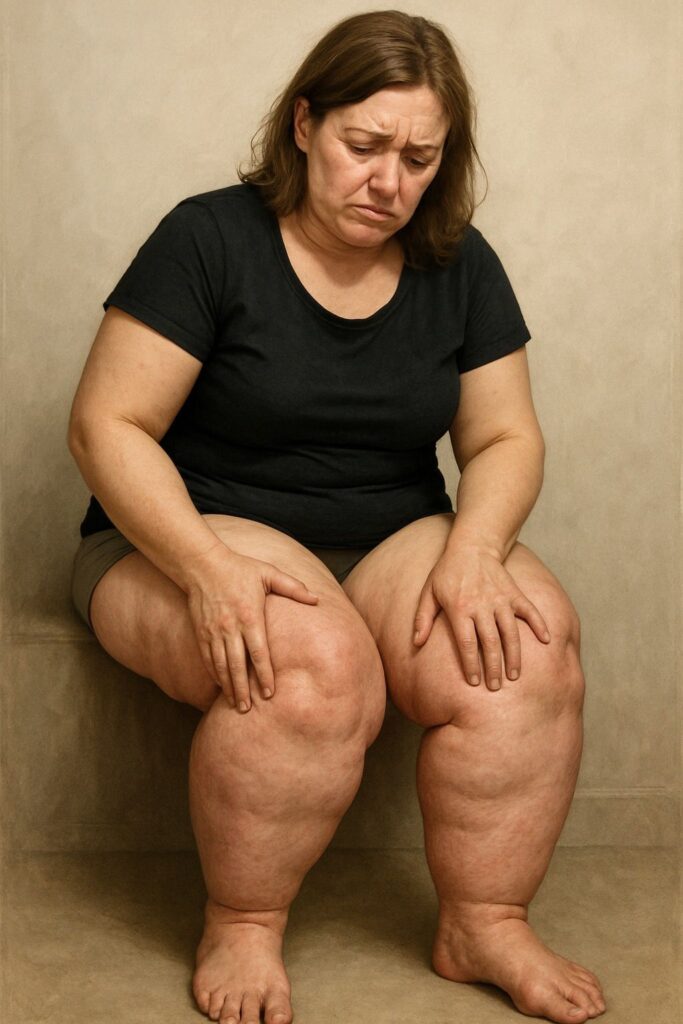
Lipedema and chronic fatigue is a syndrome in which limbs with painful fat deposits frequently coincide with extended energy depletion and post-activity malaise. The connection involves inflammation, lymphatic stress, and hormones that make it difficult to move as well as function throughout the day.
Symptoms usually feature swollen legs, easy bruising, brain fog, and exercise intolerance. Early identification helps inform compression, pacing, nutrition, and medical treatment to alleviate symptoms and maximize quality of life.
The Unseen Link
Lipedema and fatigue go hand in hand, with exhaustion coloring life as much as tissue changes you can see. Lipedema patients describe a chronic energy deficit that extends beyond normal fatigue. This section dissects the primary mechanisms linking the two conditions and illustrates how each can be monitored and controlled.
1. Inflammation
The unseen link: chronic inflammation in lipedema tissues and fatigue. Inflammatory markers like C-reactive protein and cytokines might be up, and research connects more elevated marker levels to worse energy and more malaise. Immune action requires metabolic energy, so there’s less left over for regular muscle and brain activity.
By monitoring symptoms in tandem with either basic blood tests or journal entries during flare-ups, you can identify patterns like greater fatigue following days of elevated swelling or pain. For instance, logging diet, stress, and sleep variations could reveal which variables drive inflammation upward.
2. Pain
Pain is a huge cause of fatigue in patients with lipedema. Lingering pain interrupts sleep, fragments it, and makes even the most mundane tasks seem more difficult. Over time, repeated pain episodes create emotional strain: worry, low mood, and reduced coping energy add to physical tiredness.
Underdiagnosed pain, or pain misdiagnosed as obesity-related, results in ineffective treatments that only compound the fatigue. Documenting pain triggers — standing long, tight clothing, certain movements — helps clinicians customize relief strategies and minimize the strain on everyday energy.
3. Mobility
Restricted range increases the energy prices of basic activities. Even walking, stairs, and standing longer take more effort when tissue is heavy and joints unduly strain. Less activity, in turn, leads to muscle loss and diminished endurance, which intensifies fatigue in a feedback cycle.
Mobility problems restrict social and work engagement, which reduces motivation and can isolate individuals even more. Listing specific barriers, such as stairs at work, unsupportive shoes, and inaccessible transport, allows patients and therapists to focus on changes like assistive devices, mild strength training, or workplace accommodations.
4. Hormones
Hormonal changes tend to exacerbate both lipedema and fatigue. Puberty, pregnancy, peri-menopause, and menopause are typical times when symptoms emerge or worsen. Birth control and hormone shifts can move fluids, fat, and moods around, affecting energy levels more directly.
If you track your cycles, medication changes, and life stages, you can start to predict when fatigue may spike so you can make plans ahead of time.
5. Circulation
Bad lymphatic and blood circulation is ubiquitous in lipedema and connects directly to the feeling of heaviness and sluggishness. Fluid build-up steals the sense of lightness in physical effort. Diminished oxygen delivery to muscles from compromised circulation decreases endurance and accelerates fatigue.
Make an easy table to track daily swelling, activity, and fatigue scores to identify correlations and inform interventions such as compression, elevation, or light movement.
The Mental Weight
Lipedema and chronic fatigue create a constant mental burden that defines existence. The strain to research the condition, seek second opinions, and re-explain to clinicians and family eats time and mental bandwidth. Research shows that people dedicate extensive hours a week to scheduling, insurance appeals, and coordinating care, depleting reserves for work, chores, or a social life. That ongoing background effort becomes its own source of fatigue.
Chronic fatigue alters mood and can result in frustration, anxiety, or depression. Chronic fatigue restricts what you can accomplish in your roles at home and at work. When pain and low energy disrupt sleep, daytime focus and energy decrease even more, amplifying a sense of despair.
Women with lipedema describe a constant, low-grade fatigue that makes even the little things seem big. As time goes on, this grinds down motivation and makes depressive symptoms more likely.
Stigma and misunderstanding provide an additional top coating of stress. Misdiagnosis abounds, and needless therapies are expensive and disheartening. Describing your symptoms over and over again to clinicians or loved ones can feel like reliving the injury, and every dismissal gnaws at trust.
Social reactions that fault weight alone or prescribe lifestyle solutions overlook the condition’s physical foundation and compound stigma. That social friction increases stress and dissuades requesting assistance.
Self-esteem and confidence erode as exhaustion curtails involvement in parts you used to handle without even thinking. Decreased mobility and pain can cause individuals to wither away hobbies, scale back at work, or miss family responsibilities.
Those changes are visible and private at the same time: colleagues may not see the struggle, while friends and family notice withdrawals. This disconnect between expectation and ability encourages self-blame.
These practical identity losses that you’re no longer the active parent, the helpful colleague, or the fit friend impact the way people perceive their value.
Pinpointing what stresses you out that contributes to mental weight assists in regaining some control. Track patterns: which tasks precede a crash, which interactions drain energy, and which self-care steps improve rest.
For instance, medical calls that last too long cause anxiety or that post-long-day’s compression wear relieves pain but adds mental strain. Small actionable moves include scheduling high-focus tasks for when energy peaks, delegating or simplifying chores, setting firm limits on repetitive medical explanations by preparing a short symptom summary, and using templates for insurance paperwork to save time.
Dealing with the mental weight demands care systems that amplify heads-down time by eliminating administrative overhead and personal strategies that guard your precious energy.
A Diagnostic Maze
Lipedema is so frequently under‑diagnosed that countless women suffering from swollen, out‑of‑proportion limbs and fatigue endure years of uncertainty for relief. Misdiagnosis and delayed diagnosis are common as clinicians may observe excess fat and assume straightforward obesity, venous disease, or lymphedema. The presentation varies widely among individuals.
Some have mostly leg involvement, others have arms too, and pain, easy bruising, and a soft nodular feel can differ in degree. This variability makes it more difficult to identify a pattern consistently indicative of lipedema specifically. It shares symptoms with other conditions, so it’s hard to recognize.
Fatigue, joint pain, and brain fog happen in lipedema and in disorders like fibromyalgia, Ehlers-Danlos syndromes (EDS), and myalgic encephalomyelitis/chronic fatigue syndrome (ME/CFS). Hypermobility is common across those conditions and can add confusion. A patient with loose joints, widespread pain, and limb swelling might be routed toward a rheumatology or orthopedics workup instead of a lipedema evaluation.
Some of us experience a precipitous crash after life-saving interventions, a diagnostic maze, such as an MRI, which doctors often misinterpret as a new comorbidity rather than a worsening of an energy-limiting disorder. Diagnoses can be a labyrinth and patients can be tested multiple times before getting answers.
Common routes are blood work, thyroid panels, autoimmune markers, doppler ultrasound for veins, lymphoscintigraphy, and imaging for other structural causes. Many of these tests come back normal or nonspecific, which is frustrating. The prevalence estimates from vascular clinics of 15% to 19% imply that clinicians there may be more likely to encounter lipedema, while the larger-scale population work points to even higher rates in children, specifically 6.5% in a US sample.
This means it’s not rare but simply missed. Create a symptom timeline of the diagnostic odyssey. Record when your limb changes started, how your fatigue waxes and wanes, what triggers flares and any post-procedure crashes. Capture objective shifts like circumference measurements, weight trends and photos over time.
Add to this a family history of similar body shapes, easy bruising, or hyperflexible joints, as genetic ties seem possible though understudied. Document how daily life is affected: mobility limits, stairs avoided, hours lost to rest, and cognitive slips at work. Timelines enable physicians to identify patterns that cross specialties and decrease the likelihood of pursuing isolated test results.
EDS-lipedema link literature is sparse, and diagnosis and integrated care may be a challenge. Clean records and symptom timelines facilitate more helpful referrals and increase the likelihood of an earlier correct diagnosis.
My Energy Bank
Handling energy like a bank account makes exhaustion tangible. Deposit rest, withdraw for tasks, and track balances. There is no energy overdraft! This framing assists with decisions when lead-weighted, aching limbs or chronic swelling render movement expensive. Stubborn fatigue from chronic illness depletes reserves for normal living.
An energy-bank perspective compels real trade-offs and concrete plans.
Energy Audits
- Low Energy Cost:
- Basic care * Skin care * Compression * Dressing
- Friends
- Medium Energy Cost:
- Housework
- High Energy Cost:
- Work
Observe how pain and swelling affect the price on specific days. Cut or outsource high-drain activities when available. Hire help, chore-swap with your partner, and skip nonessential errands.
If delegation isn’t an option, fragment a high-cost task into smaller steps with rests between them. Batch similar activities to save strain. Group all short errands into one trip instead of many.
Batch email, calls, or persistent tasks to minimize repetitive start-up energy. Review the audit weekly to spot patterns: which days are low bank, which activities spike withdrawals, and where deposits (good sleep, gentle movement) actually help.
Keep simple metrics: hours slept, perceived energy 1 to 10, and key activities completed. Record these each day to begin mapping correlations between sleep, swelling, pain levels, and energy balance.
Strategic Rest
Plan breaks before you crash. Short, scheduled breaks keep equilibrium more consistent than waiting until you are drained. Opt for brief, frequent breaks rather than a single extended rest.
Several breaks lasting five to fifteen minutes can be more revitalizing and leave you less tired than a single long nap that interrupts your sleep cycles. Choose restful environments free from distractions: quiet corner, dim light, and soothing temperature.
Control sensory overload by dimming screen glare and noise during your breaks.
- Breath work: Simple paced breathing for five minutes lowers heart rate and eases tension.
- Progressive muscle relaxation involves tensing and releasing groups of muscles to reduce pain-related holding.
- Guided rest: audio scripts or short meditations focused on body awareness to relax stiff limbs.
- Position swaps: Lie down, elevate legs, or recline to reduce swelling and blood pooling.
- Micro-naps: 10 to 20 minutes when sleep debt is present. Avoid long naps late in the day.
Gentle Movement
Add gentle exercise such as walking, swimming, and stretching to keep muscles moving without strain. These moves assist circulation and can reduce lower limb heaviness over time. Light motion saves power so a day of work goes cheaper.
Begin sluggish and build up your own tolerance, not someone else’s timetable. Keep track of movement sessions and record their impact on fatigue in the energy log.
Little, consistent acts of care and movement accumulate to significant shifts in ability and living.
Holistic Management
Lipedema fatigue is multifactorial, so care should address both body and mind together. The objective is to integrate medical treatment, daily habits, and support mechanisms in a scheme that accommodates each individual’s life and requirements.
Nutrition
Anti-inflammatory foods will reduce swelling and provide more stable energy. Concentrate on vegetables, fruits, fatty fish such as salmon, nuts, seeds, and olive oil. Whole grains and legumes contribute slow-burning carbohydrates that keep blood sugar steady.
Limit processed food, refined carbs, and added sugars as they can spike blood sugar and make you more tired later. Packaged snacks, sodas, and white bread bakeries tend to be the usual suspects. Exchange them for whole food snacks like yogurt with fruit or hummus with raw vegetables.
Maintain consistent meal times to stabilize blood sugar and prevent energy crashes. Aim for three well-balanced meals and two light snacks if necessary. Timing is important for those who work out or take glucose-affecting medications.
Employ a trigger-spotting food diary. Track what you consume, how much you consume, when you consume it, and your energy levels post-consumption. Over days or weeks, patterns tend to emerge, such as feeling tired after sugary lunches or bloated after dairy. These patterns then inform small, testable adjustments.
Compression
Compression garments assist in minimizing limb swelling and minimizing tissue fluid that can add excess weight and pain. Swelling reduction frequently translates to less exertion just to get around, so activities seem less daunting and your energy is better preserved throughout the day.
Enhanced circulation through compression can increase energy by reducing the effort the body must make to circulate fluid. Others find they have more endurance on walks with properly fitted compression stockings or tights.
Fit counts. Too tight can be painful or inhibiting motion. Too loose provides minimal assistance. Whenever possible, get measured by a trained fitter and check pressure grades appropriate for lipedema instead of general compression for varicose veins.
Track symptoms while using compression: note fatigue, pain, and mobility before starting and then after one, two, and four weeks. Small cogs indicate if a particular clothing or wearing regimen is beneficial.
Manual Therapies
Based on the principles of Manual lymphatic drainage (MLD) and therapeutic massage, these treatments focus on excess fluid and tissue tightness to relieve pressure that can trigger pain and inhibit movement. Sessions target safe, gentle strokes that stimulate lymph circulation and alleviate stiffness.
These therapies can reduce pain and increase mobility, which frequently results in reduced energy efforts on fundamental tasks. Improved mobility allows for more movement, which breaks the cycle of deconditioning and tiredness.
Schedule sessions for sustainable impact. Most people discover that every one to two weeks is the sweet consistency. Home self-care techniques, coached by a therapist, can help you stretch the improvements between appointments.
Monitor fatigue before and after therapy to assess effect. Record energy levels, pain, and sleep for several days around each session to capture short and mid-term changes.
Future Research
Future research needs to determine precisely how lipedema and chronic fatigue connect and what this means for treatment and policy. Research needs to go beyond small, local samples and gather bigger, more diverse cohorts that span under-represented regions. Research is stymied in Czechia by the absence of a national registry, which would allow researchers to measure actual prevalence, track outcomes, and recruit participants for longitudinal studies.
With larger samples, it may be possible to disentangle the effects of age, BMI, hormonal history, and comorbid pain disorders such as fibromyalgia or CFS. Gaps in knowledge about the biological mechanisms that may drive fatigue in individuals with lipedema exist. Work should investigate local tissue alterations, lymphatic function, microvascular flow, inflammatory marker profiles, and neural pain pathways to identify which best correlate with fatigue and activity restriction.
Endocrine factors merit particular attention as numerous women note initial lipedema symptoms at puberty or pregnancy. Targeted hormone panels and time-course studies could test if hormonal shifts trigger fat deposition, fluid retention, or metabolic changes that cause fatigue. Good measurement and clinical trials are needed to develop targeted treatments for lipedema-related fatigue.
A uniform, validated symptom instrument derived from the tool used in the recent studies would enable physicians and investigators to compare findings between locations and across time. Trials should test manual lymphatic drainage, compression approaches, tailored exercise plans, and pharmacologic options with fatigue as a primary outcome, not just pain or limb volume. Trial design examples might be randomized controlled trials comparing manual lymphatic drainage and exercise versus exercise alone or crossover studies measuring day-to-day energy levels using wearable activity monitors.
Mental health links require sturdier data. Research must chart depressive symptoms against somatic factors to determine how much tiredness serves as a bridge between mood and function. In Czechia and beyond, targeted surveys and interviews could measure how symptom burden, social stigma, and access to care correlate with depression.
Mixed-methods work will help explain why some people say they are so tired, even though their limb changes are pretty mild, while others stay active even in the face of more severe lipedema. Research priorities include creating registries, standardizing symptom tools, enrolling larger samples, testing hormonal and inflammatory pathways, and running treatment trials with fatigue endpoints. Collaboration across centers and disciplines will speed progress and produce findings that can guide real care changes.
| Unanswered question | Why it matters | Suggested method |
|---|---|---|
| Prevalence in Czechia | Guides policy, service planning | National registry, population survey |
| Biological drivers of fatigue | Targets treatments | Biomarker panels, imaging, biopsies |
| Hormonal triggers | Prevention and timing of care | Longitudinal hormonal studies |
| Best therapy for fatigue | Improves quality of life | RCTs with fatigue outcomes |
| Link to depression | Holistic care models | Mixed‑methods cohort studies |
Conclusion
Lipedema and chronic fatigue go hand in hand. The swelling, the pain, the limited motion — they all sap energy. Mood shifts and sleep gaps compound the stress. Clear tests and a diagnosis of savage breast cancer help point to the right care. Pacing, light strength work, and good sleep conserve energy. Compression, gentle lymph care, and calorie-smart meals alleviate symptoms. Consult with a physician, a physiotherapist, and a therapist for combined care. Little, consistent increments deliver actual transformation. For instance, swap one long walk for two short walks with rest. Or trade a muscle-sapping grocery run for carefully curated online orders and premeditated lifts.
Locate a nearby clinic or support group. Assign yourself one small goal this week and keep a record. Hang in there and continue to inquire.
Frequently Asked Questions
What is the connection between lipedema and chronic fatigue?
Lipedema can cause chronic fatigue and exhaustion through pain, inflammation, edema, and the additional energy required to move. These factors combine to make even simple tasks more exhausting and deplete your energy.
How common is fatigue in people with lipedema?
Fatigue is a common symptom for individuals experiencing lipedema. Many of them list ongoing low energy, despite sleeping enough. It is hard to find exact rates, but clinical reports and patient surveys alike mark high prevalence.
Can treating lipedema reduce chronic fatigue?
Once you treat lipedema, the fatigue often dissipates. Pain control, compression, manual lymphatic drainage, and getting moving can increase energy and function day to day. Individual results will vary depending on the stage of the disease.
What diagnostic steps connect fatigue to lipedema?
Clinicians evaluate symptoms, physical exam, history, and exclude other causes such as anemia, thyroid disease, or sleep disorders. Imaging or specialist referral may then follow to verify lipedema and associated factors in fatigue.
Which lifestyle changes help manage fatigue from lipedema?
Light, consistent exercise, an anti-inflammatory diet, proper sleep, weight control, and pacing all assist. Small consistent changes frequently return the biggest energy boosts.
Are there medications that treat fatigue in lipedema?
There is no drug targeting lipedema-related fatigue. Medications can address pain, inflammation, or any underlying conditions. A plan from a clinician tailored to your individual situation is the safest route.
What research is needed on lipedema and chronic fatigue?
We require bigger studies on causes and effective treatments and biological mechanisms connecting lipedema to fatigue. Improved diagnostics and long-term trials of combined treatments would enhance management.
Think you might have lipedema?
Book a free 30-minute video consultation with our team. We’ll review your symptoms and give you an honest stage and plan — no pressure, no obligation.
Book Free Consult →