
Lipedema Support Network

Key Takeaways
- Support groups provide emotional validation and diminish isolation by surrounding you with others who ‘get’ lipedema. This enhances mental health and day-to-day coping.
- Peer communities provide actionable information about diet, exercise, lymphatic care, mobility tools, and treatment options in your area that you can try and modify for your schedule.
- They provide assistance with medical navigation by exchanging advice on how to talk to clinicians, how to prepare for appointments, and how to handle insurance and documentation.
- By joining established online and local groups, you open yourself to wider access to evidence-based resources, live events, and outreach from organizations like the Lipedema Foundation.
- Vet groups before joining. Review their guidelines and privacy policies. See if members are actively discussing issues you are facing. Look for trustworthy, up-to-date information.
- Engage, monitor, and share group learnings with your care team to customize treatment and advance advocacy and research.
Lipedema support groups are peer-led communities where individuals with the condition exchange experiences, resources, and strategies. They provide emotional support and practical advice on swelling care, compression options, and routes to medical assistance.
Groups meet online or in person and differ in size, emphasis, and moderation. Being part of a group helps members feel less isolated and prioritize self-care while leading them to research-backed treatment and nearby experts.
Understanding Lipedema
Seriously, lipedema is a fat disorder that affects women and causes disproportionate fat accumulation in the legs and sometimes arms. It is different from obesity and classic lymphedema, yet frequently confused with both. Early identification directs treatment and enhances quality of life with specific plans that combat discomfort, movement, and swelling.
Trusted resources include the Lipedema Foundation, lipedema.net, and lipedema.com for patient education and research.
The Cause
It frequently is hereditary and it has been linked to a connective tissue disorder that impacts fat cells. Scientists are investigating certain genes and trends, but no lone genetic cause has been verified. Hormonal changes occur with onset or worsening at puberty, pregnancy, or menopause.
These transitions can alter fat distribution and fluid processing. There’s no cure. Current research by organizations such as the Lipedema Foundation examines cellular alterations, inflammation, and lymphatic factors. Inflammation and relative lymphatic system injury are believed to fuel progression in numerous individuals, resulting in fibrosis and long-term pain.
Treatments are about managing these processes, not wiping them out.
The Symptoms
| Symptom or sign | Lipedema | Obesity | Lymphedema |
|---|---|---|---|
| Symmetric fat on legs/arms | Yes | Often uneven | May be asymmetric |
| Diet/exercise resistance | Yes | No (usually responds) | Variable |
| Pitting edema | No (early) | No | Yes |
| Pain and tenderness | Common | Less common | Variable |
| Stemmer sign (skin fold) | Negative | Negative | Often positive |
Lipedema fat does not respond to diet and exercise, which differentiates it from obesity. Patients describe a heavy, aching sensation, bruising with very little trauma, and pain to pressure.
These physical symptoms can restrict walking, standing, and other movements. Chronic pain and diminished mobility may cause decreased activity, further exacerbating the complexities of managing weight and maintaining health.
The Impact
Lipedema can be isolating and baffling. People tell me they’ve experienced late diagnosis and mistreatment. Emotional impacts include low self-esteem, low energy, and depression.
Some develop disordered eating or hopelessness. Life is impacted through clothing fit, restrictions in sports and activities, and planning for comfort and accommodations.
Financial and logistical burdens are real. Compression garments, therapy sessions, lipedema-aware physiotherapy, and surgical options like liposuction add cost and travel.
With practical tips, local provider recommendations, and emotional backing, a community has your back. Every body is different; there’s no one plan that fits all.
The Power of Community
Support groups are a central lifeline for individuals with lipedema, providing actionable advice, communal wisdom, and psychological stability. Here’s a quick rundown of active clubs and what they provide in layman’s terms.
- Lipedema Tribe Community includes peer-led forums, moderated Q&A, monthly webinars with clinicians, and a resource library.
- Facebook groups (various regional and language-based groups) provide real-time peer support, local meetup coordination, and experience threads on surgery and conservative care.
- community.lipedema.com: structured discussion boards, treatment directories, vetted clinician lists, private messaging.
- Lipedema Foundation / Lipedema Project networks: advocacy toolkits, research updates, fundraising campaigns, educational webinars.
1. Emotional Validation
Support groups provide a safe space to speak up about how you feel and to be listened to. When we tell our stories, others discover that they’re not alone in their trials and the isolation dissolves. Hearing other people’s experiences normalizes your reactions to chronic pain, mobility shifts, and body image.
Live meetings and online forums provide moments of real-time empathy and fast encouragement spikes. Members frequently exchange stress, sleep, and anxiety coping skills that help construct manageable daily habits.
2. Practical Advice
Groups share practical advice on nutrition, fitness, and lymphatic self-care. Members share discussions on low-inflammatory meal ideas, safe strength workouts, and manual lymphatic drainage that fit into daily life.
Practical tips address mobility aids, skin care to avoid infections, and at-home pain management routines. PSA: People share on local clinics, therapists, and surgeons, sharing names, contacts, and what to expect.
Create a checklist from these shared notes: diet changes, referral contacts, equipment needs, and follow-up steps after procedures.
3. Medical Navigation
Forums teach members how to speak to doctors and what questions to ask. Members post templates for insurance appeals, examples of medical necessity letters and common coverage pitfalls.
Advice on how to prep for surgical consults, which tests to request, and how to track your symptom progress for follow-up care. Leverage group insights to create a customized plan that aligns medical choices, budget constraints, and lifestyle requirements.
4. Advocacy Strength
Groups combine voices to advocate for additional research, awareness, and legislation. Coordinated campaigns and patient narratives can impact funding and awareness.
The Lipedema Foundation and Lipedema Project spearhead science updates and educational outreach, with members frequently participating in drives or sharing materials that define care norms. Adding personal stories can change public perspective and physician behavior.
5. Reduced Isolation
Frequent connection with others reduces isolation and creates connection. Instagram and YouTube provide continuous tips and visual direction, while virtual or in-person meetups deepen connections.
Robust communities provide individuals a sense of affirmation, access to opportunities, and enable consistent learning and development.
Finding Your Group
Discovering your tribe can provide tangible assistance and a consistent feeling of community. The right group provides common experience, practical advice, and psychological support. Here’s a quick list of big locations to search and groups to explore.
- Major online communities: Facebook groups (Lipedema UK groups, Lipedema Warriors), community.lipedema.com, Reddit lipedema forums, Instagram pages run by clinicians and advocates.
- Local chapters include regional Lipedema Foundation chapters, community health centers, hospital-based support groups, and clinic-affiliated meetup groups.
- Specialized groups include Lipedema Simplified forums, Lipedema Pump Group, groups for post-liposuction care, prenatal lipedema groups, and lymphatic physiotherapy meetups.
- Tribe membership sites and patient networks are paid membership sites that offer structured courses, moderated forums, resource libraries, and clinician Q&A sessions.
- Suggested comparison table columns: group name, format (online/in-person), cost, moderation level, typical topics, meeting frequency, accessibility (time zones, language), member size, evidence-based resources.
Online Spaces
Online groups can easily extend across borders and time zones. Facebook groups and community.lipedema.com have big member bases. Instagram pages post quick tips, workout clips, and patient testimonials. Formats vary: threaded forums for deep posts, live Q&A sessions with clinicians, webinars on treatment options, and real-time support chats for urgent questions.
Lipedema Simplified and the Lipedema Pump Group both address specific issues—surgical recovery, compression therapy, or workout plans—which is helpful if you’re seeking targeted advice. Subscribe to newsletters and follow trusted influencers and clinicians to receive regular updates and curated educational content. Numerous members say that regular online interaction eases loneliness and helps them stay inspired.
Local Chapters
If you go with one of the in-person groups, there are hands-on workshops, guided exercises, and therapist-led sessions. Some clinics, wellness centers, and yoga studios host lipedema-focused meetups where you can test compression garments or lymphatic massage under guided supervision.
Small local groups are perfect for shared walks, group physio, or cook meets to sustain diet plans. To locate or launch a chapter, reach out to the Lipedema Foundation, nearby advocacy groups, or hospitals, and promote at clinics and community boards for members. Local contacts assist you in forging a group that matches your timing and values, which facilitates enduring interest and actionable support.
Vetting Quality
Checklist: clear group rules, active moderation, privacy protections, presence of clinicians or vetted resources, recent activity, and member testimonials. Read some group guidelines and privacy statements before you join. Seek out science-backed posts, citations to research, and directions to doctors, not miracle cures.
Review how often people post and how responsive they are. A quiet group is unlikely to satisfy your ongoing needs. Trust your judgment. Choose groups that match your goals and values for safety and sustained benefit.
Beyond the Diagnosis
Lipedema transforms life in ways that are about more than swelling. Pain, limited mobility, and skin sensitivities unnerve life and work. Lipedema patients frequently feel isolated or invalidated as numerous healthcare providers continue to overlook or incorrectly diagnose the disease. Lifelong learning and community connections fill those voids and provide actionable coping strategies.
Continue your lipedema education. Stay on top of new research, treatment updates and management strategies from reputable sources including peer-reviewed journals, specialist clinics and patient advocacy groups. Cover research on conservative treatments such as compression, manual lymphatic drainage, low-impact exercise, and nutrition along with surgical options like liposuction for lipedema.
Notice how study populations, methodologies, and duration of follow-up influence results. Employ metric measures, weighing in kilos and limbs in centimeters, to benchmark results and monitor your own evolution. Try to attend webinars and conferences when you can and subscribe to newsletters from established research centers to receive pithy summaries.
Participate in the lipedema community. Get involved with support groups, professional forums, or supervised exercise groups either locally or online. Practical tips on clothing, mobility aids, pain management, and finding clinicians who understand lipedema can be invaluable.
Offer clear examples: a member who found a physiotherapist skilled in lymphatic care and another who tested different compression brands to find one that fits during hot months. Being proactive exposes you to alternatives others experimented with, so you can steer clear of cul-de-sacs and lost years.
Adjust treatments as symptoms change. Lipedema may progress with age, hormonal changes, or fluctuations in weight. Check in on goals with your care team every 3 to 6 months or after any obvious shift in symptoms. Modify conservative options pre and post surgery, and design rehab stages.
Record how pain and function react to these adjustments. Use basic logs for medications, compression use, exercise, and symptom scores in centimeters or numeric pain scales. It simplifies trend spotting for clinicians, enabling them to easily pivot care.
Record and publish your experience. Maintain photos, measurement charts, and a few notes on treatments, side effects, and daily activity levels. By sharing these records with peers or clinicians, others learn and care referrals can be improved.
Tales defy seclusion, reveal the unpredictable path of lipedema, and can inspire research engagement. Camaraderie diminishes worry and self-doubt and provides realistic optimism when interventions seem limited.
Healthcare Collaboration
Healthcare collaboration refers to healthcare professionals collaborating to exchange information, share expertise, and coordinate patient care. For lipedema patients, this collaborative team approach can often produce improved results and more actionable treatment plans. This team often consists of primary care practitioners, vascular specialists, lymphologists, plastic or reconstructive surgeons, physical therapists, certified lymphedema therapists, dietitians or nutritionists, pain management specialists, and mental health professionals. Each role fills a gap.
Physicians diagnose and rule out similar conditions. Surgeons evaluate procedural options. Therapists guide manual lymph drainage and compression therapy. Nutritionists help manage weight and inflammation with realistic, evidence-based plans.
Forming that team begins with transparent communication. Patients and clinicians need to have common goals, boundaries, and anticipated results. Clinicians must articulate the why of tests and options in everyday language. Patients benefit from preparing for visits with prioritized questions, symptom logs, and a list of treatments tried.
Bringing notes or summaries from support group discussions can help clinicians see patterns across the many lived experiences that individual consultations might miss. For instance, a patient documenting lowered pain with a certain compression garment or low-carb method can encourage a doctor to modify a care plan or recommend a supervised experiment.
Support groups provide a conduit between real life and treatment. They motivate patients to pull insights from group discussions into appointments. When are symptoms worst? What interventions have they responded to? Which device brands actually work? Clinicians can then test these observations, transforming anecdote to data.
That exchange helps make decisions more informed and tailored. It builds mutual respect: patients feel heard and clinicians gain practical leads that may speed problem solving.
Collaboration outside clinic walls is also essential. Clinicians and researchers can join forces with support groups and patients to add to registries and studies. By enrolling in a lipedema registry or agreeing to share de-identified data, you contribute to incidence, outcome, and treatment effectiveness research.
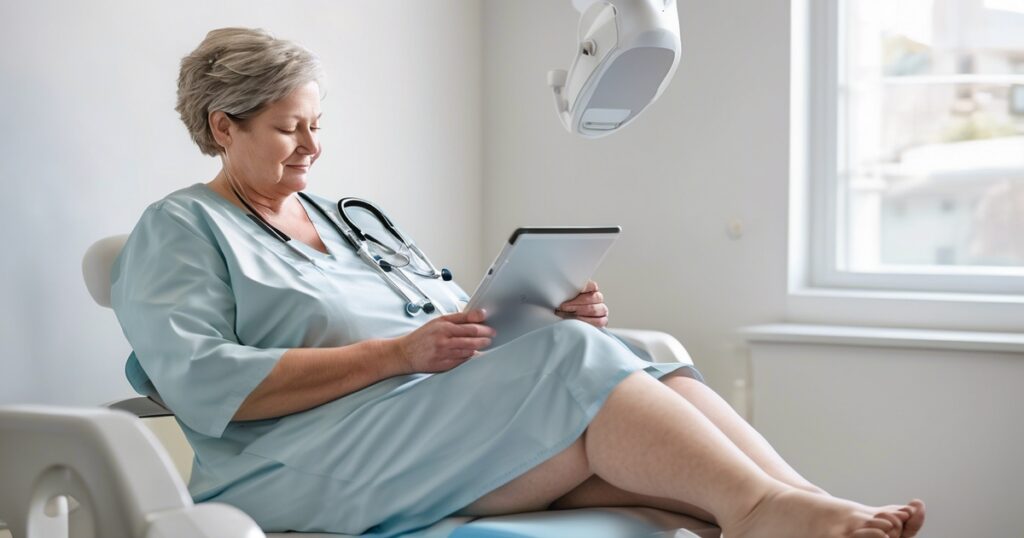
Online portals, forums, and even moderated social media groups simplify the process of connecting geographically dispersed professionals and patients. Virtual case conferences, webinars, and shared resource libraries can disseminate best practices rapidly and close care gaps.
Successful collaboration requires engagement, respect, and openness to contribute expertise. When teams embrace these principles and leverage technology to link together, care becomes more accessible and clinical guidelines advance more rapidly.
Future of Support
I expect support for people with lipedema to continue to expand and deepen as online communities, research, and clinical guidelines develop. Expanded virtual communities will ease peer contact across borders, allowing people to join groups that suit their language, age, or treatment objectives. Global forums, dedicated social channels, and moderated groups, such as the Lipedema Education Group, provide opportunities to exchange day-to-day tips, coping mechanisms, and practical advice on compression, movement, and pain management.
These platforms can facilitate regional meetups and connect members to local resources, assisting those in regions with limited in-person options. Telemedicine and other technologies will disrupt the way group learning and access to experts occurs. Clinicians can give talks, demonstrate self-care, or lead guided exercise for members who cannot travel, all via video-based group sessions.
VR and other immersive tools could replicate hands-on workshops, demonstrating how to fit compression garments or perform guided lymphatic massage in a virtual environment. Convenient tech, including scheduled webinars and secure chat, enables patients to inquire and revisit recorded content at a later time. They help to level access where experts are limited as they foster continued community learning.
By increasing advocacy and research involvement, we can build community impact. The Lipedema Foundation’s Registry First Look (2022) revealed varied lived experiences and highlights research questions important to patients. As more members share data and participate in studies, groups can assist in guiding study design and outcome measures to ensure research remains valuable.
The 2021 US SOC publication on PubMed and national best practice guidelines in a few countries provide patient groups with evidence to reference in advocacy efforts. These types of community-driven campaigns can advocate for better clinical training, insurance coverage, and earlier diagnosis. Education and pediatric care will diversify in support communities.
We’re developing a Best Practice Guide for Lipedema Treatment in Youth, which will give parents and clinicians clear guidance on early identification and treatment. Support groups could become centers to disseminate these guides, conduct Q&A sessions with pediatric experts, and develop resources geared toward kids and teens.
Keeping members engaged will be key. Frequent group updates on new research, press, and guideline changes empower members to make informed decisions. The Lipedema Foundation’s update of Overcoming the Emotional Challenges of Lymphedema highlights how member input guides resource tweaks.
Exposure in places like The Guardian, ELLE, and Time informs the public and invites new members who contribute additional voices to research and advocacy. By participating in studies, learning from webinars, and contributing lived experience, you can make a direct impact on care and policy both locally and globally.
Conclusion
Lipedema support groups provide concrete, undeniable assistance. They connect individuals through shared experience, local gatherings and online forums. Members exchange advice on pain relief, compression, dieting modifications and locating knowledgeable physicians. Groups reduce isolation and accelerate access to helpful care tips. Local clinics, PTs and surgeons often liaise with these groups to coordinate care and disseminate trials and events. Peer stories inform decisions and establish doable objectives. As far as next steps, select a local group or an online forum. Give one meeting a shot and see what sticks. Come with an open mind and take what works best for you. Get consistent support and actionable tools. Find a group today.
Frequently Asked Questions
What is a lipedema support group and who should join?
A lipedema support group is a community of patients, caregivers, and even clinicians at times. Whether you have lipedema, suspect it, or are a supporter of one, join to exchange experiences, resources, and coping strategies.
How do support groups help with symptom management?
Groups exchange compression, exercise, dietary, and pain coping hacks. They trade trusted resources and tried and true personal schedules to help bring more comfort and mobility to each day.
Where can I find reputable lipedema support groups?
Search for national health organizations, hospital-based groups and well-established patient advocacy nonprofits. Screen group leaders’ credentials and examine member reviews prior to joining online communities.
Are online groups as effective as in-person meetings?
Yes. Online groups provide broader reach, convenient scheduling, and varied viewpoints. In-person groups bring added benefits of hands-on demonstrations and local referrals. Select what suits you and what you’re comfortable with.
How do support groups collaborate with healthcare providers?
Many groups invite clinicians for Q&A, share evidence-based materials, and recommend specialists. They can assist you in preparing for appointments and fighting for suitable treatment options.
Can support groups help with finding treatment options and specialists?
Yes. Members frequently swap referrals to expert clinicians, surgical centers, and multidisciplinary teams. Use collective advice as a springboard and cross-check qualifications on your own.
What should I expect when joining my first meeting?
Anticipate intros, stories and pragmatic inquiries. Meetings can be organized or casual. Join us on the call, listen in, ask questions or share as you feel comfortable.
Think you might have lipedema?
Book a free 30-minute video consultation with our team. We’ll review your symptoms and give you an honest stage and plan — no pressure, no obligation.
Book Free Consult →