
Lipedema and Hormone Replacement Therapy: Estrogen, Risks, and Management
Key Takeaways
- Hormonal fluctuations, particularly involving estrogen, can initiate or exacerbate lipedema by influencing fat tissue dynamics. Tracking hormone trends alongside fat deposition is key.
- Hormone replacement therapy can alleviate menopausal symptoms and promote bone and metabolic health. Balance these advantages with the risk for exacerbated estrogen-fueled fat deposition in lipedema.
- Be careful with HRT formulation and route, as transdermal, oral, and different estrogens may have differential effects on estrogen receptor activation and fat responses.
- Monitor symptoms and objective evidence of progression, such as new fat nodules or increasing limb heaviness, and modify HRT treatments swiftly if deterioration occurs.
- Customize care by integrating hormone profiles, receptor status, and metabolic signatures with patient objectives to mitigate risk and maximize outcomes.
- Employ multidisciplinary tactics beyond hormones such as nutrition, exercise, compression, and anti-inflammatory methods. Collect patient-reported outcomes to direct treatment.
Lipedema and HRT is about how hormones impact a chronic fat disorder that mostly impacts women. Studies connect estrogen and progesterone to shifts in fat, pain, and swelling.
Clinical reports observe symptom changes following initiation or discontinuation of therapy, but findings are inconsistent across dosage and formulation. The body of the post summarizes mechanistic evidence and clinical pearls for both patients and clinicians.
Hormonal Triggers
Hormonal shifts shape when and how lipedema appears and worsens. Estrogen stands out because it helps set how fat is stored and used. Many people with lipedema say their symptoms began at puberty, during pregnancy, while breastfeeding, or after they started hormonal birth control or hormone therapy. These patterns point to a direct link between changing sex hormones and abnormal fat growth.
Estrogen fluctuations can initiate or worsen excess adipose tissue seen in lipedema. Estrogen affects enzymes and proteins that control fat storage, blood flow, and small-vessel health. When estrogen levels rise or fall, fat cells in the legs and hips may grow in size or number rather than shrink. This can look like disproportionate fat gain in the limbs while the trunk stays relatively stable.
The rare cases of lipedema reported in men hint that sex hormones play a role, either through altered local estrogen signaling or other hormone imbalances. Estrogen signaling and receptor balance are central to adipose dysfunction. Fat tissue has estrogen receptors (ERα and ERβ), and the relative activity of these receptors can push cells toward healthy or pathological behavior.
An imbalance, for example, higher signaling through one receptor subtype, can promote pathological adipogenesis, inflammation, and poor lymphatic function. Genetic studies implicate variants in genes that control sex hormone levels and cellular responses to estrogen, suggesting some people inherit a higher sensitivity to hormonal shifts. This can help explain family clusters and why some people develop lipedema during the same life stages as relatives.
Puberty, pregnancy, and menopause are milestones that alter adipose metabolism. Puberty introduces continued surges of estrogen that tend to align with initial manifestations of lipedema. Pregnancy combines high estrogen with other hormones and fluid shifts that can magnify fat storage and bloating. Menopause causes estrogen to drop, which can alter fat distribution and sometimes aggravate pain or fluid retention.
Longitudinal studies following people with lipedema family histories through these transitions would clarify timing and risk and could identify windows for monitoring or early intervention. Monitoring hormone levels and patterns of fat gain is clinically useful. Regular assessments during hormonal changes, including lab tests for estradiol, progesterone, and related markers, and careful body mapping of fat and symptoms, help link hormonal events to disease course.
Research into sex-hormone pathways may refine diagnosis, show which tissues respond abnormally, and guide treatments such as tailored hormone replacement or receptor-targeted strategies.
HRT’s Dual Role
HRT can mitigate menopausal symptoms while serving as a trigger in estrogen-sensitive fat deposits in lipedema. This creates a dual, sometimes opposing effect: improved systemic symptoms versus potential local changes in fat biology. The subsequent subsections dissect symptom benefits, progression risks, formulation differences, receptor mechanisms, and the clinical evidence informing practice.
1. Symptom Relief
HRT commonly reduces hot flashes, night sweats, sleep disruption, and mood swings. These gains often translate to better daily function for people with lipedema who face menopausal changes. Improved sleep and mood can make it easier to stay active and adhere to self-care, which indirectly helps manage lipedema symptoms.
Estrogen therapy helps preserve bone mineral density and supports metabolic balance during the menopausal transition, lowering fracture risk and helping glucose and lipid regulation.
Symptom relief from HRT should not be assumed to improve local lipedema signs such as disproportionate pain, easy bruising, or swelling. Reports vary and some patients note no change or worse local discomfort. Track changes in a simple checklist or table that records systemic symptoms, limb pain, heaviness, and tissue texture before and after HRT to judge real-world benefit.
2. Progression Concerns
HRT may stimulate adipose tissue growth in sensitive individuals, potentially increasing subcutaneous fat deposition in areas affected by lipedema. Excess estrogen exposure has been linked to impaired lipid mobilization and larger fat cell size in some studies, which could worsen limb heaviness and nodularity.
Watch for new fat nodules, rising limb circumference, worsening tenderness, or more frequent bruising while on HRT. If signs of accelerated progression appear, adjust the dose, change the formulation, or pause therapy. Use stepwise changes and reassess with objective measures like limb volume or photography.
3. Formulation Matters
Transdermal estradiol tends to produce stable serum levels and lower clot risk compared to oral estrogen. This route may be preferable for many with lipedema. Bioidentical estradiol acts differently than synthetic or conjugated forms and is reportedly less pro-adipogenic signaling in some reports.
Route and combination with progesterone influence local versus systemic activation and hence adipose response. Create a table comparing transdermal, oral, and combined HRT, their clot risk, steadiness of levels, and reported effect on fat to choose.
4. Receptor Interaction
ERα and ERβ drive different adipocyte programs. Imbalances in lipedema tissue seem to be common and can tilt fat toward inflammation, fibrosis, and excess growth. HRT can alter receptor activation and the local balance shift, affecting fat cell differentiation and lipid processing.
HRT itself plays a dual role. Custom approaches focus on receptor status and symptom trade-offs.
5. Clinical Evidence
Data is still scarce, with certain groups experiencing a decline with HRT and others experiencing an overall quality of life benefit. Menopause has the potential to be a tipping point in lipedema, and low dose HRT might mitigate systemic decline without causing major adipose damage if monitored carefully.
HRT serves as both a symptom treatment and potential disease prevention.
Navigating Menopause
Menopause presents unique challenges for individuals with lipedema. Menopause is officially one point in time: 12 months after a woman’s last period. Around that change, they observe quicker fat accumulation in the legs or arms, more end-of-day heaviness, increased tenderness, easier bruising, and swelling that surges with heat, travel, stress, or sleep.
For lipedema warriors, these changes frequently translate into increased physical progression of disease and increased daily restrictions on comfort and movement. Menopausal estrogen decline and endocrine instability can exacerbate adipose tissue dysfunction. Hormone drops switch receptor expression in fat, so shifts in estrogen receptor alpha versus beta behavior change cells.
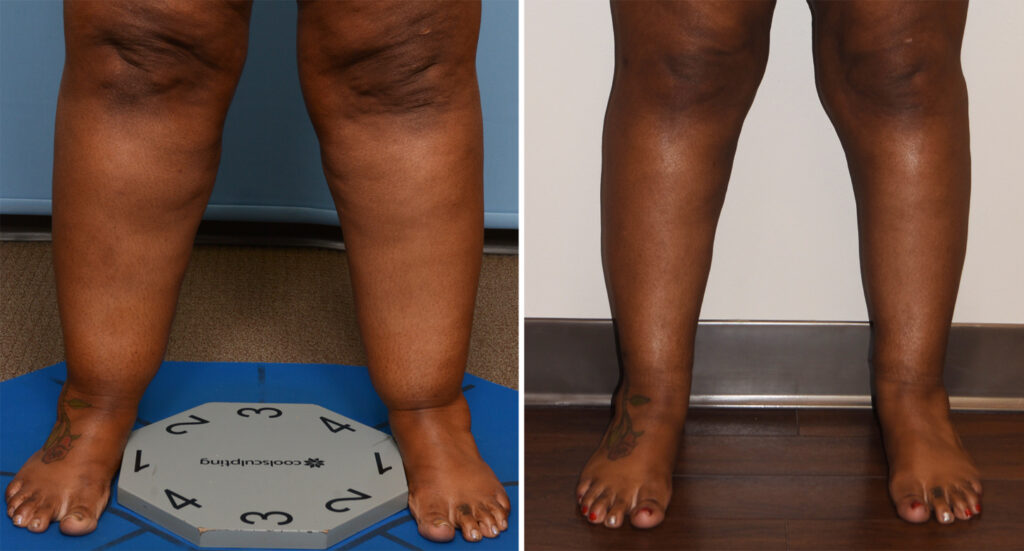
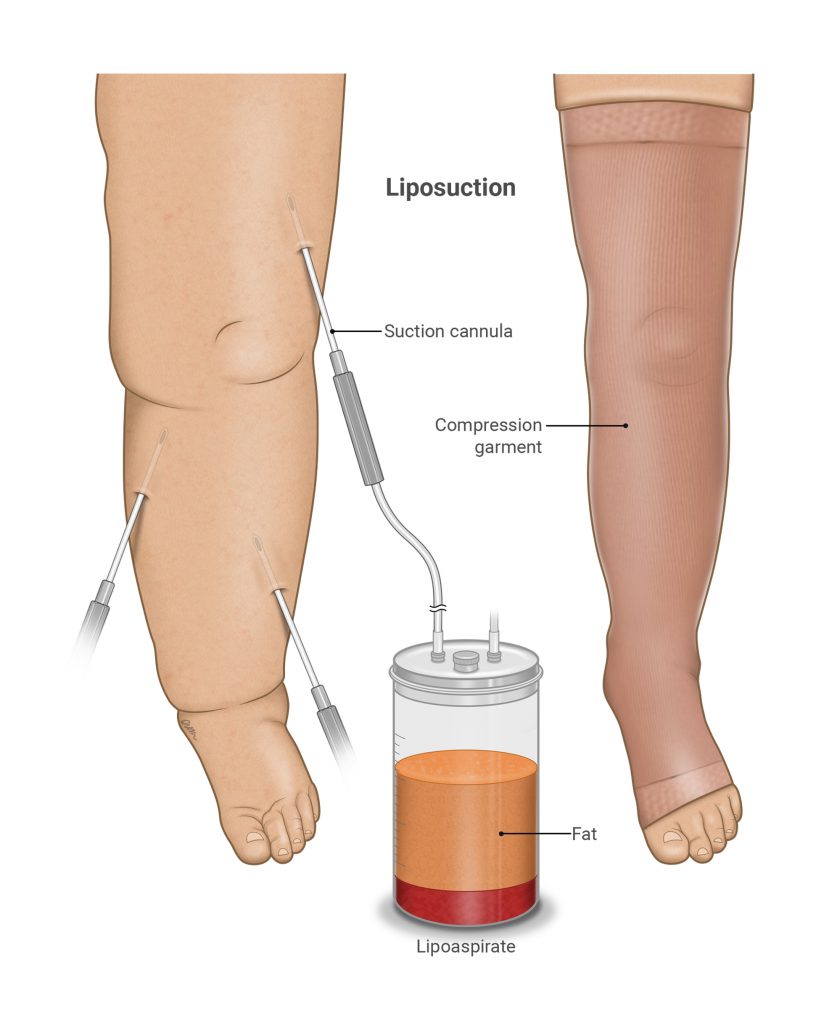
This can increase local inflammation, decrease lipolysis, and cause lipedema fat to resist traditional weight loss. Lipedema fat is resistant to traditional weight loss strategies even if your overall body fat changes and often necessitates specialized treatments like lymphatic-sparing liposuction or manual lipedema extraction. Coexisting issues, such as thyroid dysfunction, hypertension, nutrient deficiencies, and mood disorders, are common and impact treatment decisions and results.
Proactive tracking helps direct timely intervention. Track menopausal symptoms, menstrual history, and a simple set of measures: weight, limb circumference, skin changes, and symptom diaries noting triggers like heat or long travel. Periodic lab work for hormones, thyroid, fasting glucose, lipids, and key vitamins can reveal treatable problems.
Use these statistics to inform personalized action plans with doctors familiar with lipedema and menopause interactions.
Practical strategies for managing menopausal changes and lipedema include:
- Compression wear and timing — Use graduated compression during walks, long standing, or travel to minimize swelling and heaviness. Lighter compression might be best for sleep, and stronger for activity during the day. Test fit and fabric to prevent skin injuries.
- Motion and pacing — Engage in low-impact exercise such as walking, swimming or cycling to support circulation while sparing joints. Break activity into short bouts to reduce end-of-day swelling.
- Fuel for calm metabolism — Follow a balanced plate with protein at each meal, non-starchy vegetables, fiber-rich carbohydrates and healthy fats to support adipose metabolism and blunt big insulin swings. Think about collaborating with a dietitian for personalized strategies.
- Sleep, stress, and triggers — Enhance your sleep hygiene and apply stress reduction methods. Heat, loss of sleep, and stress tend to exacerbate swelling and tenderness.
- Medical and surgical review — Hormone replacement, thyroid and blood pressure control with providers, and discuss specialist options like lymphatic-sparing liposuction when conservative measures fail.
- Multidisciplinary support — Involve physical therapists, lymphatic therapists, mental health professionals, and nutritionists to address comorbidities and ease anxiety or depression that can make symptoms worse.
A Personalized Approach
A personalized approach tailors care to each individual’s distinctive biology, life context, and ambitions. For lipedema and hormone replacement therapy (HRT), this means moving beyond one-size-fits-all protocols and building plans from measured data, including hormone panels, body composition, clinical signs, genetics, and patient priorities. Studies show improved results and compliance when care is customized.
In lipedema, symptoms tend to appear around puberty, pregnancy, or initiating hormonal birth control, so reproductive history and menstrual cycle habits are important factors. Individualized hormone profiles and customized HRT regimens need to start with specific testing. Measure estradiol, progesterone, testosterone, SHBG, and metabolites in relation to the menstrual cycle in premenopausal patients.
Evaluate estrogen receptor expression when feasible and take into account imaging or biopsy information if accessible to gain insights into the local adipose tissue biology. They have the potential to help personalize HRT by matching type and dose to tissue sensitivity. For example, transdermal estradiol may produce steadier peripheral effects than oral estrogens and can be selected if liver first-pass metabolism exacerbates fluid retention.
Evaluate hormonal sensitivity, fat distribution, and metabolic destination as a package. Map lipedema fat patterning with clinical measures or easy circumference charts to spot where lipedema fat accumulates. Screen insulin resistance, thyroid dysfunction, and inflammatory markers. If a patient presents with central insulin resistance and progressive limb adiposity, focus on metabolic targets.
Improve insulin sensitivity with lifestyle, select HRT that least impacts glucose metabolism, and monitor weight and glycemic markers closely. Integrate genetic, biochemical, and clinical data to guide risk-benefit decisions. Genetic variants linked to sex hormone regulation may increase lipedema risk. Where genetic testing exists, use it to inform vigilance rather than dictate therapy.
Cross-reference genotype with current hormone levels and symptom course. Combine this with clinical data such as pain score, mobility, and quality-of-life measures to choose HRT agents and monitoring frequency that reduce harm while aiming for symptom relief. Use a simple checklist to clarify risk factors and goals for each patient:
- Personal and family history includes age at onset, pregnancy links, and contraceptive history.
- Hormone data: cycle-timed estradiol, progesterone, testosterone, SHBG.
- Adipose patterning: limb versus trunk measures, pain, bruising.
- Metabolic profile includes fasting glucose, HbA1c, lipids, and thyroid tests.
- Genetic flags: known variants affecting sex hormone pathways.
- Lifestyle factors: activity, diet, smoking, alcohol, psychosocial stress.
- Treatment goals include pain reduction, improved mobility, reduced edema, and cosmetic priorities.
- Risk tolerance: thrombotic risk, cardiovascular history, desire for fertility.
Design plans that combine HRT selection, nonhormonal medical treatment, lifestyle modification, and psychosocial support. Track results with follow-up labs, body metrics, and quality-of-life measures. Modify treatment according to response and updated information.
Beyond Hormones
Lipedema is not hormone-driven only. It probably represents a combination of genetics, local tissue alterations and systemic influences. Hormones can affect fat deposition and reactivity, and risk variants have been tied to hormone control and response pathways in genetic studies.
Still, we don’t yet fully know the origin of lipedema, and hormones do not fully account for why some people develop it and others do not. Approximately 40–44% of lipedema sufferers have hypothyroidism, demonstrating the overlap with endocrine disorders. Many patients don’t exhibit obvious hormonal imbalance.
Treatments must instead look beyond hormone replacement and target the tissue-level drivers that maintain lipedema’s activity.
Nutrition and metabolic control impact not only hormones but how fat tissue behaves. A good balanced diet can stabilize hormones and potentially decrease flare-ups or the risk of exacerbation. By prioritizing whole foods, sufficient protein, minimal added sugar, and regular omega-3s, you’re optimizing metabolic health and minimizing inflammation throughout the body.
For instance, Mediterranean-style meals feature legumes, oily fish, and vegetables or a customized plan that limits refined carbohydrates while considering caloric requirements. Dietary changes alone won’t reverse lipedema, but they reduce inflammation and reinforce other treatments.
Exercise and targeted movement control symptoms by enhancing lymphatic return, muscle pumps, and metabolic flexibility. Low-impact aerobic work, progressive resistance training, and exercises targeted to engage the glutes and thighs can soften range of motion boundaries and mitigate discomfort.
Example routines: three 30-minute low-impact cardio sessions per week plus twice-weekly strength sessions focused on lower-body compound moves. Movement helps lipid mobilization. Impaired lipid mobilization is a central issue in lipedema, so building muscle and increasing mitochondrial function count.
Compression and manual therapies target directly pathological fat and lymph tissue. Appropriate compression sleeves limit swelling and discomfort. Manual lymphatic drainage and therapeutic massage can help relieve interstitial fluid and decrease pain.
These steps combat endothelial dysfunction and microvascular leak that fuel adipose inflammation. Addressing adipose inflammation and endothelial dysfunction in addition to hormone care is important because those local processes continue to drive fat growth and discomfort.
Advanced treatment options include:
- Liposuction techniques adapted for lipedema (tumescent, water-assisted)
- Manual lymphatic drainage and decongestive therapy
- Targeted anti-inflammatory medication or supplements under medical guidance
- Physical rehabilitation with tailored exercise prescriptions
- Compression therapy with custom-fitted garments
- Experimental approaches: adipose-targeted biologics, microvascular therapies
A multidisciplinary team approach involving endocrinology, vascular or lymphatic specialists, nutrition, physical therapy, and surgical teams provides the best opportunity to address symptom management and quality of life.
The Patient’s Voice
Patients’ experiences inform how lipedema and HRT impact day-to-day life and care. Most have all-day pain that restricts activity, ongoing swelling and heaviness that upends schedules, and regular disease advancement even with diligent conservative care. These reports are important because they highlight the limitations of clinical metrics and indicate which outcomes should be monitored in trials and guidelines.
PROs belong at the heart of research design and clinical decision making. Pain scores, days missed from work, walking or stair limits, and functional tasks like bending or dressing are important factors. Timed walk tests and simple activity logs should be added in addition to surveys about body image, fatigue, sleep, and mood.
Changes across the day should be captured; many patients note worse symptoms in the afternoon or evening and that heat, travel, stress, or poor sleep make swelling worse. See if HRT or menopause changes them, for example, quicker fat gain in lipedema-pattern areas, more tenderness, or swelling.
Qualitative feedback fills holes that statistics overlook. Utilize structured interviews and open-text survey items to discover how HRT impacts quality of life, self-image, sexual health, and energy. Document stories such as patients who watch the scale go up but diet doesn’t alter affected fat, or those who maintain rigorous health routines but experience disproportionate fat gain through menopause.
Mention skin texture and sagging associated with decreased collagen as we age. That kind of nuance allows clinicians to balance risks and benefits of hormonal versus non-hormonal approaches for each individual.
Foster patient-driven forums and polls to collect broader perspectives and to identify cross-regional and cross-cultural patterns. Peer-run groups will often bring to light day-to-day coping and pragmatic tips that clinics miss, from when to wear compression to traveling with the swelling. Promote standard survey modules so you can compare data from different populations.
Share anonymized findings with research teams to hone hypotheses. For example, if certain HRT regimens correlate with rapid lipedema fat accumulation or shifted pain patterns.
Keep the patient-clinician-researcher conversation going. Establish patient advisory panels at all stages of study design and guideline drafting. Employ routine feedback loops of clinicians reporting back to patient groups on how their input altered care pathways.
This builds trust and yields practical outcomes, such as better outcome measures, clearer counseling about what HRT might change, and care plans that address pain, function, appearance, and daily living together.
Conclusion
Lipedema and hormone replacement therapy share a tight, complicated connection. Research leads to hormones as a spark for fat growth and pain. HRT can make hot flashes, mood dips, and bone loss more bearable. HRT can alter fluid retention and fat, and that can influence lipedema. Best results arise from thoughtful trials, dose checks, and ongoing follow-up. Add physical therapy, compression, and a definitive eating plan. Listen to patient narratives. Monitor pain, limb size, and sleep. Collaborate with an endocrinologist and lymphedema management specialist for a combined approach. Need an easy checklist or some talking points for your clinic appointment? I can create one for you.
Frequently Asked Questions
What is the link between lipedema and hormones?
Hormones, particularly estrogen, can affect fat distribution and fluid retention. Lipedema often presents or exacerbates during hormonal fluctuations such as puberty, pregnancy, or menopause. Studies endorse a hormonal role but not a single hormonal cause.
Can hormone replacement therapy (HRT) make lipedema worse?
HRT can impact symptoms for certain individuals. Estrogen-dominant regimens may exacerbate fluid retention and lipodystrophic changes in at-risk people. It has all kinds of effects and must be monitored closely.
Can HRT improve lipedema symptoms?
HRT doesn’t cure lipedema. I’ve had some patients tell me that they find relief with balanced hormone regimens, especially tackling menopause symptoms. It’s anecdotal and individual.
How should clinicians approach HRT in patients with lipedema?
Use a personalized plan. Evaluate hormonal status, symptom goals, risks, and comorbidities. Start low, monitor closely, and adjust. Shared decision making and specialist input improve outcomes.
Are there non-hormonal treatments that help alongside HRT?
Yes. Compression therapy, manual lymphatic drainage, targeted exercise, weight management, and specialized liposuction can ease pain and improve function. Together is better than hormone replacement therapy alone.
When should someone with lipedema see a specialist about HRT?
See a specialist when symptoms shift with hormonal milestones, when thinking about HRT or if conservative therapies don’t work. Seek out clinicians with experience managing lipedema and hormones.
Are there risks of stopping or changing HRT if I have lipedema?
Switching HRT can change fluid balance and lipedema symptoms and may impact menopausal quality of life. Discuss risks and a taper plan with your clinician prior to changes.
Think you might have lipedema?
Book a free 30-minute video consultation with our team. We’ll review your symptoms and give you an honest stage and plan — no pressure, no obligation.
Book Free Consult →