
Traveling with Lipedema: Compression, Comfort and Recovery for Long Flights
Key Takeaways
- Come prepared to minimize swelling and clot risk on long flights with properly fitted compression, movement breaks, and hydration.
- Combat travel with lipedema and long flights by moving often, doing in-seat exercises every 1 to 2 hours, and selecting aisle seats to promote circulation and reduce pain.
- Be aware of warning signs like sudden leg pain, redness, or excessive swelling and get medical attention if you suspect a clot.
- Travel checklist: spare compression wear, medications, low-sodium snacks, refillable water bottle, documentation for airline accommodations.
- Contact the airline pre-travel for help, priority boarding, or appropriate seating. Get there early to navigate security and boarding with medical supplies.
- Post flight, continue to elevate legs after landing. Walk around lightly, use cold packs and soothing creams as needed, and monitor symptoms to inform recovery or care.
Lipedema and long flights details how this chronic fat disorder can flare up when you’re traveling by plane. It creates painful, symmetrical leg swelling and easy bruising, while cabin pressure and prolonged sitting increase fluid retention and pain.
Easy things reduce risk, like moving as often as you can, wearing compression garments, and staying hydrated. Medical clearance assists travelers with severe symptoms.
The core of the book addresses actionable tips, packing advice, and when to get professional care for more secure journeys.
Flight Risks
Air travel can exacerbate the physical assaults of lipedema. Lower cabin pressure, extended sitting and typical traveler’s dehydration all combine to increase the risk of swelling, soreness, and fluid shifts in impacted limbs. These subsections detail some specific mechanisms, indicators to monitor, and concrete actions to reduce flight risk.
Cabin Pressure
Lower cabin pressure results in minor fluid shifts and can make legs and arms with lipedema swell noticeably. Fluid shifts occur due to a lower ambient pressure enabling tissues to retain more interstitial fluid and can present as tightness or a sudden increase in limb size.
Be alert for increasing discomfort, tightness or numbness as these may be signs of worsening symptoms. If you sense these signs, reposition your seat to alleviate pressure points and when possible, prop the legs on a carry-on or footrest to encourage venous return.
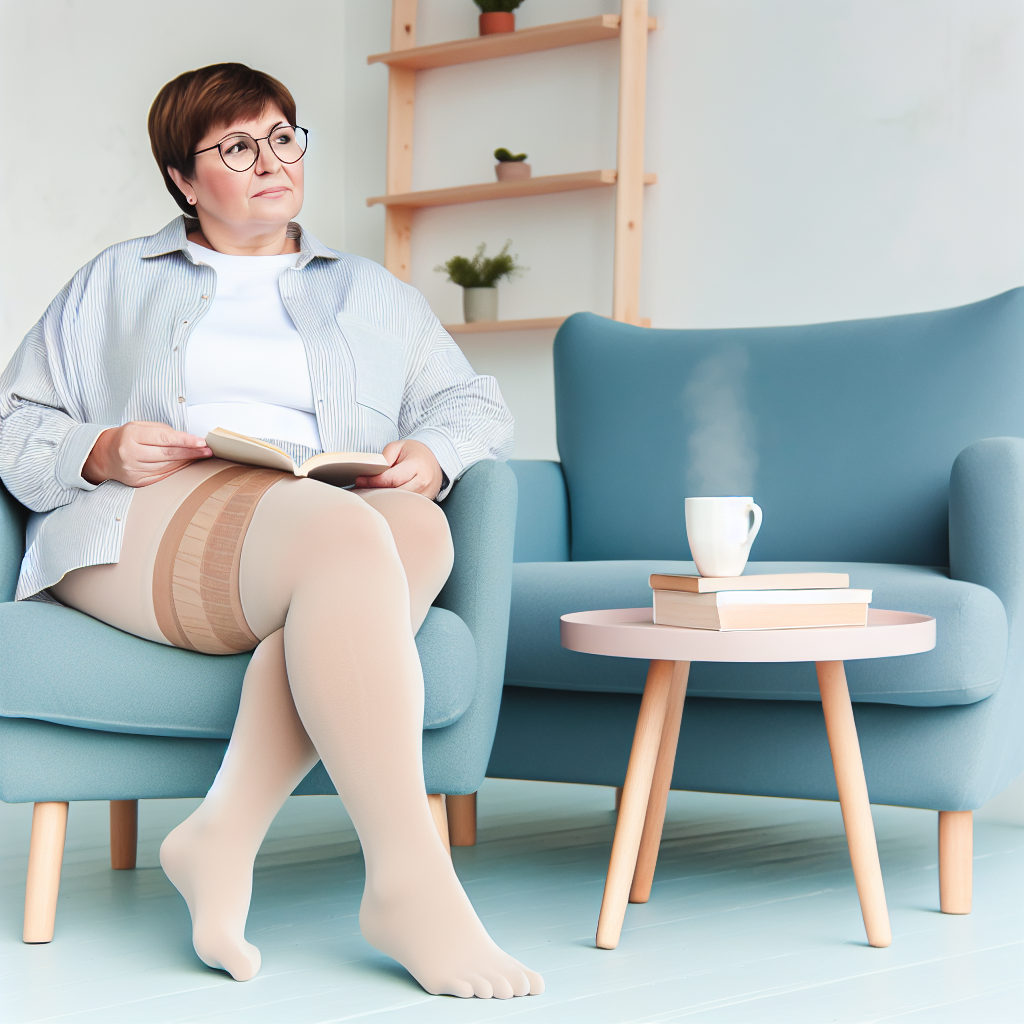
Compression garments, preferably class 2 or above, help stabilize limb volume with consistent external pressure and should be worn pre-takeoff and throughout the flight.
Prolonged Sitting
Sitting for hours constrains lymphatic and venous return, contributing to even more swelling and stiffness. Movement activates muscle pumps that force fluid and lymph along. Without movement, it pools in dependent areas.
Stand or walk the aisle every 1 to 2 hours to get circulation moving. Try to stand or walk for at least a few minutes each time. When standing is not possible, do seated leg exercises: ankle circles, foot pumps, and knee lifts help keep muscles active and reduce stiffness.
Opt for an aisle seat to facilitate easier access in and out. Hydrate—aim for 2 liters of water over 24 hours—avoiding alcohol and excess caffeine that can exacerbate dehydration and fluid imbalance.
Clotting Dangers
Lipedema may contribute to an elevated risk of clotting, especially during periods of extended immobilization. Immobility slows blood flow velocity in the deep veins and increases the risk of deep vein thrombosis (DVT).
Wear medical-grade compression stockings to reduce clotting risk and pair them with frequent walks and adequate hydration to promote healthy circulation. Know DVT warning signs: sudden severe leg pain, swelling localized to one leg, warmth, or redness.
If any of these arise on or after a flight, obtain medical care immediately.
| Risk Factor | Short flights (<3 hours) | Long flights (>6 hours) | Mitigation |
|---|---|---|---|
| Swelling | Low-moderate | High | Class 2+ compression, leg elevation, hydrate |
| Pain/Stiffness | Possible | Likely | Frequent movement, seated exercises, aisle seat |
| Clot risk | Low | Elevated | Medical compression, walk every 1–2 hrs, hydrate |
In-Flight Management
In-flight management for lipedema travelers is all about practical measures to constrain swelling, maintain circulation, and minimize pain while acknowledging the overall safety and service space on planes. The tips below combine personal strategies with an understanding of how cabin crew, policies, and in-flight occurrences impact symptom management.
1. Compression
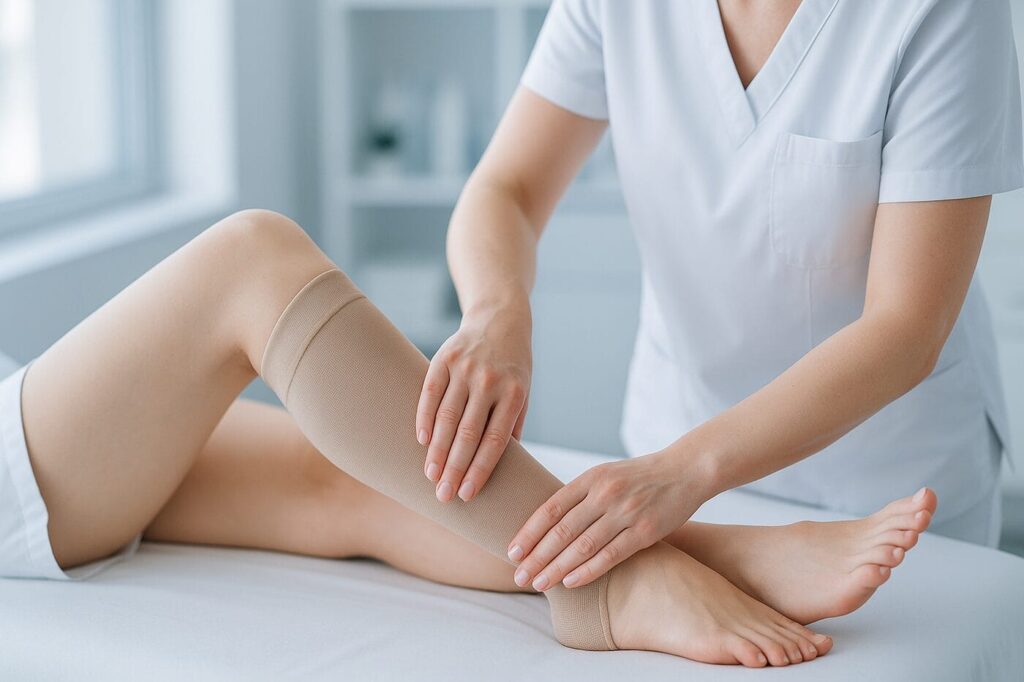
- Wear correctly sized compression garments for the duration of the flight. A clinician-prescribed graded compression stocking or pantyhose avoids fluid accumulation and facilitates lymphatic return. Fit properly so it won’t bunch or pinch at the cuff.
- Compression assists lymphatic drainage through the consistent external pressure that decreases capillary filtration and promotes venous flow. This reduces the potential for bulge and pain on extended flights.
- Stash a spare pair in your carry-on just in case there’s a delay or a rip. Slipping into a fresh pair mid-trip can feel regenerative.
- Wear compression before you board and take it off after you’ve landed, including during taxiing so as to maintain the pressure.
2. Movement
- Schedule yourself to stand, stretch, or wander on a regular basis. Strive to take a brief walk every 45 to 60 minutes if you can or when the seatbelt sign is off.
- Do in-seat exercises such as ankle circles, foot pumps, and seated knee lifts to increase local circulation without needing aisle space.
- Use phone alarms or a wearable to encourage movement every hour. Flight operations, turbulence, and cabin announcements can disrupt your routines, so the reminders help keep movement consistent.
- Don’t cross your legs, as it constricts blood flow and may amplify swelling. Flight attendants frequently assist with passenger flow and can recommend times to walk that are less congested.
3. Hydration
- Sip water regularly during a flight to maintain equilibrium. Cabin air is dry and can encourage fluid shifts and congestion.
- Restrict caffeine and alcohol as both can dehydrate and exacerbate swelling.
- Bring a refillable water bottle to fill up after security. Flight attendants and airline policies accommodate water requests and assist in medical emergencies.
- Monitor urine color as a quick hydration indicator. Pale straw color is usually a sign of sufficient consumption.
4. Nutrition
- Opt for low-sodium meals and snacks to minimize fluid retention.
- Package fruits, vegetables, and nuts for consistent energy and anti-inflammatory impact.
- Steer clear of processed foods that can trap fluid or cause bloating.
- Consume light, frequent meals to minimize discomfort caused by working in different altitudes.
5. Clothing
- Wear loose, breathable fabrics to reduce friction and irritation.
- Avoid tight waistbands that impede lymph flow.
- Layer clothing to manage cabin temperature and comfort.
- Choose slip-on or adjustable shoes in case of swelling. Flight crews can help with storage or access as needed.
Pre-Flight Strategy
People with lipedema face specific risks on long flights: increased swelling, discomfort, and a higher chance of circulation problems. A quick pre-flight strategy dampens those perils and makes the journey more manageable. These steps address what to pack, how to select times and seats, and how to organize local transit and accommodations with an eye toward maintaining mobility and comfort.
Make a thorough checklist to know you’re covered on the road. Add your prescription letters and dosing schedules, copies of medical records, and contact info for your healthcare team. Include insurance information and any medical travel notes needed for airline staff or border control.
Note pre-flight self-care tasks: apply self-massage or manual lymph drainage if prescribed, elevate legs for 15 to 30 minutes before leaving, and avoid long periods of standing at the airport when possible. Make notes to weigh luggage and try on compression garments the day before travel so you’re not caught off guard by tightness or slipping.
Make a checklist of must-haves such as compression gear and medication. Bring along two pairs of properly fitted compression stockings, worn according to your doctor’s instructions, and a spare pair in your carry bag. Stock it with oral diuretics or pain meds only if prescribed, plus band-aids, ointments, and any aids like a cane.
Include a handy prescription card and pharmacy information. Bring a pop-up footrest, a travel pillow for leg elevation, and a mini fold-up stool for airport layovers. Bring a refillable water bottle and electrolyte tablets to keep hydration consistent.
Book flights when you’re feeling your best. Pre-Flight Plan Book flights at your best time of day. If mornings are easier, take early flights to avoid evening swelling. Pick routes with fewer stops and less total in-flight time. When possible, select flights that enable you to sleep on your regular schedule to prevent circadian strain that exacerbates fluid imbalance.
Set transportation and accommodations that facilitate movement once you arrive. Book wheelchair or cart assistance in advance if long walks are an issue. Ask to be put in a seat with extra legroom or upgrade a class.
Finalize ground transportation that enables leg elevation, like a private car or wheelchair-accessible shuttle. Reserve a hotel with a ground-floor room or near elevators, and request a room with space to sprawl and establish a footrest.
Pre-Flight Plan – Look into destination-based medical services and pharmacies before you go.
Post-Flight Recovery
Post-flight recovery is all about minimizing swelling, alleviating pain, and bringing your circulation back to normal in your legs and hips. Just a few quick targeted steps go a long way towards cutting down discomfort and reducing the risk of complications. Here is some simple, practical advice that fits into airport lounges, taxis, or home routines.
Elevate legs as soon as possible after landing to reduce swelling
Raise feet above heart level when you can, ideally for 20 to 30 minutes at a time. Lie on a bed or sofa and prop knees on pillows so the legs slope upward. If you are in transit, use an airport lounge chair and a carry-on bag under the ankles to lift the feet.
Elevation helps move pooled fluid out of the lower limbs and eases pressure on tissue. Combine elevation with loose clothing and remove tight belts to avoid constriction. People with severe swelling should repeat elevation several times during the first 24 hours and watch for worsening pain or color change, which needs prompt medical review.
Perform gentle stretching or light walking to restore circulation
Begin with brief walks every half an hour to an hour after stepping off the plane. Walk for 5 to 10 minutes around the terminal or hotel corridor to stimulate circulation. Once at home, perform ankle pumps, heel lifts, and mild knee bends while sitting or reclined.
Easy stretches help relieve stiffness and prevent clotting. If walking hurts, try seated calf raises and point-and-flex foot movements. For those with mobility restrictions, have a caregiver to help or work with a physiotherapist to develop specific exercises.
Apply cold packs or soothing creams to ease discomfort in affected areas
Use a cold pack wrapped in a thin towel for 10 to 15 minutes to reduce local pain and swelling. Cold works best for acute swelling and can be alternated with short rest periods. Over-the-counter topical creams that contain menthol or simple analgesics may give temporary relief.
Test on a small skin area first. Avoid vigorous massage on very swollen tissue. Instead, use light strokes toward the heart if manual lymph drainage techniques are advised by a clinician.
Monitor for any unusual symptoms and adjust recovery routine as needed
Watch for spreading redness, warmth, intense pain, abrupt shortness of breath, or unilateral swelling. These can indicate infection or blood clots and require immediate attention. If you wore compression garments on your flight, continue to wear them post-flight and consume lots of water to combat cabin dehydration.
Avoid heavy meals and caffeine immediately as these can exacerbate swelling and dehydration. Those with underlying conditions should adhere to their doctor’s plan and get follow-up when recovery lags.
Airline Communication
Airlines need to know about lipedema and long-flight needs pre-travel. Advance notice alerts crew to arrange seating, boarding, and any mobility assistance. Print out a short slice of each to display at check-in and security. This cuts down delays and minimizes the opportunity for confusion at busy counters.
Before Booking
| Airline | Wheelchair Assistance | Pre-boarding | Carry-on Medical Allowance | Mobile App Updates |
|---|
Choose flights with open seating and little layovers to reduce time standing or running. Select non-stop flights if you can. If not, give yourself long connections to get up and down and change those compression socks.
Verify priority or pre-boarding access when booking. Some programs need to be requested in advance. Check your baggage regulations so valuable medical supplies, pumps, and additional compression garments can go in cabin baggage with no additional charges.
A few airlines provide transparent updates via mobile apps, which helps alleviate stress. Other airlines depend on airport screens and gate agents to announce delays, information that often lags during irregular operations. If you like rapid responses, see if the airline manages service through social media. Lots of travelers discover that is a speedier path.
At The Airport
Get there earlier than normal to account for check-in, security screening, and any documentation checks. Security might want to look at devices or compression garments. Doctor’s notes, prescriptions, and device manuals in your carry-on accelerate checks.
Take advantage of wheelchair and cart service at the airport to minimize standing and walking strain. Ask for these services ahead of time to make sure they’re available.
Find the nearest bathrooms, nursing or quiet rooms, and chill areas for leg propping before boarding. Keep medications, compression stockings, and a change of clothes in a carry-on that remains with you.
Language barriers at international hubs can make such requests challenging. Consider preparing short written notes in the airport’s common languages describing lipedema and needs.
On The Plane
Inform flight attendants of your condition and any assistance you require. A composed, matter-of-fact note upon boarding eases all interactions. Store essential items within reach: medications, compression wraps, and a lightweight footrest or pillow.
Position your seat and stand or walk in the aisle when safe to assist with circulation. Pillows and blankets can be used to prop up injured limbs, and you can ask for additional cushions if necessary.
Remember that they have scripts, especially when there’s a delay or schedule change, which can be cold. Relentless yet courteous follow up through either cabin crew or the airline app can often extract more definite updates.
The Emotional Journey
Traveling with lipedema comes with stress and anxiety that begin before the trip and continue through the return home. It’s all about pain, swelling, seating, access to doctors, and more that plagues planning. Worrying about security checks, uncomfortable airplane seats, and airport walks all weigh on the mind. These concerns are legitimate and alter the way folks think about travel, from selecting extra-legroom seats to booking extended layovers where stretching and napping can occur.
Be compassionate with yourself and enjoy the little wins on the way. Packing is a win when you add in compression garments, extra liners and easy-to-wear clothes. Notice small gains: being able to walk through a terminal without needing to sit every 20 minutes, managing swelling with scheduled movement, or getting through a flight with pain kept at bay.
One woman narrated her journey from shame to strength post-treatment, highlighting how every incremental victory, such as a brief walk or an untethered day out, cultivated confidence. Maintain a small wins list to browse when you get burned out.
Find solace in supportive communities or travel buddies. Online groups and condition-specific forums often share practical tips about which airlines are more helpful, how to request medical seating, or how to pack a travel kit with cooling packs and compression wraps. One guest shared discovering her diagnosis via social media and how the community showed her the ropes on compression garments and coping.
If at all possible, bring a travel companion. They help quell your anxiety and can assist in lifting heavy luggage or exert influence with the staff. When surgery or conservative care alters mobility, companions can assist in bridging recovery and normal traveling habits.
About: The Emotional Journey Chronic conditions bring ups and downs, as do frustrations and micro-invalidations from providers or insurers, which can hit especially hard following unambiguous clinical improvement when insurance denials arrive. Validation from practitioners and peers eases that load.
Another guest discussed emotional gains post-surgery, increased mobility and daily life, and patience in the recovery, emphasizing uncomplicated daily self-care. Advocacy and community support alleviate chronic stress and build resilience.
Be honest about your needs with providers and airline staff and you will receive both practical assistance and emotional reassurance. Just keep mindful of short breathing breaks during extended waits to stay grounded.
Conclusion
Long flights are obvious dangers for lipedemics, yet savvy preparation reduces them. Wear fitted compression that a vascular specialist selected. Book aisle seats with extra leg room or avoid middle seats when you can. Move each hour with short walks and ankle pumps. Prepare a tiny ice pack and elastic wrap to combat post-flight swelling. Inform the airline of any mobility or seating requirements in advance and bring along a recent note from your clinician if useful. Anticipate emotional strain and schedule downtime after you land. Simple steps add up: measured compression, steady movement, clear airline talk, and a calm recovery plan. Try one change at a time and monitor what does the most good. Find out more or seek care from a specialist if swelling or pain prevents you from flying.
Frequently Asked Questions
What are the main risks of long flights for people with lipedema?
Long flights exacerbate swelling, pain, and fluid pooling in affected limbs. Immobilization and fluctuation of cabin pressure can worsen symptoms and increase the danger of blood clots. Think ahead to minimize these dangers.
How should I manage lipedema while on a long flight?
Get up and stretch every 30 to 60 minutes. Wear well-fitted medical compression garments. Hydrate, stay away from alcohol and excess salt, and book an aisle seat if you can so you can stand more easily.
What should I do before a flight to minimize problems?
Consult your clinician for individualized guidance. Obtain a compression script and get some garment practice in. Begin soft daily activity and sodium reduction in the days leading up to flying.
How can I recover after a long flight?
Elevate legs when you can, continue wearing compression, rest and ice for pain and inflammation. Return to normal lymphatic or physical therapy as soon as possible to minimize sustained swelling.
Should I tell the airline about my lipedema?
Yes. Notify the airline of mobility requirements and ask for seating or boarding assistance if required. Get medical documentation for accommodations like extra leg room or using compression devices.
Can compression garments prevent deep vein thrombosis (DVT) on flights?
Formfitting medical compression reduces DVT risk and swelling. They are helpful but not a promise. Mix them with activity, hydration, and medical advice.
When should I see a doctor before flying with lipedema?
See a doctor if symptoms worsen, if you have a history of blood clots, recent surgery, or an infectious illness. Get clearance and a plan to travel at least a few weeks before long trips.
Think you might have lipedema?
Book a free 30-minute video consultation with our team. We’ll review your symptoms and give you an honest stage and plan — no pressure, no obligation.
Book Free Consult →