
Lymph Sparing Liposuction: A Revolutionary Approach for Lipedema Treatment

Key Takeaways
- Lymph sparing liposuction is a technique that leverages advanced technology and precise preoperative mapping to safeguard lymphatic tissues, minimizing lymphedema risk in lipedema treatment.
- Specialized instrumentation and local anesthesia assist in reducing tissue trauma, enhancing fat extraction accuracy, and promoting patient well-being and quicker recuperation.
- Perfect candidates have a verified lipedema diagnosis, minimal lymphatic risk, and grounded expectations for surgery.
- Advances in lymph-sparing techniques have improved recovery times and reduced complications relative to traditional liposuction, resulting in increased patient satisfaction.
- Postoperative care, with compression and manual lymphatic drainage, is key to healing and long-term results.
- Close follow up, patient education, and multidisciplinary care all help lead to better long-term health and quality of life for patients with lipedema.
Lymph sparing liposuction technique is a method in body contouring that aims to keep lymph vessels safe during fat removal. Physicians utilize it to assist in reducing the chances of swelling, known as lymphedema, that may occur post certain surgical procedures.
This method frequently assists individuals with diseases such as lipedema. With the help of specific instrumentation and methodical steps, the technique allows physicians to sculpt the body while facilitating lymphatic function.
What follows are more on this process.
Defining the Technique
Lymph-sparing liposuction is a targeted technique for lipedema, a progressive fat disease that primarily impacts women. The technique specializes in eliminating atypical fat, preserving the lymphatic network and addressing symptoms while avoiding secondary clinical lymphedema. This method depends on state-of-the-art equipment, meticulous preoperative mapping, and delicate intraoperative technique to strike a harmony between efficient fat extraction and lymphatic safeguarding.
1. The Philosophy
Lymph-sparing liposuction takes a holistic approach, making lymph health the focus of each step. The objective is to sculpt not only the presentation of the legs or arms but to enhance patients’ ease and mobility. By shielding the lymphatic vessels, the chances of post-op swelling or infection diminish.
Every patient’s treatment plan is customized according to their lipedema stage and overall health, prioritizing long-term well-being over quick fixes. Meticulous surgical techniques such as feathering strokes and circular pattern dissection minimize bruising and facilitate quicker recovery.
2. The Tools
Surgeons depend on blunt tipped cannulas, usually 2 to 3 millimeters wide, to reduce the chance of injuring lymph vessels. These smaller instruments allow the surgeon to operate with greater precision, which is crucial when working with fragile tissue.
Tumescent solutions that numb the area and shrink blood vessels aid in reducing discomfort and bruising during and after surgery. Other surgeons utilize water-assisted liposuction machines, which loosen fat with a mild stream of water, resulting in less trauma to the surrounding tissue.
Both new tools and methods combine to make the procedure far safer and more reliable for patients.
3. The Method
Lymph-sparing liposuction begins with compression therapy prior to surgery, typically two to four weeks, to reduce swelling and prime the area. The procedure is conducted using local anesthesia to maintain patient comfort.
Surgeons create tiny ports and use blunt cannulas to sculpt away excess fat, operating from areas farther away from the body toward sites closer in, modulating pressure so as not to strain the lymphatics. Fat is extracted in sessions, one site at a time, to reduce trauma.
Following the operation, patients don compression garments on a scheduled basis, which helps the body mend itself and prevents the accumulation of fluid.
4. The Mapping
Mapping is critical preoperatively. Surgeons utilize imaging aids, such as ultrasound, to identify critical lymphatic vessels and nodes. By sketching out these structures, they can map the safest route for fat extraction, minimizing the risk of injury.
Careful mapping allows the surgeon to treat each patient’s lymphatic patterns as they can be different. This step results in more comprehensive care and improved outcomes, particularly in advanced lipedema cases.
Traditional vs. Modern
Liposuction has come a long way since the early days. The ascent of lymph-sparing methods is a huge advance, particularly for those with lipedema. These more recent approaches emphasize preservation of the lymphatic system and provide more gentle recuperation.
Here’s a quick table outlining the primary differences in how each addresses your lymphatic health.
| Feature | Traditional Liposuction | Lymph-Sparing Technique |
|---|---|---|
| Lymphatic Health | Higher risk of damage, lymphedema risk | Lower risk, preserves lymphatics |
| Tissue Trauma | High tissue and blood vessel damage | Minimal trauma, targets fat only |
| Recovery Time | 2–4 weeks (longer swelling/pain) | 1–2 weeks, mild swelling (7–10 days) |
| Complications | More post-op pain, fluid shifts | Fewer complications, mild pain |
| Aesthetic Results | Less natural contour, risk of irregularity | Smoother, more natural, better symmetry |
| Cost | Lower (baseline) | 30–50% higher |
Tissue Trauma
Traditional liposuction employs hard cannulas and suction, which tend to be rough on fat and blood and lymphatic vessels. This can result in an increased risk of lymphedema, particularly for lipedema patients with already delicate lymphatic systems.
Lymph-sparing techniques like water-assisted or VASER liposuction use gentler methods to disrupt fat cells. These devices are typically built to preserve nearby structures, notably the lymphatics, which play a vital role in clearing excess fluid and tissue waste.
With less damage, patients experience less postoperative pain. They experience more rapid healing. Swelling and bruising are not as bad or do not last as long. This allows people to return to their daily routine earlier.
Protecting the lymphatic system is crucial for lipedema sufferers. When these vessels are untouched, the likelihood of future swelling and issues decreases.
Recovery Time
Traditional liposuction can take you out of commission for weeks. Swelling, pain, and bruising can persist for a month. Most of the time, it’s four to six weeks before patients can get back to hard workouts. A lot can just walk or do light activities for the first few weeks.
Modern lymph-sparing methods alter this. Most experience only mild swelling that subsides within seven to ten days. Recovery usually takes one to two weeks, and some can return in three to five days. They can begin low-impact exercise in nearly half the time, a huge benefit for those itching to get back in motion.
Going out with a good post-op plan counts. Compression, light exercise and doctor check-ins can help accelerate healing for all and are crucial for lipedema.
Final Results
Old school tends to leave behind patches of fat or skin giving your body that fake looking finish. Some patients can view dents or bumps, particularly if more fat is removed. This is a typical concern for people who desire both something healthy and normal looking.
Lymph-sparing liposuction shapes your body better. It produces smoother and more uniform results, with improved fat distribution and shaping. It means patients are more comfortable in their bodies, which counts in lipedema care.
With lymph-sparing techniques, individuals tend to be more satisfied. They report that they appear and behave more natural. Twenty to thirty percent of lipedema patients require a revision surgery either way.
Ideal Candidates
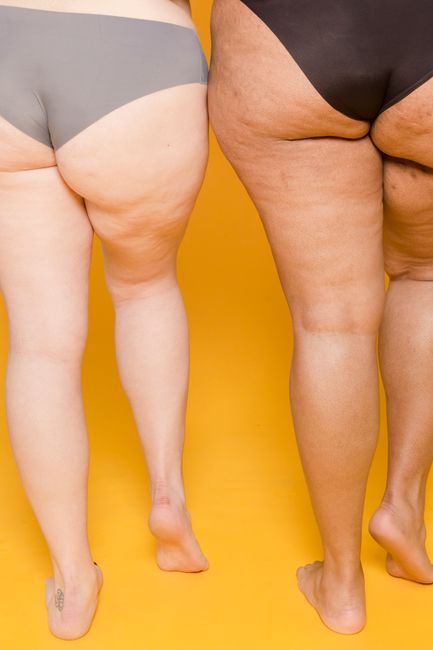
Lymph sparing liposuction is a surgical strategy for those with lipedema, a lifelong ailment during which irregular fat accumulates, primarily in the legs and arms. Not every lipedema patient is the right fit for this procedure. We find the ideal candidates based on health, lipedema stage and readiness for post-surgical care.
- Have a definitive diagnosis of lipedema, usually stage two or three.
- Have tried all conservative treatments first (diet, exercise, compression).
- Show excess limb volume mostly from fat, not fluid.
- Minimal pitting persists after optimal non-surgical management of four to five millimeters in arms and six to seven millimeters in legs.
- Do not suffer from repeated cellulitis or have witnessed infections reduce.
- Willing to wear compression garments for weeks or months post-surgery.
- Non-smokers or those who have quit for a minimum of one month.
- Expect improvements in function, appearance, and quality of life.
Lipedema Diagnosis
Making a correct diagnosis of lipedema is critical. Physicians search for symmetrical fat accumulation on the limbs, pain, easy bruising, and resistance to diet and exercise. Staging helps identify ideal candidates.
Stage 2 and 3, where fat accumulation visibly alters limb contour but is still predominantly fat and not fluid, tend to derive the most benefit from lymph sparing liposuction. A healthcare provider like a vascular specialist or dermatologist has to diagnose it. They rely on physical exams and patient history, occasionally with imaging.
This is the key step. Misdiagnosis leads to bad results. Our understanding of symptoms such as pain, swelling, and the consistency of the fat informs us as to who is a good candidate for surgery. Observing changes in skin or recurrent infections directs therapy.
Every patient requires an individual check-up so that their treatment plan corresponds to their needs and stage.
Lymphatic Risk
- History of lymphedema or swelling not related to fat.
- Prior cellulitis or limb infections.
- Past surgeries or trauma to limbs.
- Poor wound healing or immune issues.
- Family history of lymphatic disease.
Checking lymphatic health keeps issues at bay post-op, such as lymphedema. Physicians might employ scans or tests to determine whether the lymph system is functioning properly.
A thorough medical history is crucial. This may be due to infections, swelling, or previous limb issues. Special tests, usually performed by specialized teams, make the surgery safer and help select appropriate candidates.
Realistic Goals
Patients must understand what the surgery can and cannot accomplish. Lymph sparing liposuction can reduce limb size, improve mobility and alleviate pain. It is not a cure for lipedema.
It needs to be goals that are aligned with the surgery’s constraints. Doctors describe what improvements to anticipate, like reduced swelling or improved contour, but extensive healing is not probable. Patient education manages hope and risk.
Support counts post-surgery. Continued support, monitoring, and specific guidance assist in achieving optimal outcomes and maintaining enhancements over time.
Clinical Evidence
Lymph-sparing liposuction is a specific technique employed to address the symptoms of lipedema, a progressive condition characterized by excess fat deposits and tissue edema. It’s designed specifically to suction fat and spare lymphatic vessels, which reduces the risk for additional swelling or lymphedema.
Clinical evidence has pitted this approach against conventional liposuction in terms of safety, patient outcomes, and longevity.
| Study | Sample Size | Approach | Main Findings |
|---|---|---|---|
| Al-Ghadban et al. 2020 | 148 | Tumescent, blunt cannula | Low risk of lymphatic injury; significant symptom improvement |
| Schmeller et al. 2012 | 112 | Lymph-sparing | Improved mobility, reduced pain, few lasting complications |
| Rapprich et al. 2015 | 25 | Tumescent | No decrease in lymphatic function post-op (lymphoscintigraphy) |
Postoperative Complications
Typical post-operative complications following conventional liposuction include edema, hematomas, and skin alterations. The risk of such events is higher with general anesthesia, which is why many physicians are now using a tumescent technique that utilizes local anesthesia.
Employing blunt cannulas, typically 2 to 4 millimeters in diameter, assists in sparing delicate lymphatic structures and decreases the likelihood of injury. Close follow-up after surgery is critical.
If detected early, problems such as infection or excessive swelling can be treated. The lymph-sparing technique has demonstrated a decrease in the development of lymphedema, a severe side effect associated with lymphatic damage. Teach patients to be vigilant for warning signs, such as sudden swelling, pain, and skin changes, to help guide rapid care if necessary.
Long-Term Health
There are plenty of studies that indicate continued health advantages for the patients who receive lymph-sparing liposuction. This technique can assist with pain and swelling, and it may encourage healthier lymphatic flow and reduce the risk of chronic conditions associated with lipedema.
For others, increased mobility and reduced pain translate into a better life. Enduring outcomes are a function of the surgery and the follow-up care.
Good habits such as mild exercise and weight control help maintain the symptoms. Regular checkups allow physicians to monitor lymphatic health and optimize outcomes.
Patient Satisfaction
Patient experience with lymph-sparing liposuction is excellent. Clinical evidence shows that research demonstrates excellent patient satisfaction, with patients noting improved activity, decreased pain, and a more natural looking appearance.
Fewer complications and a more natural appearance enhance this positive experience. This is in part due to the individualized attention teams provide.
By listening to patients’ concerns surrounding surgery, surgeons can fine-tune their techniques. Support during recovery from doctors, nurses, and therapists can make a big difference in patients’ perception of their results.
A Surgeon’s Perspective
As surgeons treating lipedema, we witness firsthand the unique challenges this chronic disorder brings. Based primarily in the legs, thighs and buttocks, the condition results in excessive fat deposits, frequently accompanied by swelling, soreness, and impaired mobility.
During consultation, a surgeon examines the affected areas, analyzes fat distribution, and determines if lymph-sparing liposuction is most suitable. This minimally invasive technique attempts to eliminate excess fat while preserving the delicate lymphatic vessels, which is essential to decreasing swelling and preventing additional complications.
For these cases, surgeons typically opt for water-assisted or tumescent liposuction since they are easy on the lymph system.
The Learning Curve
Mastering lymph-sparing liposuction is hard. Surgeons have a steep learning curve because the lymphatic system is delicate and easy to damage. It requires practice, patience, and skill to learn how to recognize and safeguard lymph vessels during surgery.
One error can mean swelling or long-term issues. Nothing beats practice and guidance. Observing a master surgeon at work and receiving immediate feedback allows novice surgeons to develop technique and confidence.
Take, for instance, surgeons who often, though not always, train under seasoned colleagues, sometimes abroad, to learn methods. Staying on top of new research, technology, and surgical tools is key.
Surgeons going to workshops, conferences, or online courses hear about the latest liposuction devices and techniques. They can deliver these advances to their patients, making surgery safer and more effective. Keeping up keeps surgeons prepared to provide optimal care.
The Patient Dialogue
Transparent discussions between surgeons and patients establish the foundation for improved results. In consultation, a surgeon discusses treatment options and expectations. This keeps patients informed.
Clear dialogue expectations. Patients discover that average safe fat extraction is around 5.0 liters per surgery and that sometimes more than one is necessary, spaced three or more months apart. Risks such as swelling or loss of sensation are addressed up front.
Consent is more than a form; it’s a process. Patients need to know what each step entails, including aftercare like compression garments and manual lymph drainage. This confidence smooths recovery and makes the ordeal more manageable.
The Future Outlook
Lymph-sparing liposuction is evolving rapidly. Surgeons are finding ways to perform operations more precisely with less trauma and better outcomes for their patients, aided by sharper imaging and more delicate instruments.
From a surgeon’s perspective, new tech ideas like smart cannulas could assist surgeons in avoiding lymphatic injury. Innovation is not just tools.
Teams of doctors, therapists, and nurses can provide superior, more comprehensive care. Designed around the patient, this philosophy assists with surgery and recovery while respecting each patient’s individual need.
Postoperative Care
Post-operative care, post-lymph-sparing liposuction, requires strategic measures to safeguard lymphatic function and facilitate healing. Patients are unique creatures of habit, particularly when coping with lipedema or lymphatic-related issues. Below is a checklist of postoperative care that mixes some clinical recommendations with pragmatic advice.
- Check surgical sites daily for any redness, warmth, or new swelling.
- For the first 48 hours, apply medical-grade ice packs wrapped in a thin towel for 15 to 20 minutes every 2 to 3 hours.
- Use compression garments as recommended, typically 23 to 24 hours a day for the first 3 to 4 weeks.
- Stay hydrated. Drink clear fluids, like water, broth, or herbal tea, every 1 to 2 hours.
- Eat when you take your prescribed pain medications and maintain a log of doses and timing.
- Prioritize a nutrient-rich diet that includes lean proteins, anti-inflammatory foods, and foods rich in Vitamin C and zinc.
- Have manual lymphatic drainage by a trained therapist 48 to 72 hours post-op.
- Carry on with compression therapy for up to six weeks if needed, particularly for lipedema patients.
Compression
Compression garments are a main focus of care following lymph-sparing liposuction. These garments assist in reducing swelling, supporting tissues, and increasing lymphatic flow by gently compressing the skin and underlying tissues. Without this assistance, fluid can accumulate, impeding recovery and increasing the potential for complications.
Compression gear should be worn 23 hours a day for the first 3 to 4 weeks. This routine keeps swelling at bay and aids with fluid drainage. A few surgeons recommend going up to six weeks, particularly in cases where swelling is slow to dissipate.
Fit is everything. Ill-fitting garments might not fit properly or even hurt. Patients should adhere to their surgeon’s recommended type and size and adapt accordingly. Compression is big for lipedema patients, assisting with shaping results and increasing comfort.
Lymphatic Drainage
Massage-like manual lymphatic drainage (MLD) is highly beneficial post-surgery. MLD applies gentle, targeted massage to shift lymph fluid out of swollen tissue and back into circulation. This may accelerate healing, reduce swelling, and assist in clearing bruising.
Initiating MLD 48 to 72 hours post-surgery facilitates early recovery. Patients should visit experienced practitioners for MLD since the appropriate technique is key to safety and efficacy. Incorporating MLD into the recovery regimen can enhance outcomes, and for patients susceptible to fluid accumulation, it’s imperative.
Long-Term Monitoring
Follow-ups matter after lymph-sparing liposuction. Surgeons follow healing, monitor for persistent swelling, and identify issues early. This is particularly important with lipedema, where symptoms can recur or migrate.
Long-term care involves both symptom management education and healthy habit education. Patients might have to evolve their care regimens as their requirements shift. Staying active, maintaining a healthy diet, and keeping up with compression when necessary are all great ways to support long-term wellness post-surgery.
Conclusion
What distinguishes lymph sparing liposuction is its gentle hand. Surgeons employ soft motions to assist in safeguarding the body’s lymph routes. This reduces the risk for swelling and other complications. Most experience reduced swelling and an accelerated healing process. Doctors are now using this technique more frequently for patients with lymphedema or who are high risk. Clinic results demonstrate excellent safety and effective results. Everyone’s needs look a little different, so consult with a doctor you trust to determine if this method is right for you. For those desiring safe fat removal and caring for their health, lymph sparing liposuction delivers a true choice. To explore or chart your next steps, contact a health care team that understands this arena.
Frequently Asked Questions
What is lymph sparing liposuction?
About: Lymph sparing liposuction technique minimizes the risk of lymphedema while maintaining natural lymphatic fluid circulation.
How does lymph sparing liposuction differ from traditional methods?
Instead of regular liposuction, the technique utilizes specialized instruments and imaging to avoid harming lymph vessels. It is particularly crucial for patients susceptible to lymphedema.
Who is an ideal candidate for lymph sparing liposuction?
Best suited for patients with lymphedema or who require fat removal from regions with abundant lymph vessels. A medical exam will assist in answering suitability.
What is the main benefit of this procedure?
The primary advantage is fat extraction with less danger of damaging the lymphatics. This frequently translates into reduced swelling and a decreased incidence of late-stage complications.
Is lymph sparing liposuction supported by clinical evidence?
Yes, clinical studies demonstrate the long-term safety and efficacy of lymph sparing techniques to remove fat and liposuction protects lymphatic function. Results are good when completed by seasoned surgeons.
What should patients expect after the surgery?
The majority of patients have light swelling and bruising. They are instructed to perform certain post-operative care for recovery and lymphatic health.
Can a general plastic surgeon perform this technique?
Not all plastic surgeons are lymph sparing trained. Make sure you select a surgeon with experience in this advanced technique.
Think you might have lipedema?
Book a free 30-minute video consultation with our team. We’ll review your symptoms and give you an honest stage and plan — no pressure, no obligation.
Book Free Consult →