
Best Shoes for Swollen Lipedema Legs
Key Takeaways
- Select shoes that are extra wide and have a deep toe box to avoid squeezing swollen feet and letting toes splay. Test both feet while wearing any typical compression socks.
- Seek out adjustable closures, stretchable uppers, and insoles that come out so shoes can accommodate daily swelling and accept custom orthotics when necessary.
- Choose shoes with supportive, lightweight soles that provide cushioning and non-slip traction to minimize pain, increase your balance, and reduce fatigue as you walk.
- Measure your feet regularly, shop later in the day when swelling is at its height, and maintain a sizing journal along with a list of dependable brands to make future shopping easy.
- Pair shoes with compression stockings, proper orthotics and mild elastic socks for improved swelling management and comfort. Try them on with all supports in place.
- Best lipedema shoes by matching your shoe choices to your daily routine – versatile, breathable, and easy-on are best. Work, activities, and climate all play a role, and comfort is worth more than style.
Best shoes for swollen lipedema legs. They have wide toe boxes, adjustable closures and stiff midsoles to assist balance and reduce joint pressure.
Breathable fabrics and seamless linings aid in minimizing irritation and skin friction. Many shoes have removable insoles for custom orthotics and some extra depth for swelling.
Our guide below weighs smart choices and fit advice for both everyday and medical requirements.
Lipedema’s Impact
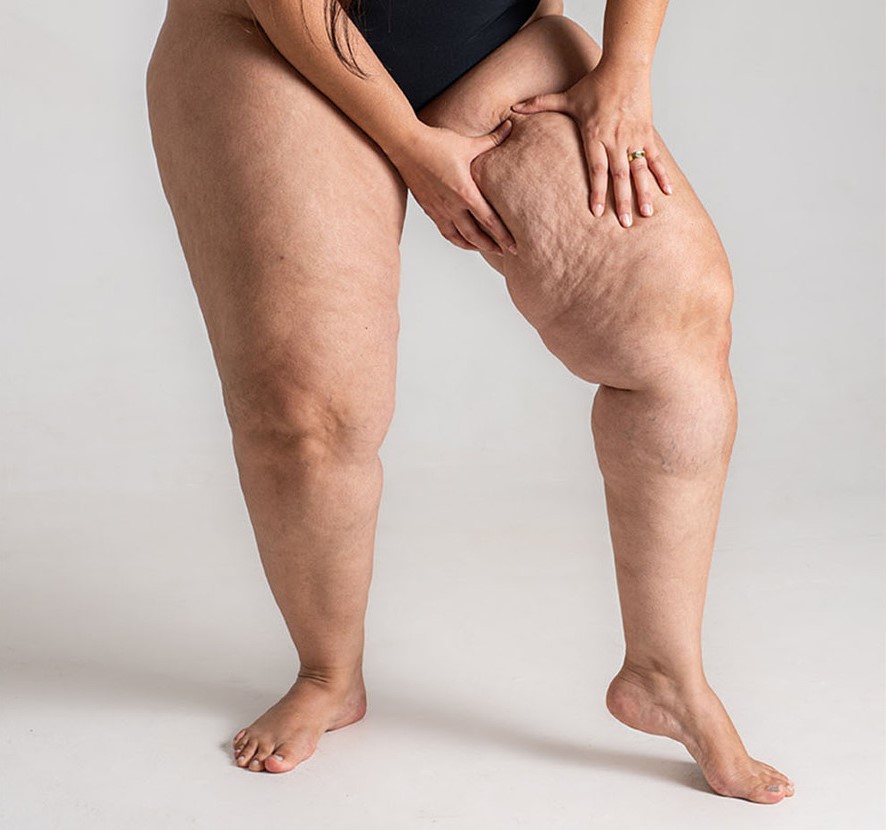
Lipedema is a chronic disorder that results in the abnormal accumulation of fat in the legs and hips. This additional tissue distorts limb shape and imparts additional pressure on skin, blood vessels, and lymphatic vessels. Consequently, footwear requirements vary from standard fit styles.
Shoes must accommodate a larger, frequently pillar-shaped leg and still support the foot and ankle. Shoes that overlook these shifts invite more pain, more swelling, and less movement.
Leg Shape
Lipedema frequently results in a disproportionate, column-like shape to the lipedema leg where both the calf and thigh are full but the ankle could be narrow or swollen, creating an uneven profile that standard shoe collars and ankle openings will hit or rub in the wrong spots.
Regular shoe lasts expect a gently tapering calf to ankle, a shape that almost never fits limbs with lipedema. Look for shoes with soft, stretchable uppers that hug the contour of your leg without digging in.
Brands that provide extended calf sizes, wider ankle cuffs or custom fittings alleviate pressure points and increase comfort.
Foot Swelling
Swelling in lipedema can fluctuate on a daily basis or even hourly, in part because gravity draws fluid downward. Shoes have to evolve with these changes.
Stretch-knit uppers, wide Velcro straps and elastic gussets allow the wearer to expand or tighten closures as necessary. Removable insoles are useful.
Pull one out to gain extra millimetres of space when swelling increases. Track swelling patterns and measure at the same time daily to pick shoes that fit at peak swelling rather than at the smallest moment.
Pain Points
Typical pain points are ankles, arches, and toes. The excess tissue can compress nerves and make touch-sensitive spots raw.
Cushioning underneath the heel and forefoot can distribute forces and alleviate pressure points. Steer clear of tight instep seams or constricting toe boxes that cause rubbing and bruising.
Seek shock-absorbing midsoles and supportive footbeds that cushion impact during walking or standing for extended periods. A softer composition can decrease tenderness and stave off fatigue.
Mobility Issues
Lipedema can restrict your balance, walking distance, and stamina. Sturdy, non-slip soles prevent you from falling on wet and uneven surfaces and provide you with confidence when walking.
Lightweight builds reduce energy expenditure during walking, which is a boon when chronic fatigue is an issue. Easy-on designs, such as wide openings, pull tabs, or single-step fasteners, aid those with limited bending range or joint stiffness in putting on shoes without discomfort.
Focus on stability and simplicity to maintain daily activity in a realistic and safer way.
Critical Shoe Features
About: Essential Shoe Features A defined checklist of must-have features directs decisions when buying shoes for swollen lipedema legs. Don’t settle for a one-trick pony; combine supportive features in a shoe. Compare side by side. Before buying, a basic table can make comparisons of width, toe depth, closure type, sole support, weight, and materials glaringly clear.
1. Ample Width
Make sure to select shoes marked wide or extra-wide because you don’t want to pinch those swollen feet! Wide lasts and forefoot volume relieve pressure and promote circulation, while narrow or pointed toe shapes intensify pain and risk of skin breakdown.
Try shoes on later in the day when feet are more swollen and always try both feet. Swelling often differs between sides. Roomy forefoot along with soft uppers prevents rubbing and fits orthotic or padded insoles.
2. Deep Toe Box
A high, roomy toe box allows toes to spread and reduces pressure on the forefoot. Test depth by wiggling toes. There should be room above them and in front of the longest toe.
Avoid stiff or shallow fronts that shove the toes up or in on top of each other. Additional depth accommodates padded insoles or protective toe caps without cramping the foot.
3. Adjustable Closures
Velcro, buckles, laces, or zippers allow you to adjust fit as swelling varies. Several areas of adjustment around the forefoot and over the instep offer more control than a single strap.
Opt for closures that are simple to manipulate in case hand strength or dexterity is compromised. Large tabs, looped pullers, or quick-pull laces assist. True slip-on shoes with no adjustability should be avoided since they cannot accommodate the changing leg volume and end up either cutting off circulation or coming off.
4. Supportive Soles
The soles are solid but cushioned. They shock absorb for people on their feet for long hours, minimizing fatigue. Seek out contoured footbeds and arch support, which help spread pressure and relieve strain on muscles and joints.
Rugged, slip-resistant outsoles increase grip and reduce the likelihood of falling on wet or slick surfaces. Reinforced midsoles and heel counters provide additional stability and assist with balance, which is critical when swelling changes your step.
5. Lightweight Materials
Breathable, lightweight fabrics such as mesh or soft leather decrease leg fatigue and allow air to flow to keep moisture in check. Moisture-wicking linings and water-resistant uppers shield the foot in muggy or wet environments.
Steer clear of weighty, stiff shoes that increase the energy expense of walking. Padded insoles and soft linings offer additional comfort to sensitive skin and pressure spots.
Sizing Strategy
Your baseline for finding swollen lipedema leg shoes that fit is accurate, up-to-date foot measurements. A defined sizing ritual minimizes trial and error, assists in identifying trends, and steers decisions about labels, styles, and fasteners that will feel good throughout the day.
Measure Often
Measure feet at least monthly and whenever swelling shifts. Use a good foot-measuring tool — a Brannock device or the trace-and-ruler setup — to record length and width exactly. Measure both length and width because measuring only length overlooks essential width fluctuations typical with lipedema.
Measure at multiple times of the day to account for size fluctuation. Morning, mid-day, and late afternoon readings indicate the spread between the smallest and largest sizes. Be accurate. Measure standing, with the weight fully on the foot, and record if measured with or without compression garments or socks.
Maintain a diary recording date, time, length (mm or cm), width (mm or cm), socks/compression, and symptoms. Include notes about which brand shoes fit best at each reading. This information makes upcoming shopping quicker and reduces returns.
Shop Later
Shoe shop late in the day, late afternoon or evening, when feet are at their most swollen. Shoes that feel tight in the morning can be downright too tight by the evening. Purchasing at the top of the size range prevents that issue.
Pack the socks and any orthotics or compression you typically wear. Testing footwear on your actual rig provides a more accurate feeling of fit. Stand, walk, and test for a few minutes. Movement exposes pinching and pressure points that static fitting can miss.
Fit compare across brands during one fitting. Some brands fit narrow, others fit wide. By testing a few models in similar conditions, you can determine which brands fit your swollen foot shapes best. Velcro, elastic laces or bungee systems are a boon on fluctuating days!
Prioritize Fit
Comfort and fit should trump style. Say no to shoes that pinch, rub, or feel tight anywhere, even if they’re cute. Constant hotspots cause skin abrasions and pain.
Prefer forgiving, adjustable designs to rigid ones. Flexible, breathable materials flow with your changing foot size throughout the day and alleviate pressure accumulation. Fit shoes with the socks or compression you will wear and look for toe room, secure heel hold, and spacious forefoot.
Keep a list of favorite brands and sizes as you find reliable fits. Refer to your measurement log and brand notes to craft a short list to consult when shopping online or in store.
Beyond The Shoe
Backstage at BETSHOE, supportive accessories sculpt how shoes behave for swelling lipedema legs. Compression, orthotics, and proper socks can change pressure, fit, and comfort. They shield skin, protect circulation, and ease stress on joints.
Utilize them in tandem instead of afterthoughts. Try combinations before you buy. Monitor how every adjustment affects comfort and swelling from day to day to create a dependable regimen.
Compression Synergy
Match shoes with medical-grade compression stockings for improved swelling control and venous support. Compression aids in moving fluid and minimizing the daily increase in leg size. It is most effective when fit and shoe selection align.
Measure foot and calf size each morning and evening because feet swell throughout the day. Purchase stockings to this larger size. Make sure shoes are roomy and have adjustable closures, such as velcro straps, elastic laces, or bungee systems, to allow for space for stockings without pinching.
Soft, stretchable uppers and roomy toe boxes allow compression fabric to lay smooth. Try shoe fit with the compression garment on prior to purchase. A shoe that feels tight in the store might cause discomfort after hours of standing.
It’s about the consistent use. Wear compression when recommended by a clinician, particularly on long days or during travel. Switch between sock companies or compression levels only under direction and report any hot spots or skin changes immediately.
Orthotic Integration
Seek out shoes with removable insoles so you can safely seat custom orthotics. Deep footbeds and additional depth permit orthotics to fit without elevating the foot too much, which can alter shoe characteristics and stability.
Test orthotics in new shoes pre-purchase. Take even a few steps, stand, and move on different surfaces to test for slippage and heel cup fit and forefoot pressure. A properly fitted orthotic enhances alignment and can reduce discomfort by dispersing load more uniformly over the foot.
If custom orthotics aren’t an option, seek out supportive over-the-counter inserts sized for extra depth shoes. Change insoles regularly and rotate shoes to allow orthotics to dry and hold their shape.
Sock Selection
- Pick socks with soft elastic. Skip tight cuffs that mark or cut circulation.
- Opt for seamless toes and soft, breathable fabrics to safeguard sensitive skin from chafing.
- Match sock thickness to the shoe: thin socks for snug shoes and thicker for roomier footwear.
- Alternate between pairs and dry shoes completely to avoid moisture accumulation and smell.
- Go for sleeve-type socks for light support without complete compression if you’re avoiding compression stockings.
Rotate shoes to ensure you’re not overusing them and to allow the material to recover. Hands-free or slide-on styles can assist those with limited mobility.
Lifestyle Considerations
Selecting shoes for swollen lipedema legs is about balancing function with lifestyle. Consider your lifestyle, where you’re on your feet the most, whether you do a lot of walking, and what your feet are exposed to. Comfort is key: shoes should reduce pressure, allow for adjustable fit, and support safe, steady movement. Here are targeted tips to assist in matching shoes with habits and settings.
Work Demands
Office work demands shoes that appear professional but don’t sacrifice medical-grade comfort. Look for designs with roomy, wide toe boxes and soft, stretchable uppers so toes aren’t pinched. Removable insoles permit orthotics when additional arch support is necessary.
Occupations that have you standing or walking require slip-resistant soles and extra cushioning. Seek out shoes with stable midsoles and heel counters for balance. Supportive shoes make long shifts more mobile and less fatiguing.
For healthcare or food-service positions, opt for easy-to-clean fabrics like treated leather or wipeable synthetics. Water resistant shoes are handy here because they keep feet dry and minimize chafing when spills occur. Durability matters where hours are long. Reinforced stitching and quality outsole materials extend lifespan.
Activity Levels
Active lifestyles thrive in athletic or walking shoes that combine support with flexibility. Select models with breathable mesh and engineered uppers to control swelling, yet keep feet cool. Choose breathable fabrics when you exercise.
If you’re mobile, select shoes with increased shock absorption. Dual-density foam or air-cushion midsoles reduce joint impact. Better still, rotate between pairs to give the cushioning a chance to bounce back and shoe life to stretch longer. Alternating one-day athletic shoes and one-day supportive slip-ons works well.
Seek out footwear that can make the crossover from workout to daily wear. Thanks to neutrals and clean lines, athletic shoes are now cool enough to wear in casual environments. Laces, straps, or BOA systems are adjustable closures that allow you to tighten or loosen throughout the day as swelling fluctuates.
Climate Impact
Hot climates need breathable shoes and mesh panels to avoid becoming overheated. Lightweight fabrics and venting count. Soft, stretchable materials provide comfort when your feet swell in the heat.
Cold or wet conditions require waterproof or insulated variants. Water-resistant shoes help keep feet dry and prevent skin irritation. Look for removable liners that can be cleaned and dried easily. Quick-drying materials help in muggy areas. Synthetic uppers that slough moisture away are handy.
Seasonal rotation protects shoes and comfort: store warm weather shoes when wet seasons begin and switch to insulated, waterproof pairs in cold months. A straightforward lifestyle features checklist – breathability, waterproofing, cushioning, adjustability, toe space – aids shoe-to-lifestyle compatibility.
Choose versatility so one or two pairs cover most of your daily needs.
My Personal Philosophy
My approach is practical: prioritize comfort and health over fleeting fashion trends. Shoes ought to preserve circulation, alleviate pressure points, and promote natural movement. For swollen lipedema legs, this translates to opting for a wide toe box, a low heel of less than 3 cm, firm but cushioned soles, and adjustable straps or laces.
Fit is more important than brand; choose shoes that allow you to breathe, slough off swelling, and do not have tight seams that irritate your tender tissue. Examples include a leather shoe with a roomy forefoot and hook-and-loop straps or a knit slip-on with a molded insole and removable padding.
I’m a proponent of buying good shoes matched to the person. Hardwear and orthotic-friendly models tend to be pricier initially but pay you back in cash and comfort. Seek out shoes with breathable uppers, shock-absorbing midsoles, and replaceable insoles so you can insert custom orthotics if necessary.
Brands with wide widths, deep toe boxes, and removable liners assist with fluctuating leg shape. Example purchases include an athletic walking shoe with a memory-foam liner for daily wear and a smart-casual loafer with a removable footbed for dress occasions.
It’s important to routinely test whether your shoes still fit as conditions change. Measure feet on a monthly basis, try shoes on later in the day when feet are at their most swollen, and record any fluctuations in volume after activity or heat exposure. Rotate at least two to three pairs to allow materials to recover and to switch up pressure points on the leg.
Track comfort with a simple log: date, shoe model, duration worn, and any pressure points. Little changes in fit can require a new size, different closure, or insole adjustment instead of squishing into shoes that feel tight.
Self-care and confidence come from thoughtful shoe selection, not from denying the disease. When the world doesn’t fit you, you have two choices: accept it or change it. I decided to change it by innovating for people with lipedema instead of squeezing into something generic.
I think lipedema shouldn’t restrict your style; it should inspire savvy shopping. I’m comfort-oriented and have battled the challenge of locating fashionable shoes that fit swollen legs. I stress self-advocacy: ask retailers about return policies, test shoes on both feet, and request wider lasts when needed.
Little tweaks—rotating shoes, putting comfort first, and compressing when recommended—can have an enormous impact on your day to day.
Conclusion
Best Shoes for Swollen Lipedema Legs – Why it Matters. Toe boxes that are wide, heel support that is firm, and uppers that are soft and stretchy ease pain and increase comfort. Measure your feet later in the day and fit shoes with the socks that you wear most. Think adjustable closures, removable insoles, and lightweight soles. Combine good shoes with compression, light exercise, and skin care for best results. Small changes add up: a better sole can cut pain, a wider fit can stop rubbing, and a simple insole swap can balance pressure. Take a couple of real-world walks before you purchase. Be prepared to cut down your choices! Take a look at our shoe picks and fitting tips above and choose one to try this week.
Frequently Asked Questions
What shoe features help with swollen lipedema legs?
Search for broad toe boxes, adjustable closures (velcro or straps), deep insoles, firm heels and supportive midsoles. These characteristics decrease pressure, allow for swelling and enhance stability.
How should I size shoes for lipedema swelling?
Select shoes that accommodate your widest foot size during the day or after activity. Think half to full size up and adjustable fits to accommodate swelling.
Are compression socks compatible with supportive shoes?
Yes. Wear low-profile, graduated compression that fits with your shoe. Try on socks while wearing the type of shoe you intend to use.
Which materials are best for shoes with swollen legs?
Soft, breathable uppers like knit or soft leather with some stretch are optimal. Removable insoles allow you to customize depth and accommodate orthotics or additional padding.
Can orthotics help with lipedema-related foot pain?
Yes. Custom or prefabricated orthotics provide better alignment, pressure distribution, and pain relief. Consider using removable insoles or extra-depth shoes to accommodate orthotics.
How often should I replace shoes when managing lipedema?
Change supportive shoes every 6 to 12 months or sooner if cushioning or support deteriorates. Draggy, worn shoes can make pain worse and be less stable.
Are there shoe brands known for accommodating swollen legs?
A few medical and specialty comfort brands have a specific focus on wide fits, adjustable closures, and removable insoles. Experiment with several brands and seek advice from a fitter or medical provider for specific recommendations.
Think you might have lipedema?
Book a free 30-minute video consultation with our team. We’ll review your symptoms and give you an honest stage and plan — no pressure, no obligation.
Book Free Consult →