
Blood Clots After Lipedema Surgery: DVT Risks, Symptoms, Diagnosis, and Prevention
Key Takeaways
- Lipedema surgery raises the risk of venous thromboembolism including deep vein thrombosis and pulmonary embolism. Preoperative risk assessment and tailored prophylaxis are essential.
- Excess subcutaneous fat, chronic inflammation and venous insufficiency in lipedema patients increase baseline clot risk. Clinicians should use individualized risk stratification before surgery.
- Utilize mechanical measures, early ambulation, and targeted chemoprophylaxis such as low molecular weight heparin when indicated to decrease postoperative clot formation.
- Surgeons and anesthesiologists should do their utmost to minimize operative time, blood loss, and immobility and work in close collaboration with hematology in high-risk patients to reduce VTE risk.
- They need to disclose full medical history, adhere to compression and anticoagulant protocols, mobilize as soon as possible, and report symptoms such as one-sided leg swelling, chest pain, or acute shortness of breath immediately.
- Postoperative vigilance with routine leg checks, duplex ultrasound when warranted, and continued follow-up provides for early clot detection and treatment.
Blood clot risk after lipedema surgery is the risk of venous thromboembolism following surgery to remove abnormal fat and fibrotic tissue.
Risk depends on patient age, mobility, BMI and surgery duration and is elevated after more extensive or multiple procedures.
Prophylaxis includes mobilization, compression, and individualized anticoagulation.
The main body discusses what evidence exists, risk factors, and practical prevention for surgeons and patients.
Understanding The Risk
Lipedema surgery increases the risk of venous thromboembolism (VTE) by mixing disease-related circulatory issues with surgical trauma and perioperative immobility. Blood clots like DVT develop when flow stagnates, vessel walls are damaged, or clotting cascades become hyperactive.
DVT in the leg can migrate to the lungs as a pulmonary embolism and become life-threatening if not addressed promptly. Research indicates lipedema and lymphedema patients have approximately 60% increased VTE risk. Population studies observe VTE incidence around 0.6% in lipedema compared to 0.4% in controls.
1. The Lipedema Factor
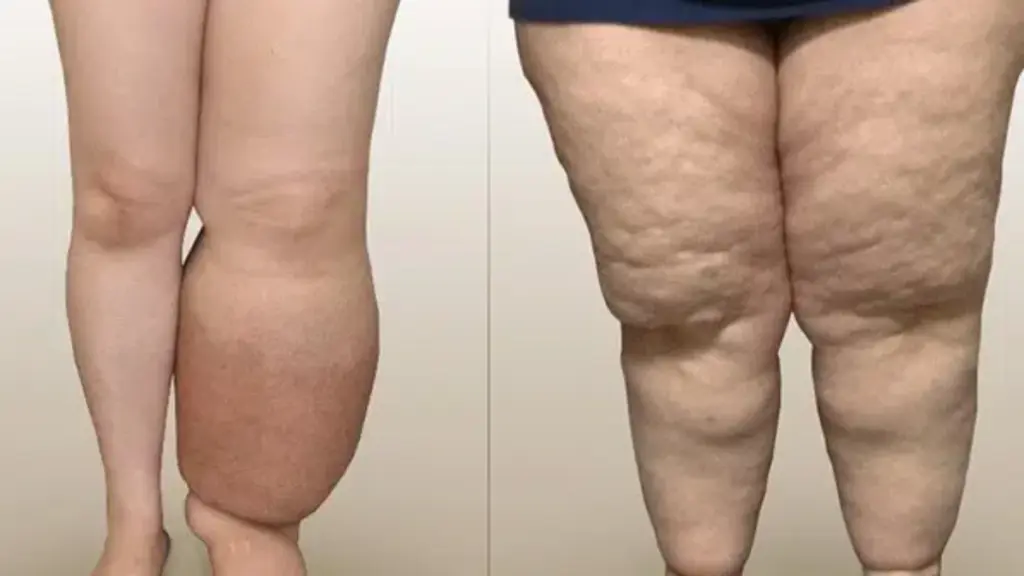
Excess subcutaneous fat and chronic low-grade inflammation in lipedema push toward venous stasis. Fat presses down on small vessels and increases tissue pressure, which impedes venous return to the heart from the legs. Chronic inflammation changes vessel walls and can increase clotting.
Valve failure and concomitant venous insufficiency are prevalent. When vein valves break, blood pools in the calf and thigh and the risk of clotting increases. Many lipedema patients already have swelling and pain at baseline, so early DVT signs, such as single-leg swelling or calf tenderness, may be overlooked or attributed to the preexisting condition.
Lipedema is a chronic condition that impedes recovery and establishes a higher baseline VTE risk than in nonbariatric patients. Anticipate more sluggish post-operative swelling resolution and more intensive follow-up requirements.
2. The Surgical Factor
Surgical trauma to subcutaneous tissue, particularly in large-volume liposuction, damages blood vessels and liberates clotting factors. Major blood loss and hematoma formation encourage thrombogenesis.
Procedures like abdominoplasty, thigh lifts, and large body contouring have increased postoperative VTE rates. Longer operative times and fixed intraoperative positions compound the problem by reducing venous return and worsening stasis.
Volume liposuction that removes large volumes of fat disrupts more vessels and leaves larger raw areas in which bleeding and clotting can occur. Meticulous technique and staged procedures reduce some of this risk.
3. The Patient Factor
Obesity and elevated BMI are potent indicators of post-op clots. Other risks include previous DVT, active cancer, hormone therapy, old age, and inherited clotting disorders.
Restricted movement post-op, underlying venous insufficiency and chronic pain in lipedema patients all contribute to risk. Personal risk scores and preoperative screening customize prophylaxis.
4. The Anesthesia Factor
General anesthesia and extended periods of immobility reduce circulation and increase the risk of DVT. Some anesthetic drugs impact vessel tone or coagulation pathways, tipping the balance for clotting.
Regional anesthesia could reduce VTE risk in some contexts. Select anesthesia considering the patient’s risk status, procedure duration, and post-operative recovery.
Pre-Surgery Assessment
Preoperative assessment identifies factors that raise venous thromboembolism (VTE) risk and shapes a clear plan to reduce blood clot chances after lipedema surgery. This includes a focused history, targeted testing, medication review, and use of risk tools so clinicians and patients can choose appropriate prophylaxis and perioperative actions.
Carefully evaluate for known clotting disorders, prior thromboembolism, and relevant comorbidity. Question them regarding previous DVT/PE, their family history for clotting, known thrombophilias, cancer, recent major trauma, or immobility. Remember that hospital stay, major surgery, knee or hip replacement, nursing home living, and leg paralysis all increase clot risk.
Perform baseline labs as indicated: complete blood count, coagulation studies, and specific thrombophilia panels when history suggests inherited or acquired clotting issues. A thorough consultation has to take place before surgery to evaluate condition and provide individualized advice.
Apply validated risk stratification tools to classify patients as low, moderate, or high VTE risk. Introduce objective scores that weigh age, BMI, surgery time, anesthesia type, and previous VTE. As an illustration, moderate-risk patients might need mechanical prophylaxis with short-duration pharmacologic agents.
High-risk patients tend to have therapeutic anticoagulation planning and closer monitoring. Record the score and intended prophylaxis in the chart so the team takes a consistent approach.
Carefully revisit medication history, anticoagulants, antiplatelets, hormonal therapy, and recent surgeries. Recognize patients on warfarin, DOACs, or LMWH and coordinate safe stop and start timing with surgeons and anesthetists. Remember to discontinue GLP-1 agonist injections at least two weeks prior to surgery to enhance anesthesia safety.
Address HRT or OCP and may recommend temporary discontinuation depending on overall risk. Provide a clear checklist of risk factors and perioperative actions to guide planning and patient counseling:
- Risk Factors
- Age
- Obesity
- Smoking status
- Chronic medical conditions (e.g., diabetes, hypertension)
- Previous surgical history
- Medication use (e.g., anticoagulants, steroids)
- Allergies
- Perioperative Actions
- Conduct a thorough medical history review
- Perform necessary laboratory tests
- Assess cardiovascular and respiratory status
- Optimize medical conditions pre-surgery
- Provide patient education on the surgery and recovery process
- Obtain informed consent
- Plan for postoperative care and follow-up
- Previous DVT/PE or thrombophilia — consider hematology consult and personalized anticoagulation.
- Significant comorbidities, such as cancer, heart disease, and obesity, increase VTE risk and might alter prophylaxis.
- Recent surgery or trauma within 3 months increases risk. Postpone elective procedures if possible.
- Medications: Anticoagulants, antiplatelets, GLP-1 agents, hormone therapy — adjust timing.
- Mobility status: limited walking or paralysis. Use mechanical prophylaxis and encourage frequent ambulation.
- Social factors: nursing home residence or limited postoperative support. Plan for extended monitoring.
Emphasize prehab and behavioral steps: start walking often during the day even for short distances and consider a six-week preoperative period to build a relationship with a certified therapist for drainage, muscle work, and gait training.
Educate on clot symptoms: one-leg swelling, calf pain, chest pain, shortness of breath, and rapid heart rate so they seek prompt care.
Proactive Prevention
Proactive prevention emphasizes layered strategies to reduce VTE risk post-lipedema surgery. Mechanical, medication, movement, and local protocols work in concert. Here are concrete roles for clinical teams and patients to help make prevention actionable and reliable.
Surgeon’s Role
Surgeons must evaluate VTE risk prior to surgery, applying validated tools and clinical judgment to determine the need for prophylaxis. Customize anticoagulant type and dose to body weight, kidney function, and bleeding risk. For instance, enoxaparin 40 mg subcutaneously daily may be appropriate in many patients, whereas higher weight individuals might require weight-based dosing or dalteparin alternatives.
Plan operative time and technique to reduce risk. Shorter procedures, staged surgeries, careful coagulation control, and precise tissue handling all cut bleeding and inflammatory responses that can promote clot formation. Work with anesthesia to employ regional blocks where feasible and safely manage perioperative hemodynamics that promote perfusion.
For patients with previous DVT, known thrombophilia or complicated histories, consult hematology early to direct extended prophylaxis or laboratory monitoring. Instruct patients explicitly on potential clot symptoms, such as calf pain, unilateral swelling, acute onset chest pain, or shortness of breath, and give written guidance for action if symptoms develop.
Last, adhere to local hospital and society guidelines for consistency. Audit outcomes and adjust practice when new evidence or institutional rules evolve.
Patient’s Role
Patients need to give a full medical history: past DVT, family clotting disorders, hormone therapy, smoking, and all over-the-counter supplements that affect bleeding. This allows the team to select effective prevention.
Wear compression garments as directed, usually graduated compression stockings 20 to 30 mmHg or higher if recommended, and leave them on during the daytime for the prescribed duration, removing only to shower unless otherwise instructed. If you take blood thinners, take them precisely as directed. Missed doses compromise your protection and raise the risk.
If injections are required, receive demonstration and practice technique prior to leaving the clinic. Start moving immediately once the surgical team clears you. Short walks around the room, ankle pumps, and heel slides promote calf muscle pump action and minimize venous stasis.
Don’t take long car rides or flights early after surgery. When travel is unavoidable, split trips into small chunks with walking and calf exercises every hour.
- Be on the lookout for leg swelling, redness, or calf tenderness and report these immediately.
- Report sudden chest pain, shortness of breath, or rapid heartbeat immediately.
- Reach out to your surgeons if you experience any unexpected bleeding while on blood thinners.
- Keep follow‑up appointments for wound checks and medication review.
Post-Surgery Vigilance
Recovering from lipedema surgery demands vigilance because the initial post-surgical window is associated with a heightened risk of blood clots, including deep vein thrombosis (DVT) and pulmonary embolism (PE). Watch your patients for early complications, and use transparent, reproducible screening to detect changes fast.
Routine evaluation, serious prevention, and fast response are key to reducing risk and saving lives.
Early Mobilization
Just getting out of bed and walking as soon as possible helps move blood through the legs and break venous stasis. Getting you up and walking on the day of surgery or after when clinically indicated helps to minimize clot risk. Our expert physiotherapy staff can direct safe steps and exercises.
Regular short walks of five to ten minutes every one to two hours during waking hours maintain circulation and avoid pooling in the calves.
- Sit on the edge of the bed, dangle your feet, and perform ankle pumps for two minutes.
- Stand with assistance and walk for 5 to 10 minutes every 1 to 2 hours.
- Advance to supervised corridor walks twice a day, increasing distance daily.
- Perform simple leg-strengthening exercises such as heel raises and quadriceps sets with 10 to 15 repetitions.
- Avoid stair climbing until cleared by surgical team.
Don’t sit or lie down for extended stretches, especially during the initial days after surgery. As smoking raises DVT and PE risk, be sure to urge your patient to quit before and after surgery to support your mobilization efforts.
Compression Use
Don’t forget to wear compression stockings or garments around the clock as instructed. Good compression keeps blood from pooling in the legs and reduces the risk of clot formation. Clinical-grade stockings with measured pressure are better than arbitrary wraps any day.
Check fit: stockings should feel snug but not painful, and the skin under the cuff should be examined daily for redness, cuts, or pressure marks. Cycle shirts so they can be washed and dried without being left empty. A normal regimen is two pairs switched out each day so one can be washed.
For patients with friable skin, place silicone or fabric liners beneath stockings and examine skin twice daily. If ulcers, numbness, or severe pain occur, undress and have it checked.
Warning Signs
Keep a record of any new or worsening symptoms. It will help diagnosis and accelerate treatment. Early detection saves lives. Imaging studies, like CT pulmonary angiography or V/Q scans for PE, and duplex ultrasound for DVT in the legs are crucial.
- Unilateral leg swelling
- Redness or warmth over a calf or thigh
- Severe, new leg pain
- Chest pain that worsens with breathing
- Sudden shortness of breath or rapid breathing
- Lightheadedness or fainting
If any of these signs occur, act immediately: contact the surgical team or emergency services for assessment and possible imaging. Timely intervention, often including anticoagulation and imaging, can prevent fatal outcomes.
The Lymphatic Connection
Lipedema frequently occurs in combination with lymphedema and that combo alters the way the body manages fluid and blood flow in the legs. Lipedema is a progressive disease characterized by disproportionate fat accumulation in the hips, thighs, and lower extremities, and the majority of individuals with lipedema exhibit lymphatic dysfunction. The venous and lymphatic systems are closely linked: veins return blood to the heart while lymphatics remove excess fluid, proteins, and waste.
When lymph flow is compromised, interstitial pressure increases, tissue swells, and the equilibrium that assists veins in clearing blood is disrupted. That combo puts you at risk for post-surgical complications, such as venous thromboembolism (VTE). Lymphatic dysfunction alters the appearance of swelling and the potential for clots to develop deep. Elevated interstitial pressure renders legs more tense and less compressible.
This masks the traditional DVT signs such as soft, pitting swelling that physicians anticipate, complicating diagnosis. Swollen adipose tissue in lipedema can conceal local temperature or tenderness, and Doppler ultrasound is less accurate when tissues are only compressible at very high pressures. Research shows a concerning link: a Vascular Medicine study reported VTE prevalence of 0.6% in patients with lipedema versus 0.4% in those without.
Although those numbers are small, they indicate an elevated baseline risk that is relevant once you add surgery and immobilization. If you treat venous problems first, you can decrease swelling, enhance circulation, and help reduce pain. Treating chronic venous insufficiency with compression, venous ablation, or lifestyle interventions can improve the safety and speed of recovery from future lipedema surgery.
Enhanced venous flow decreases lymphatic overload, allowing the system to flush fluids and decrease DVT risk. Incorporate post-op lymphatic drainage techniques and therapies. Manual lymphatic drainage by trained therapists aids fluid out of edematous tissues and can alleviate interstitial pressure.
Pneumatic compression devices and graduated compression garments assist both lymph and vein return when fitted and worn properly. Exercise that elevates the calf pump, such as walking and water therapy, encourages venous flow and facilitates lymph movement. Early post-op movement, along with specific lymphatic treatment, reduces clot risk as it promotes wound and tissue repair.
Monitor closely: regular duplex scans, symptom checks, and a low threshold for testing improve detection of VTE in this complex group. Such awareness and early intervention mitigate the risks of serious complications and help patients recover with improved long-term leg health.
Diagnosis and Treatment
Diagnosis is the first step toward managing blood clot risk post-lipedema surgery. Deep Vein Thrombosis (DVT) creates clots in deep veins, typically in the legs, and can present like post-operative swelling from lipedema or lymphedema. Patients with lipedema or lymphedema have approximately a 50% higher risk of venous thromboembolism (VTE), so physicians need to differentiate swelling caused by adipose and lymphatic changes from actual clot-related swelling.
Misdiagnosis results in mistreatment, so careful clinical diagnosis is critical. A focused physical examination looks for unilateral swelling, localized tenderness, warmth, skin discoloration, and calf pain on dorsiflexion. These signs are suggestive but not definitive. Duplex ultrasound is the standard imaging test for DVT. It combines real-time B-mode imaging with Doppler flow assessment to show vein compressibility and blood flow.
Ultrasound can identify clot location, size, and whether the clot extends into proximal veins, which changes management. Use ultrasound early when clinical suspicion is moderate or high, and repeat imaging if symptoms change or if anticoagulation is started and follow-up is needed.
Diagnosis and Treatment Options
| Treatment category | Typical drugs or devices | When used | Notes |
|---|---|---|---|
| Anticoagulation | Low-molecular-weight heparin (LMWH), direct oral anticoagulants (DOACs), warfarin | Proven DVT or high suspicion | Choice depends on kidney function, bleeding risk, surgery timing |
| Thrombolysis / Thrombectomy | Tissue plasminogen activator (tPA), catheter-directed thrombectomy | Extensive proximal DVT, limb threat | Higher bleed risk; used selectively |
| Compression therapy | Graduated compression stockings (20–40 mmHg) | After acute phase, for chronic symptoms | Can be uncomfortable initially; comfort often improves with use |
| Mechanical prophylaxis | Intermittent pneumatic compression devices | Perioperative immobilization | Useful when anticoagulation is contraindicated |
| Supportive care | Analgesics, early mobilization, physical therapy | Adjunct to medical therapy | Pain meds help patients exercise comfortably |
Treatment has to be tailored. The position of the clot (calf versus proximal veins), patient health, bleeding risk, and symptom severity inform drug selection and length of treatment. For recent major surgery, we need to carefully time anticoagulation in the context of the bleeding risk compared to the risk of clot.
Low molecular weight heparin is often used when safe. Direct oral anticoagulants are convenient for longer-term outpatient use but require evaluation of renal function. After treatment, consistent follow-up and monitoring are essential to confirm clot resolution and to avoid recurrence.
Repeat duplex ultrasound may be arranged at 1 to 2 weeks and again at 3 months in certain situations. Encourage postoperative prevention: avoid long periods of immobility, use compression stockings as tolerated, and start gentle exercises such as ankle rotations, calf squeezes, and leg lifts as soon as advised.
Consider risk factors such as prolonged surgical duration, immobilization, and pre-existing lipedema or lymphedema in your prevention strategy.
Conclusion
There is a real but manageable blood clot risk after lipedema surgery. Strict pre-op screening, wise intra-operative measures and consistent post-op care slashed the risk. Employ measured compression, gentle movement soon and the proper blood-thinning regimen for your health. Be on alert for noticeable swelling that feels distinct, sharp chest pain, sudden breathlessness, or a warm, tender limb. Quick scans and blood tests detect clots early. Lymph health matters as well. Meticulous technique and expert aftercare safeguard veins and lymph vessels alike.
I would encourage you to select a surgeon that measures outcomes and discusses a personalized plan. Discuss the history of clots, medications, and mobility restrictions. If you like, consult for a second opinion to determine the safest route forward.
Frequently Asked Questions
What is the overall risk of blood clots after lipedema surgery?
It’s low but real. The right evaluation, technique, and prevention make it minimal. Talk to your surgeon about your personal risk factors to obtain more specific numbers.
Which factors increase blood clot risk after lipedema surgery?
Age, obesity, smoking, hormonal therapy, history of clots, prolonged immobility and some medical conditions increase that risk. Your surgical and anesthetic plan will take these into account.
What pre-surgery tests assess clotting risk?
They typically include medical history, physical exam, and blood tests, such as coagulation panels. Sometimes, ultrasound or specialist review is recommended for high-risk patients.
How is blood clot risk prevented during and after surgery?
Prevention involves compression stockings, early ambulation, anticoagulants when appropriate, hydration, and mechanical devices such as compression pumps in the hospital. These actions reduce clot development.
What symptoms suggest a blood clot after lipedema surgery?
Be on the lookout for leg pain, swelling, warmth, redness, shortness of breath, chest pain, or a sudden rapid heartbeat. Get immediate medical attention if you have these symptoms.
How are post-surgical blood clots diagnosed and treated?
Diagnosis employs ultrasound for limb clots and CT pulmonary angiography for the lungs. Treatment is usually anticoagulant drugs, occasional hospitalization, or surgery in severe cases.
Does lymphatic damage from lipedema surgery increase clot risk?
Lymphatic disruption, while not causing blood clots directly, can exacerbate swelling and impede circulation. Advanced surgical technique and postoperative lymphatic care decrease complications.
Think you might have lipedema?
Book a free 30-minute video consultation with our team. We’ll review your symptoms and give you an honest stage and plan — no pressure, no obligation.
Book Free Consult →