
Is It Late for Surgery at Lipedema Stages 3 and 4
Key Takeaways
- Stage 4 lipedema is the most severe, with extensive fat deposits and skin changes, recurrent secondary lymphedema, and significant mobility impairments and limitations on activities of daily living. Anticipate even more complicated treatment requirements and comprehensive preoperative evaluation.
- Surgical candidacy requires comprehensive medical evaluation, stable overall health, realistic expectations, and awareness of specific contraindications such as uncontrolled comorbidities or active infections.
- Treatment options include specialized liposuction techniques, excisional procedures, and staged surgeries, which all provide symptom relief and enhance mobility. However, these options come with heightened risk of complications such as wound healing difficulties and require meticulous anesthesia management.
- Recovery usually brings weeks to months of swelling, bruising, and limited mobility, along with crucial aftercare measures like compression therapy, physical rehabilitation, and close watch for complications.
- Surgery can significantly improve symptoms, but long-term management is still needed after surgery and should combine compression, exercise, manual lymphatic drainage, psychological support, and adaptive devices to maintain function and quality of life.
- Financial planning is key, too. Stage 4 lipedema surgery frequently comes with much more than just the procedure itself, including hospital fees, travel expenses, compression garments, and ongoing follow-up care. Insurance coverage may be slim, so confirm reimbursement requirements as soon as possible.
Lipedema surgery for stage 4 addresses advanced lipedema-related excess fat, swelling, and skin changes through surgical intervention. It frequently combines liposuction and skin removal to alleviate pain, increase mobility, and decrease the chance of infection.
Candidates generally have long-standing tissue changes and diminished responsiveness to conservative care. Recovery is slow and can take weeks, with compression and physical therapy often necessary.
The body describes methods, hazards, and repair measures.
Understanding Stage 4
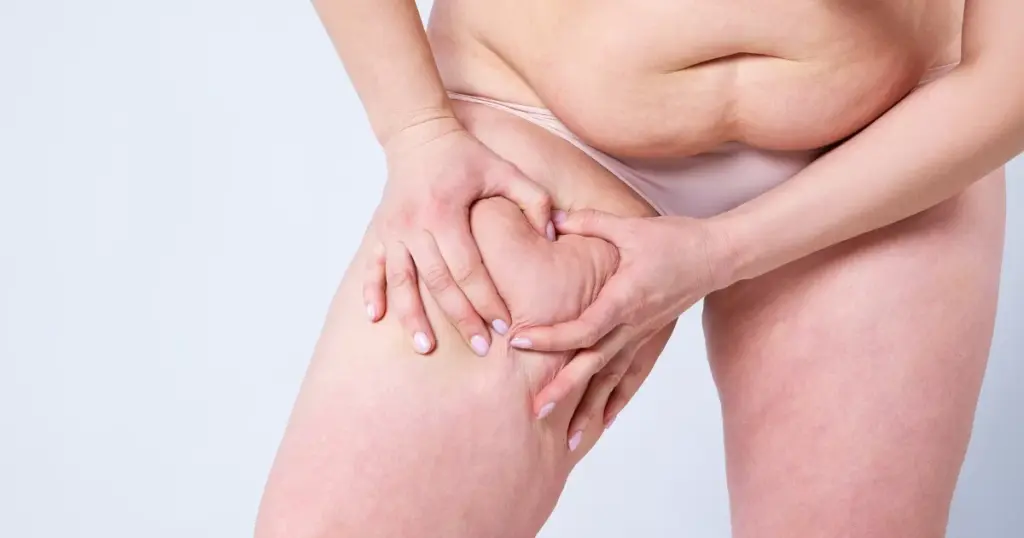
At stage 4, the most severe, lipedema is accompanied by hard, asymmetric fat deposits in addition to significant difficulty walking. Skin sometimes feels tougher due to chronic swelling and inflammation. Sheets and rolls of leftover fat and skin start to crystallize and take shape.
Fibrosclerosis, which is tissue becoming tough and fibrous, can develop and elephantiasis-like changes sometimes occur. Some clinicians reject the hard labeling of a fourth stage, pointing out the lymphatic system may be impacted during any stage. Nonetheless, numerous sources refer to “stage 4” or “lipolymphedema” to define the combination of lipedema with lymphedema when lymph fluid drainage becomes overtly implicated.
Common symptoms in stage 4 are severe limb enlargement, prominent skin wrinkling and recurrent secondary lymphedema. Patients describe pain, either constant or touch-related, and bruising continues to be frequent. The tissue tends to be nodular or rope-like, and swelling may not completely recede with elevation or compression.
Recurrent infections like cellulitis are more common as lymphatic compromise decreases local immune function. Range of motion contracts. Climbing stairs, sitting in tight theater seats, or standing for long periods becomes difficult. Daily life can change. Work that once was routine becomes tiring, travel may need more planning, and simple self-care can demand more time and help.
Effect on daily living is broad. Pain and stiffness restrict the ability to exercise in multiple ways, which further impedes weight control and muscle maintenance. Mobility aids or custom clothing might be required. Emotional strain results from body image changes and social constraints.
Health risks rise. Repeated infections, skin breakdown, and reduced circulation can complicate other conditions like diabetes or venous disease. Care must be multidisciplinary. Pain control, skin care, physiotherapy, and lymphatic management work together.
Differences between stage 4 and earlier stages:
- Physical: Far greater limb volume and fixed fat and skin masses versus softer, more compressible fat in stages 1 to 3.
- Skin shows hardening, nodules, and elephantiasis-like changes compared to smoother or mildly uneven skin earlier.
- Lymphatics: frequent lymphedema and compromised drainage compared to usually intact lymph flow in earlier stages.
- Function: Major mobility loss and need for aids versus mild to moderate activity limits earlier.
- Complications include a higher infection risk and fibrosclerosis compared to fewer complications in early stages.
- Treatment complexity: Surgery and combined therapies are often needed, while conservative measures may suffice earlier.
Treatment at this stage is more complex and can involve liposuction, lymphatic care, compression, and rehab. Results depend on timely, coordinated care.
Surgical Candidacy
Surgical candidacy for stage 4 lipedema is based on defined clinical criteria, targeted evaluations and prudent risk analysis. For advanced disease, the focus should be on minimizing pain, swelling and loss of mobility without causing detriment. Lipedema reduction surgery, typically liposuction modified for the condition, has demonstrated benefits in symptoms, limb volume, and quality of life. It must be a personal, data-based decision.
Identify key criteria for determining if a patient with stage 4 lipedema is eligible for surgery
Candidacy begins with an established diagnosis of lipedema and evidence that conservative care, including compression, manual lymphatic drainage, weight management, physiotherapy, and so forth, has failed. While ideal candidates tend to be stage 2 or 3 patients, stage 4 patients can be suitable when fat deposition, fibrosis, and secondary lymphedema result in substantial pain, repeated infections, or limited range of motion.
Surgical candidates should have definitive surgical objectives such as decreased limb volume, decreased pain, or increased ambulation. Expectation setting is crucial; many patients need 2 to 4 procedures to reach desired results. A higher BMI isn’t an automatic disqualifier, but it demands more elaborate planning, potential staging of surgeries, and candid conversations about achievable results.
Outline necessary preoperative assessments, including medical history and comorbidity evaluation
Preoperative work-up must be comprehensive. Take a full medical history including prior surgeries, infections, bleeding disorders, cardiovascular disease, diabetes, smoking, and medications such as anticoagulants. Assess comorbidities that raise surgical risk.
Uncontrolled diabetes, active cardiac or pulmonary disease, severe venous insufficiency, and morbid obesity may change timing or technique. Perform baseline labs including CBC, coagulation profile, and metabolic panel, and imaging when indicated. Use ultrasound for vascular mapping, lymphoscintigraphy if lymphedema is suspected, and body composition measures for planning.
Functional assessment of mobility and pain scales gives baseline data to measure postoperative benefit. Discuss anesthesia risks and arrange cardiopulmonary clearance if needed.
Stress the importance of stable overall health and realistic expectations before proceeding
Stable health lowers complications. Smoking cessation, good glycemic control, and stable weight for a few months reduce perioperative risks. Mental health screening is important.
Patients need to know that surgery decreases disease burden but is not a cure for the underlying condition or protection from future fat accumulation in other locations. For example, a patient with controlled type 2 diabetes and a BMI of 35 may proceed with staged liposuction after metabolic optimization. A patient with uncontrolled heart failure should postpone.
A subset of patients requires ongoing compression and therapy post-surgery.
Checklist of contraindications with comprehensive description
Absolute contraindications include active infection at the operative site, untreated coagulopathy, and unstable cardiac or respiratory disease. Relative contraindications consist of uncontrolled diabetes, active smoking, a BMI above the individualized threshold without a weight plan, severe peripheral vascular disease, a poor wound healing history, an inability to comply with postoperative care or compression garments, and unmanaged psychiatric illness that impairs consent or expectations.
All of these need to be documented and, where possible, optimized prior to surgery.
Surgical Interventions
Surgical options for stage 4 lipedema are designed to minimize excess fibrotic fat, alleviate pain, and reclaim function. Options vary from focused liposuction to precise removal of sizable, dense masses. Each approach has different goals; some focus on symptom relief and function, while others add contour improvement.
Advantages include quantifiable limb volume reduction, reduced bruising, and improved mobility, though advanced disease brings more risk of wound issues and prolonged recuperation.
1. Liposuction Techniques
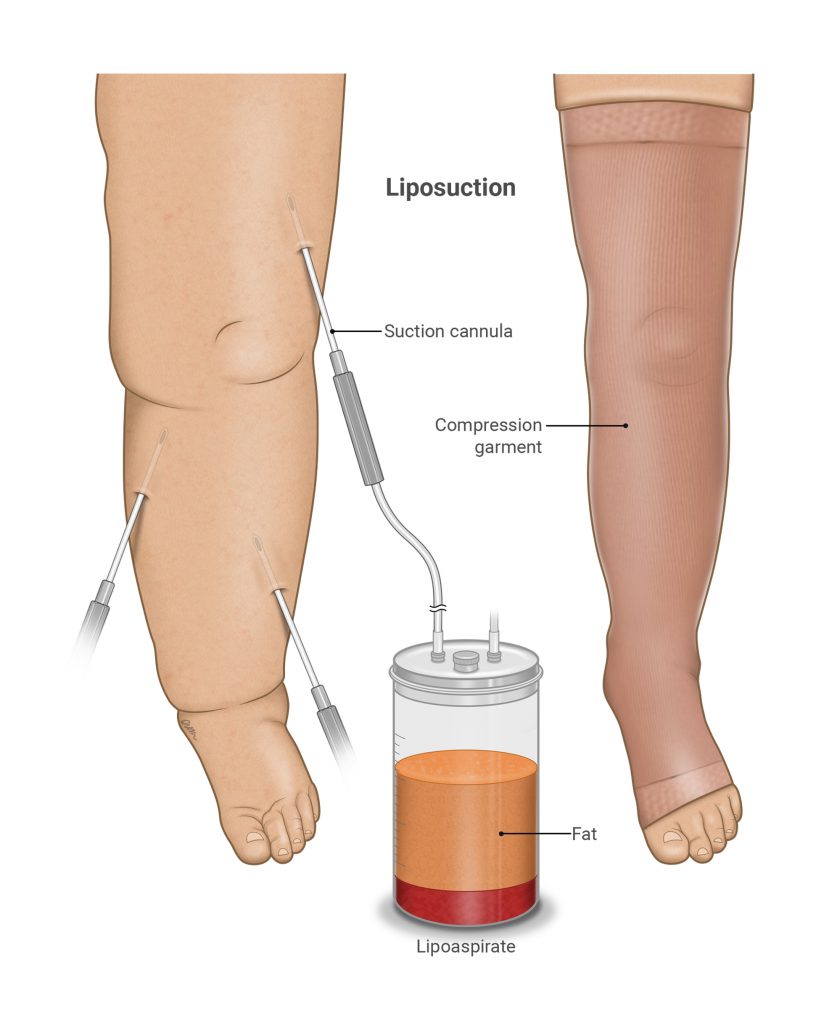
Specialized liposuction approaches to lipedema include tumescent liposuction and water-assisted liposuction (WAL). Tumescent liposuction employs high volumes of dilute local anesthetic and epinephrine to lessen bleeding and preserve tissues. Water-assisted liposuction, with its fan-shaped water jet, loosens fat prior to aspiration and can be gentler on connective tissue.
Traditional suction-assisted liposuction without these modifications is not appropriate for stage 4 because the fat is fibrotic and adherent. Surgical interventions hard, nodular tissue resists simple suction and risks greater trauma to lymphatics.
Benefits of these sophisticated methods are reduced tissue trauma, improved lymphatic preservation, and frequently reduced blood loss. Research demonstrates median thigh circumference reductions of approximately 6 plus or minus 1.6 cm at 24 months and mean thigh reductions of about 8 cm and calf reductions in the vicinity of 4 cm.
Symptoms: Many patients experienced less bruising after surgery. In one series, it fell from 90 percent pre-op to 43 percent post-op. Surgeon experience counts. The best outcomes are from teams experienced with lipedema-patterned, staged planning and post-op care. Poor technique increases complication risks and decreases long-term reward.
2. Excisional Procedures
Surgical interventions excisional surgery takes out big, fibrotic masses that liposuction cannot touch. It remains a direct cut-and-remove tactic for when tissue is massively indurated or creates functional obstruction.
Indications are localized, massive deposits, recurrent skin infections or when contour cannot be restored by liposuction alone. Excision can deliver dramatic contour alteration and relieve pain associated with heavy tissue.
However, there are risks to wound-healing delays, infection, and significant scarring. Healing is slower in areas of poor perfusion or lymphatic compromise. Clear pre-op counseling is critical.
3. Anesthesia Considerations
Anesthesia options range from local tumescent only to regional blocks to general. Procedure length, patient comorbidity, and extent of tissue removal affect selection.
Longer, staged, or combined excision-liposuction procedures may necessitate general anesthesia and increased monitoring. Careful attention to fluid balance and methemoglobinemia risk is crucial. Temporary methemoglobinemia is reported commonly in lipedema liposuction cases.
Surgical interventions include ways to minimize anesthesia risk by keeping operative time as low as possible, staging procedures, using regional blocks where applicable, and ensuring close perioperative monitoring.
4. Staging Surgeries
Staging breaks up treatment into multiple sessions to lower risk. Usual gaps are six to twelve weeks between major sessions to allow wound healing and reassessment.
Staging decreases blood loss per session, reduces anesthesia time, and can improve ultimate shaping. A common plan is to address the lower limb on one side, then the other side, followed by contour touch-ups several months later.
5. Realistic Outcomes
Anticipate partial but significant improvements. Cure is rare, but many experience less pain, smaller limbs, and improved mobility. Eighty-six percent saw a marked improvement in mobility in one study.
Some required less combined decongestive therapy. Sixty percent lowered sessions and thirty percent ceased CDT. Those long-term benefits can last for years. Long-term care, compression, and therapy are still often required.
The Recovery Journey
Recovery after stage 4 lipedema surgery is a predictable yet personal journey spanning physical healing, practical aftercare, and emotional adjustment. Early days are all about wound care and pain management. Weeks and months involve swelling subsiding, mobility increasing, and a slow return to activity.
Anticipate roller coasters because every surgery stage and every body reacts uniquely.
Typical recovery timeline
The initial 72 hours you need to be watchful for bleeding, pain and drainage. The majority of patients are discharged from the hospital within 1 to 3 days based on the extent of liposuction and comorbidities.
Roughly two weeks back to desk work if you can get around and dressings can be tolerated. By 4 to 6 weeks, light exercise and low-impact activity return with surgeon clearance.
Extreme swelling typically resolves by 6 to 8 weeks, but final contour and softness of tissue can take a few months. If several stages of surgery are anticipated, the subsequent ones tend to feel easier; patients know what to expect and have recovered once learning how to recover, so to speak.
Common postoperative symptoms
Anticipate swelling, bruising, tenderness and numbness in treated regions. Swelling typically continues to be its worst at 48 to 72 hours and can shift as the fluids settle.
Bruises last 2 to 4 weeks. Mild to moderate pain is typical and is controlled with the prescribed pain medications and anti-inflammatory protocol.
Temporary changes in sensation, like tingling or numb patches, are common and frequently improve over the course of months. Feeling tired and low energy is normal, especially with a healing body that is acclimating to lighter limbs.
Essential aftercare steps
Compression therapy is central. Wear prescribed garments full time for the first 2 to 6 weeks, then as advised for several months.
Compression controls swelling, decreases fat formation, shapes tissue and supports lymphatic flow. Manual lymphatic drainage (MLD) sessions, beginning just days to weeks post-op and continuing for months, are often recommended to accelerate fluid removal and relieve stiffness.
Sleep and rest are your priorities. Try to get to sleep when it is restorative and take short, frequent walks to stay loose and prevent blood clots.
Nutrition matters. Eat a balanced diet with adequate protein, vitamins and fluids to aid tissue repair. Physical rehab or guided physiotherapy is important to rebuild strength and gait.
Keep incision care strict. Clean as advised and report any unusual drainage.
Warning signs of complications
Seek immediate care for fever above 38°C, increasing redness or pain around incisions, heavy or pus-like drainage, sudden swelling on one side, shortness of breath, or chest pain.
Persistent high pain despite medication or signs of wound separation need urgent review. Early detection of infection, deep vein thrombosis, or lymphatic problems improves outcomes.
Beyond The Scalpel
Lipedema surgery for stage 4 is more than tissue removal. Surgery can decompress and relieve pain, but long-term results hinge on continued care. Stage 4 features massive nodularity, fibrosis, and large abnormal fat deposits that can alter skin texture and the shape of limbs. These changes can be both disfiguring and mentally tormenting.
Liposuction is not only cosmetic; it can be medicine for pain and mobility. Awake deep liposuction techniques are frequently safer and allow patients to be more involved during surgery. Recovery varies: some return to light activity the same day, while full recovery can take weeks to months.
Post-surgical lifetime management is crucial. Anti-inflammatory whole foods, lean protein, and controlled carbohydrates can help reduce secondary swelling and support tissue healing. Gentle low-impact activity like walking, cycling, and water therapy promotes lymph flow and muscle tone without stressing joints.
Compression wear aids in postoperative contour and reduces fluid build-up. Properly measured compression garments should be worn according to your clinician’s instructions and replaced as your body shape changes. These actions do not cure lipedema but reduce symptoms and extend surgical results.
Supportive therapies enhance function and life quality. Manual lymphatic drainage, administered by experienced therapists, can relieve swelling and pain and often accompanies compression. Strength, balance, and joint-protective physical therapy reduces injury risk and preserves mobility.
Psychological support is important; counseling or peer groups can address body image concerns and the chronic nature of the disease. Pain management plans encompass topical treatments, neuropathic pain agents, or referral to pain clinics when required.
Adaptive devices maintain independence and functioning. Compression donning aids, long-handled and seating aids decrease strain when dressing and grooming. A cane or walker may be required temporarily post surgery or during flare-ups.
Easy to implement home modifications such as non-slip mats, raised toilet seats, and low shelves prevent falls and save energy.
Design a customized care plan that connects these dots. A plan should record baseline limb measurements, realistic surgical goals, a post-op plan for follow-up and garment changes, a customized exercise and diet regime, as well as supportive services like lymphatic therapy and mental health support.
Reassess often. Lipedema advances in stages and the lymphatic system can be impacted at any time, so it’s important to stay fluid. Discuss expected liposuction outcomes honestly. It often provides long-lasting relief, but effectiveness varies by stage and tissue fibrosis.
Financial Realities
There are distinct financial realities around stage 4 lipedema surgery that impact treatment decisions, access, and future plans for care. Expenses do not stop at the operating room. Patients should anticipate charges for the surgical crew, operating location, sedation, and a number of aftercare offerings. Planning in advance minimizes surprises and allows you to balance the benefits with the anticipated financial stress.
Breakdown of typical costs
Hospital and surgeon fees differ from country to country and clinic to clinic, but can cost anywhere from a couple thousand dollars to tens of thousands of dollars per surgical session. Anesthesia and facility fees contribute a significant portion. Many stage 4 patients require large-volume or staged procedures, driving up single-case costs.
Pre-op imaging and lab tests add a few hundred to a few thousand more. Aftercare — wound-care supplies, physical therapy, lymphatic massage — can run hundreds to thousands over weeks to months. Compression garments are a must-have post-op and can run $100 to $400 each; multiple garments are not uncommon.
Specialist-center travel and accommodation add to the costs, particularly for patients who still have to cross regions or countries for seasoned surgeons. Lost income during recovery and time off work should factor in because recovery can take weeks and multiple procedures increase cumulative lost wages.
Insurance coverage and reimbursement
Insurance is hit or miss. Certain insurance policies deem lipedema surgery cosmetic and refuse claims. Other policies acknowledge functional benefit and approve treatment when adequate documentation is provided. They almost always want preauthorization, failure of conservative therapy, surgical notes, and proof that the surgery was medically necessary.
Reimbursement typically picks up just pieces of the bill, leaving you with significant out-of-pocket costs. Retain copies of all medical records, compression prescriptions, and conservative care logs to back up appeals. Anticipate denials. Appeals do go through but take time and documentation. Rates and rules vary by insurer and country, so check your policy before scheduling surgery.
Additional expenses and long-term considerations
Besides initial surgical expenses, patients often require additional surgeries. Research indicates an average of approximately two point three eight procedures for certain groups, compounding the costs. Maintenance care, including compression garments, custom clothing, occasional decongestive therapy, and check-ups, incurs regular expenses.
Financial stress might stem from diminished working capacity and lifestyle adaptations. Even with these burdens, numerous patients say the enhanced quality of life and pain reduction they experience offsets the cost. Think practical when deciding about travel, multiple pieces of clothing, follow-up imaging, and repeat procedures.
| Item | Typical cost (USD) |
|---|---|
| Single surgery (clinic-dependent) | 5,000–30,000 |
| Anesthesia & facility | 1,000–5,000 |
| Pre-op tests/imaging | 200–2,000 |
| Compression garments (each) | 100–400 |
| Lymphatic therapy sessions | 50–150 per session |
| Travel & lodging | Variable, 200–2,000+ |
Conclusion
Lipedema stage 4 imposes harsh boundaries on everyday living. Surgery may reduce pain, increase mobility and reduce excess tissue. Patients who choose surgery after thorough diagnostics and proper preparation typically experience superior outcomes. Liposuction cautiously decreases limb volume and improves clothing fit. Skin removal can repair deep folds and prevent skin infections. Recovery is a process. Anticipate weeks of downtime, follow-up care and compression. Physical rehab and consistent weight maintenance assist in maintaining gains. Prices and insurance differ, so be sure to plan ahead and obtain transparent quotes. Speak with a surgeon who understands lipedema and a therapist or coach for ongoing support. For next steps, request a clinic list or prep checklist.
Frequently Asked Questions
What defines stage 4 lipedema and how does it differ from earlier stages?
Stage 4 is characterized by large fat deposits, severe skin changes and functional limitations. Swelling is severe and can contain fibrosis, skin folds and secondary lymphedema. It is further progressed than the prior stages in severity and effect on mobility and daily life.
Am I a candidate for lipedema surgery at stage 4?
Most stage 4 patients are candidates, particularly if conservative care is unsuccessful. Candidacy depends on overall health, realistic expectations, and a specialist’s analysis of skin, fat distribution, and lymphatic status.
Which surgical options are available for stage 4 lipedema?
Popular variants are water-assisted liposuction, tumescent liposuction, and lymph-sparing techniques. Several procedures might be required to treat volume, fibrosis, and contour. A trained surgeon will suggest what is best.
What are the typical risks and benefits of surgery for stage 4?
Advantages of stage 4 lipedema surgery are less pain, increased mobility, and enhanced limb contouring. Risks are infection, scarring, asymmetry, and potential exacerbation of lymphedema if lymph vessels are injured. Selecting an experienced, lymph-sparing surgeon minimizes those risks.
How long is recovery after lipedema surgery at stage 4?
Basic recovery is 1 to 4 weeks. Complete healing and final results may take 6 to 12 months. Compression garments, slow resumption of exercise, and follow-up care are crucial for optimal results.
Will surgery cure lipedema permanently?
Surgery debulks fat and symptoms, but doesn’t cure the disease. New fat can appear if weight fluctuations or hormonal causes continue. Continuous treatment, including compression, physical therapy, and nutrition, promotes sustained results.
How much does stage 4 lipedema surgery typically cost and is it covered by insurance?
Prices differ significantly between countries, surgeons, and procedure complexity. Most insurers deem lipedema cosmetic, though coverage is rising with documented lymphedema or functional impairment. Obtain detailed quotes and insurance preauthorization if possible.
Think you might have lipedema?
Book a free 30-minute video consultation with our team. We’ll review your symptoms and give you an honest stage and plan — no pressure, no obligation.
Book Free Consult →